
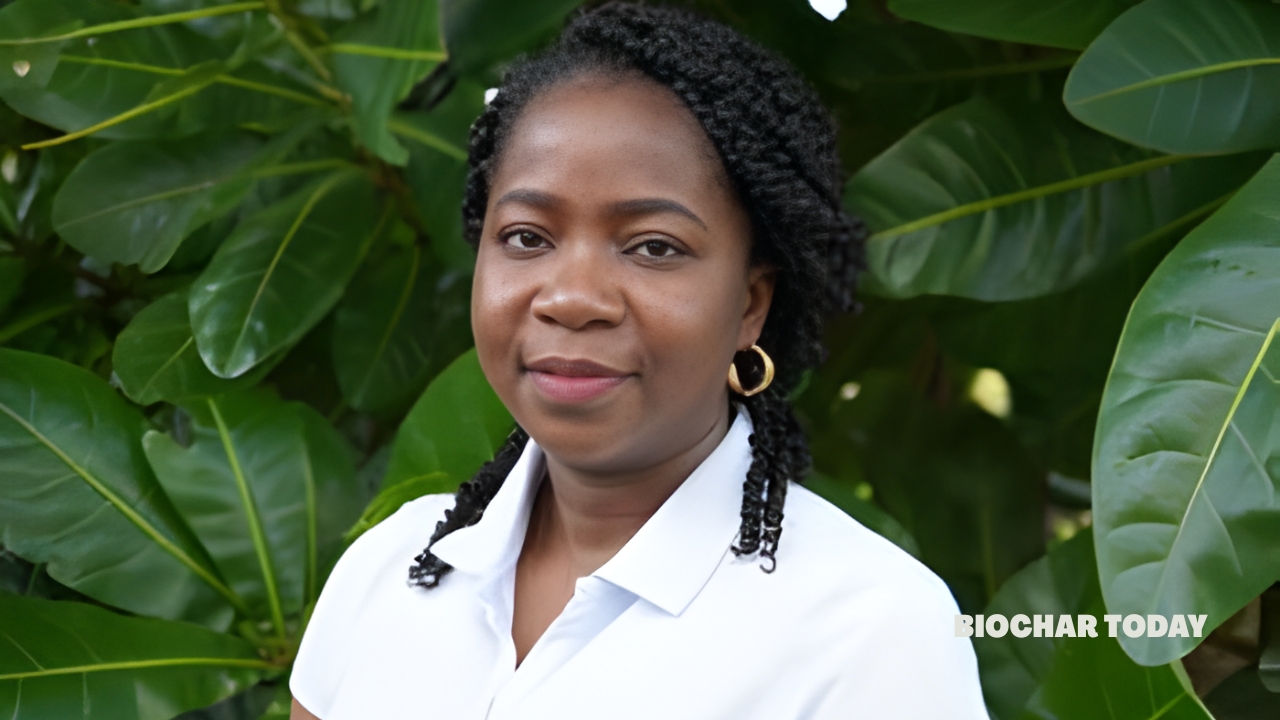
The University of Guam (UOG) College of Natural and Applied Sciences has scheduled a Soil Field Day to present ongoing research into sustainable agricultural amendments. Located in the United States territory of Guam, this event features Dr. Christianah Oladoye, a land grant scientist who will lead demonstrations on the application of biocharBiochar is a carbon-rich material created from biomass decomposition in low-oxygen conditions. It has important applications in environmental remediation, soil improvement, agriculture, carbon sequestration, energy storage, and sustainable materials, promoting efficiency and reducing waste in various contexts while addressing climate change challenges. More and compost. The workshop will take place from 4 p.m. to 6 p.m. on Friday, Feb. 27, at UOG’s Yigo Research & Education Center. By hosting this public session, the university aims to transition laboratory findings into practical, field-based knowledge for local producers and stakeholders.
A primary challenge addressed by this research is the degradation of soil quality, which complicates consistent agricultural productivity in the region. Local growers often contend with nutrient-poor soils that lack the structural integrity to retain moisture and essential minerals effectively. Such conditions frequently lead to increased operational costs and a dependency on synthetic inputs, which can be economically burdensome for island-based agricultural systems. The upcoming demonstration focuses on addressing these vulnerabilities by identifying reliable, long-term methods for stabilizing the soil matrix and improving its biological health.
The solution proposed by the University of Guam involves the strategic use of biochar as a soil conditioner. During the scheduled event, Dr. Oladoye and her team will explain the technical processes of incorporating biochar into existing soil profiles to create a more resilient growing medium. The methodology emphasizes the synergy between biochar and organic compost, leveraging the high surface area of the char to host beneficial microbes and trap nutrients. This approach provides a localized strategy for carbon sequestration while simultaneously building a “sponge-like” soil structure that is better equipped to support intensive crop cultivation.
The anticipated outcomes of this initiative include the dissemination of data-driven results to the Guam farming community, fostering the adoption of more sustainable land-management practices. By observing the differences between experimental plots, attendees will gain an understanding of how these amendments influence plant vigor and soil moisture retention. Ultimately, the work performed by the University of Guam serves to establish a technical baseline for soil restoration in the Western Pacific. This transfer of knowledge is expected to improve regional food security and provide a scalable model for soil health management in similar tropical environments.


Leave a Reply