
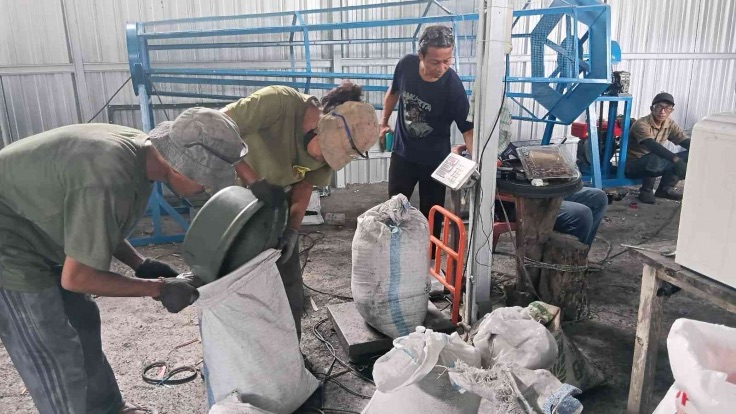
Researchers at Universitas Muhammadiyah Parepare (UMPAR) in South Sulawesi, Indonesia, have emerged as pioneers in the development of slow-release chemical fertilizers integrated with a biocharBiochar is a carbon-rich material created from biomass decomposition in low-oxygen conditions. It has important applications in environmental remediation, soil improvement, agriculture, carbon sequestration, energy storage, and sustainable materials, promoting efficiency and reducing waste in various contexts while addressing climate change challenges. More matrix. This specific initiative, supported by the Indonesian Ministry of Education, Culture, Research, and Technology, positions UMPAR as a regional leader in technical agricultural innovation. The project focuses on optimizing chemical nutrient delivery systems to enhance soil health and crop productivity within the regional agricultural sector.
The primary challenge addressed by this research team is the systemic inefficiency and environmental cost associated with conventional chemical fertilizers. Farmers in South Sulawesi frequently encounter high input costs and soil degradation resulting from the rapid leachingLeaching is the process where nutrients are dissolved and carried away from the soil by water. This can lead to nutrient depletion and environmental pollution. Biochar can help reduce leaching by improving nutrient retention in the soil. More and volatilization of standard fertilizers. These traditional application methods often lead to significant chemical runoff, which contaminates local water sources and fails to provide the sustained nourishment required by crops throughout their entire growth cycles.
To mitigate these persistent issues, Dr. Andi Aladin and his colleagues at UMPAR developed a slow-release fertilizer (SRF) that utilizes biochar as a stabilizing carrier. By embedding essential chemical nutrients within the complex, porous structure of the biochar, the team created a medium that facilitates gradual nutrient release. This technical mechanism ensures that fertilizers remain available in the plant root zone for significantly longer periods, thereby reducing the frequency of application and minimizing the environmental footprint of standard fertilization practices.
The implementation of this technology has demonstrated clear potential for improving agricultural sustainability across the region. The biochar-based fertilizer improves nutrient uptake efficiency, leading to more stabilized crop yields while concurrently lowering the total volume of chemical inputs required by producers. Furthermore, the integration of biochar provides secondary benefits to soil structure and long-term carbon sequestration, offering a dual-purpose solution for both agricultural productivity and environmental stewardship.


Leave a Reply