
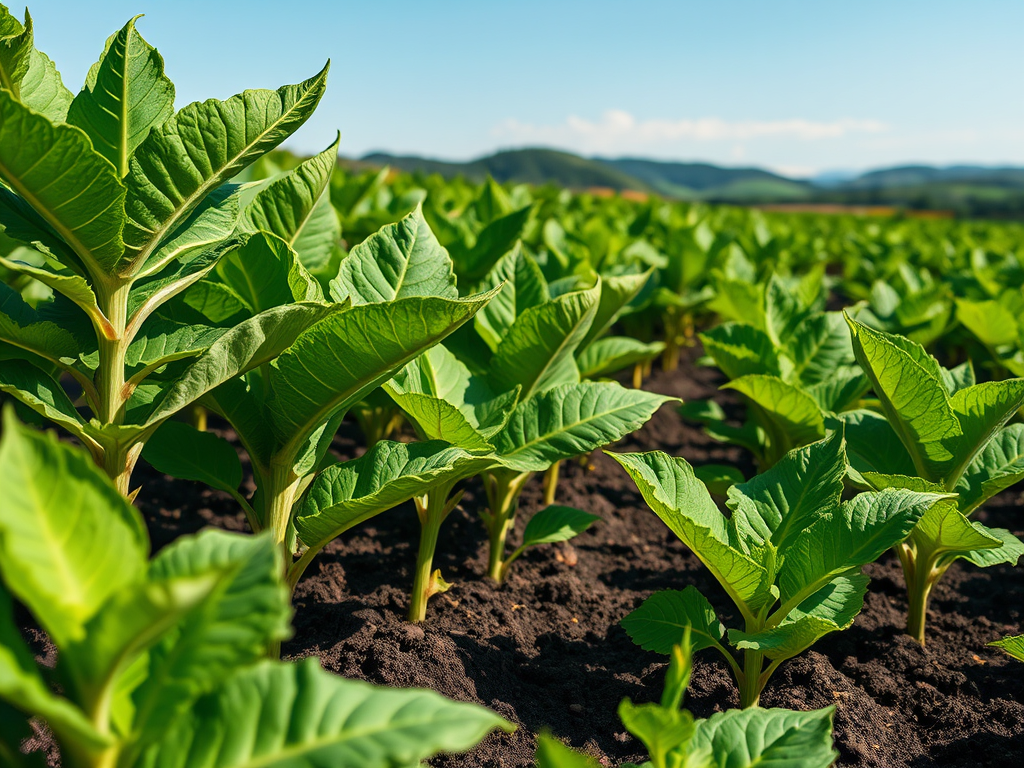
Heavy metal contamination poses significant risks to agriculture, human health, and ecosystems. Tobacco (Nicotiana tabacum L.), a globally cultivated crop, is particularly susceptible to heavy metals like cadmium (Cd), which disrupt plant development, hinder water absorption, and impair nutrient uptake. This comprehensive study published in Scientifica highlights biochar—a carbon-rich material derived from pyrolysis—as an innovative solution for mitigating heavy metal stress in tobacco plants.
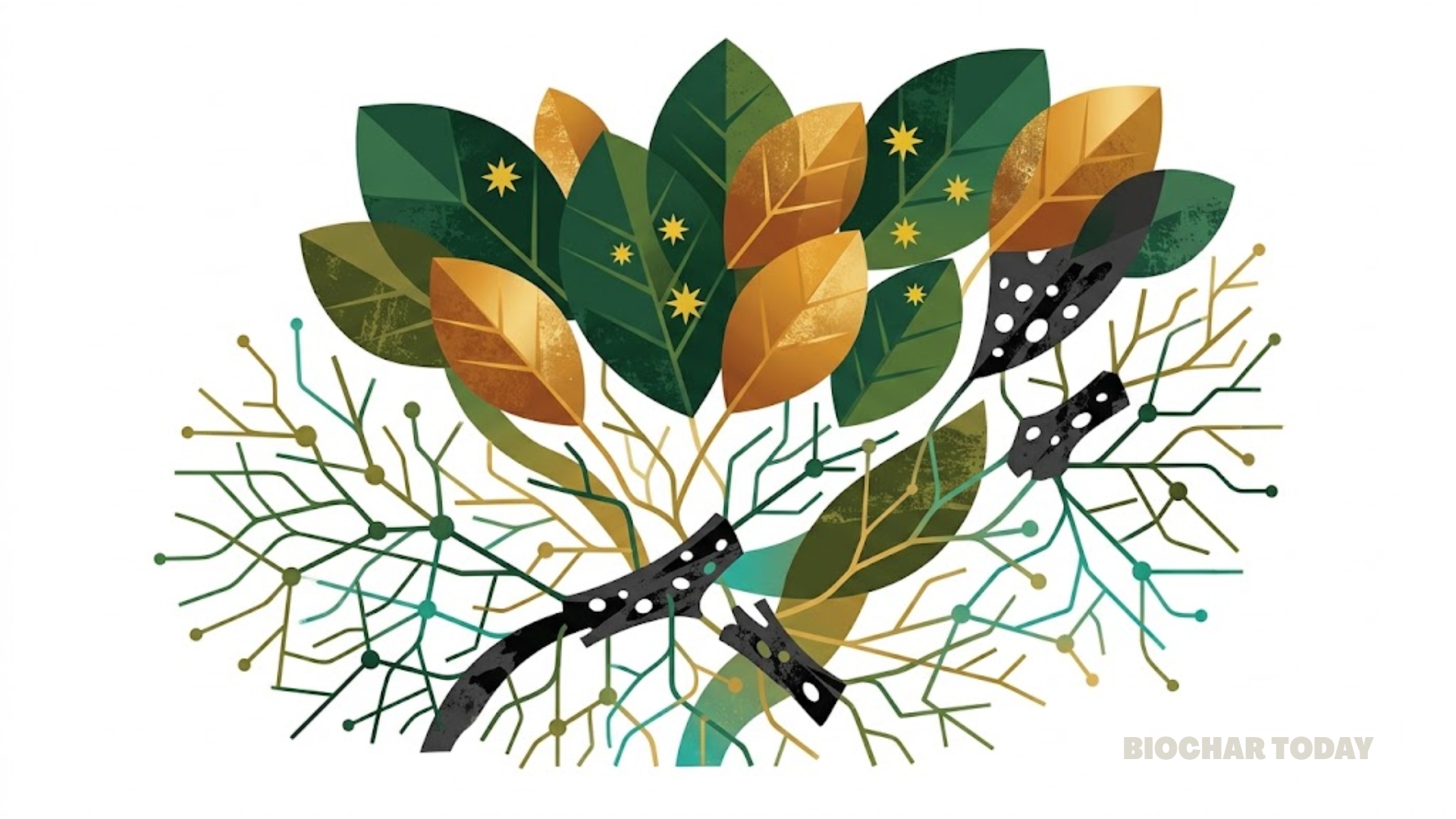
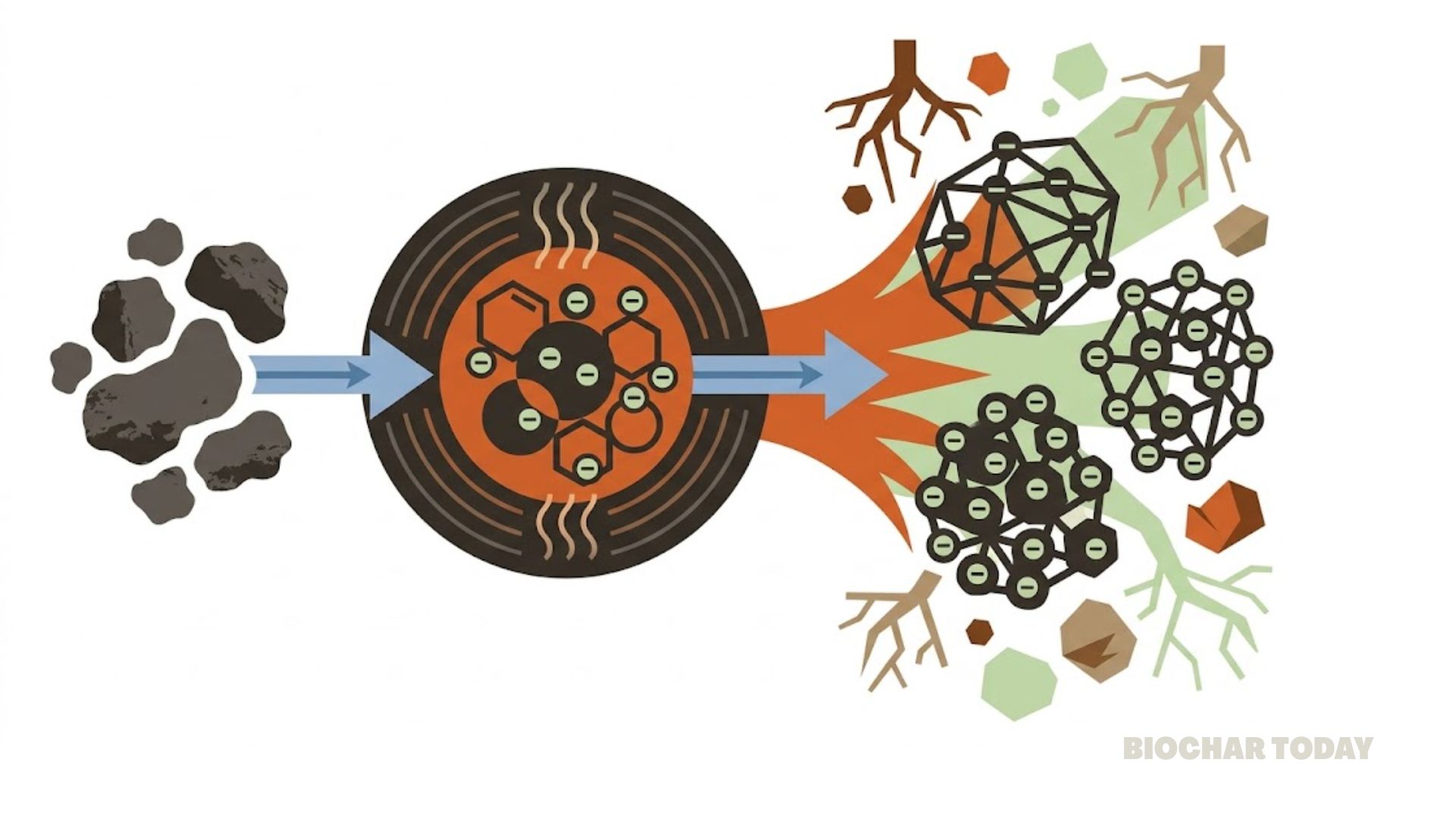
Biochar’s porous structure and functional groups enable it to adsorb and immobilize heavy metals through mechanisms like electrostatic attraction, ion exchange, and physical adsorption. The research underscores its effectiveness in reducing the bioavailability of heavy metals such as Cd, Pb, and Hg in soil, thereby lowering their uptake by tobacco plants. In field trials, biocharBiochar is a carbon-rich material created from biomass decomposition in low-oxygen conditions. It has important applications in environmental remediation, soil improvement, agriculture, carbon sequestration, energy storage, and sustainable materials, promoting efficiency and reducing waste in various contexts while addressing climate change challenges. More enhanced soil fertility, improved crop yields, and boosted tobacco plant resilience by mitigating oxidative stress and improving root vitality.
Our Take
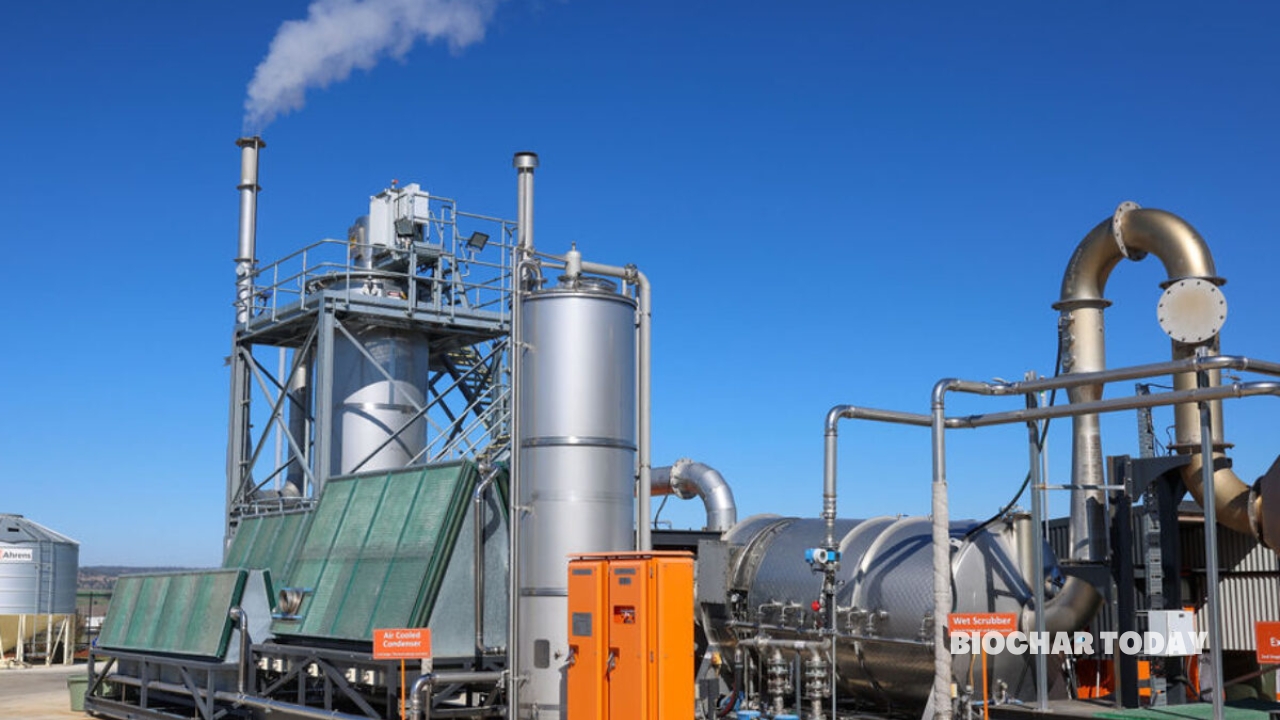
However, biochar’s performance depends on factors like soil pHpH is a measure of how acidic or alkaline a substance is. A pH of 7 is neutral, while lower pH values indicate acidity and higher values indicate alkalinity. Biochars are normally alkaline and can influence soil pH, often increasing it, which can be beneficial More, pyrolysis conditionsThe conditions under which pyrolysis takes place, such as temperature, heating rate, and residence time, can significantly affect the properties of the biochar produced. More, and feedstockFeedstock refers to the raw organic material used to produce biochar. This can include a wide range of materials, such as wood chips, agricultural residues, and animal manure. More type, which require careful optimization. High application rates can alter soil properties and potentially affect long-term soil health. The study’s focus on tobacco plants also highlights the need for broader research to validate these findings across diverse crops and conditions.
SOURCE: Shar, Abdul Ghaffar, et al. “Unlocking Biochar’s Potential: Innovative Strategies for Sustainable Remediation of Heavy Metal Stress in Tobacco Plants.” Scientifica 2025.1 (2025): 6302968.https://doi.org/10.1155/sci5/6302968

Leave a Reply