
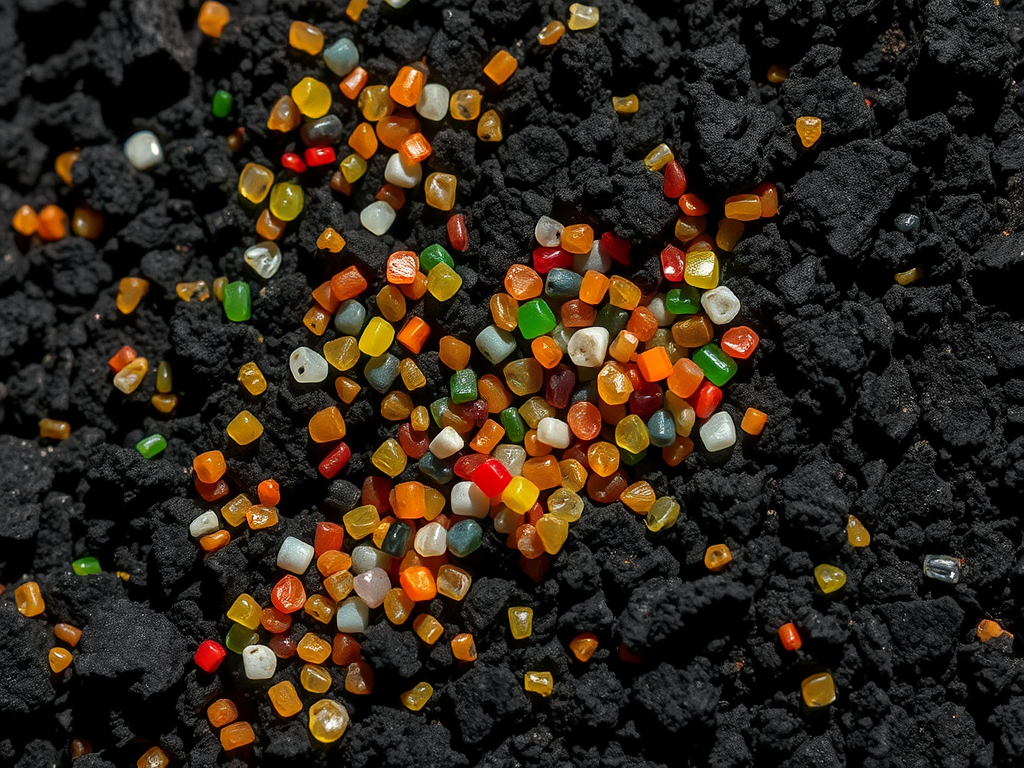
Microplastics—tiny fragments of plastic—have invaded water systems worldwide, posing severe risks to aquatic life and human health. Traditional water treatment methods struggle to filter these particles effectively, prompting scientists to explore innovative solutions like biocharBiochar is a carbon-rich material created from biomass decomposition in low-oxygen conditions. It has important applications in environmental remediation, soil improvement, agriculture, carbon sequestration, energy storage, and sustainable materials, promoting efficiency and reducing waste in various contexts while addressing climate change challenges. More. Biochar, a carbon-rich material derived from biomassBiomass is a complex biological organic or non-organic solid product derived from living or recently living organism and available naturally. Various types of wastes such as animal manure, waste paper, sludge and many industrial wastes are also treated as biomass because like natural biomass these More through pyrolysisPyrolysis is a thermochemical process that converts waste biomass into bio-char, bio-oil, and pyro-gas. It offers significant advantages in waste valorization, turning low-value materials into economically valuable resources. Its versatility allows for tailored products based on operational conditions, presenting itself as a cost-effective and efficient More, offers a promising avenue for trapping and removing microplastics. Lets have a look at this very recent research work published in Environmental Research.
Recent research examined biochar’s efficiency in filtering microplastics of varying sizes using filters packed with biochar derived from macadamia nutshells. The study revealed that smaller biochar particles are more effective, capturing over 96% of microplastics at low flow rates. The interplay between microplastics and biochar occurs through mechanisms such as adsorption, entanglement, and straining, where particles are physically trapped within biochar’s porous structure.
The study also found that biofilm—a microbial layer that forms naturally over time on biochar—further boosts filtration performance. Early-stage biofilm development altered the surface properties of biochar, enhancing microplastic retention. However, challenges such as potential clogging due to biofilm growth and the influence of flow rates on filtration efficiency remain areas for improvement.
This research underscores the potential of biochar filters as a sustainable solution in wastewater treatment plants, reducing the environmental impact of microplastics. The combination of biochar’s structural advantages and biofilm’s natural properties could revolutionize the way we address this pressing issue.
Our take
While the study highlights biochar’s potential, further research is needed to optimize its performance under real-world conditions, such as high wastewater volumes and varying pollutant compositions. Addressing operational challenges like clogging and long-term biofilm effects will be crucial for large-scale application.
SOURCE :Changlor, N., Inchana, C., Sabar, M.A., Suyamud, B., Lohwacharin, J., Effects of Relative Microplastic–Biochar Sizes and Biofilm Formation on Fragmental Microplastic Retention in Biochar Filters, Environmental Research. https://doi.org/10.1016/j.envres.2025.120834




Leave a Reply