
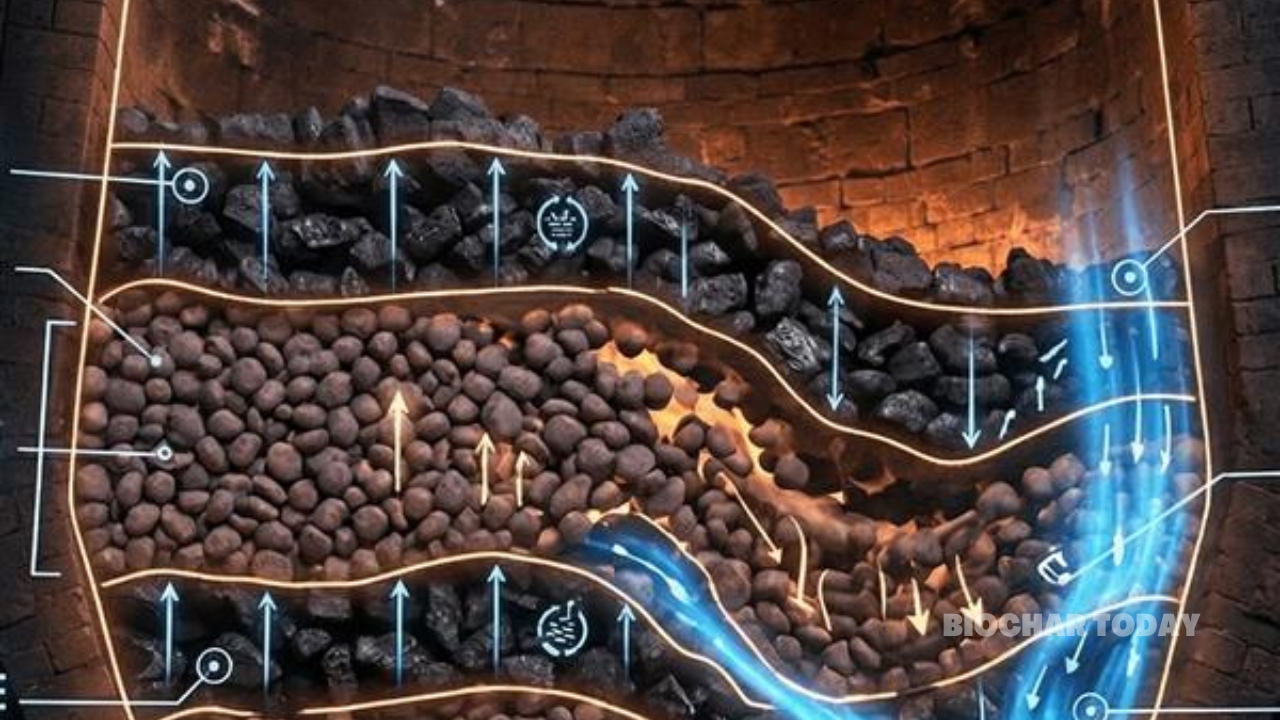
The industrial sector in Germany and Canada is facing intensified pressure to decarbonize due to the full implementation of the European Carbon Border Adjustment Mechanism (CBAM) and rising emission costs. Major corporations like thyssenkrupp and BASF are grappling with the technical limitations of transitioning away from fossil-based energy and raw materials. While these firms are exploring hydrogen and chemical recycling, the need for a solid, biogenic carbon substitute remains critical for maintaining industrial processes. CHAR Technologies has emerged as a strategic partner, providing high-temperature pyrolysisPyrolysis is a thermochemical process that converts waste biomass into bio-char, bio-oil, and pyro-gas. It offers significant advantages in waste valorization, turning low-value materials into economically valuable resources. Its versatility allows for tailored products based on operational conditions, presenting itself as a cost-effective and efficient More solutions to bridge this gap by producing biogenic coal and syngasSyngas, or synthesis gas, is a fuel gas mixture consisting primarily of hydrogen and carbon monoxide. It is produced during gasification and can be used as a fuel source or as a feedstock for producing other chemicals and fuels. More for heavy industry applications.
The primary challenge addressed in this development is the physical and chemical dependency of heavy industry on metallurgical coal and coke. For a steel producer like thyssenkrupp, hydrogen-based reduction plants can replace some fossil fuels, but hydrogen lacks the mechanical stability required to support the weight of iron ore in traditional blast furnaces. Similarly, BASF faces scaling and energy-efficiency hurdles in its “ChemCycling” project, where the purification of pyrolysis oil and the need for energy-autonomous decentralized plants complicate the transition to a circular economy. Without a functional drop-in replacement for solid carbon, these industries face stagnant decarbonization progress and rising regulatory costs.
CHAR Technologies provides a solution through its proprietary high-temperature pyrolysis process, which operates at temperatures exceeding 800 degrees Celsius. This technology converts organic waste and wood residues into “CleanFyre” biocharBiochar is a carbon-rich material created from biomass decomposition in low-oxygen conditions. It has important applications in environmental remediation, soil improvement, agriculture, carbon sequestration, energy storage, and sustainable materials, promoting efficiency and reducing waste in various contexts while addressing climate change challenges. More, a product featuring a carbon content of over 85% and the mechanical strength necessary for metallurgical applications. By utilizing a portion of the produced synthesis gas to power the reactor, the system operates energy-self-sufficiently, satisfying the stringent CO2 reduction requirements of the heavy industry sector.
The outcomes of these initiatives are evidenced by increased strategic investment and infrastructure expansion. ArcelorMittal has secured a 12.5% stake in CHAR Technologies to facilitate trials at its Dofasco plant, signaling the steel industry’s commitment to biogenic substitutes. CHAR Technologies is currently scaling its production, moving from its 5,000-ton-per-year facility in Thorold to a projected 5,0000-ton-per-year plant in Espanola. These advancements suggest that high-temperature biochar is becoming an economically viable and technically necessary component for the survival of heavy industry in a high-emission-cost environment.


Leave a Reply