
Key Takeaways
- Modified biocharBiochar is a carbon-rich material created from biomass decomposition in low-oxygen conditions. It has important applications in environmental remediation, soil improvement, agriculture, carbon sequestration, energy storage, and sustainable materials, promoting efficiency and reducing waste in various contexts while addressing climate change challenges. More significantly prevents toxic mercury from washing into groundwater during heavy rain events.
- This material accelerates the natural weathering of minerals to create stronger chemical bonds with pollutants.
- The use of modified biochar can lower the accumulation of highly toxic methylmercury in contaminated soils.
- Even under extreme heatwaves and repeated drying, the biochar remains stable and effective for long-term remediation.
- This sustainable technology also enriches the soil by supporting a more diverse and healthy community of beneficial microbes.
As global temperatures rise, the frequency of extreme heatwaves is increasing, which in turn accelerates the cycle of soil drying and wetting. This rapid shifting of soil moisture levels can trigger the “activation” of toxic pollutants like mercury, making them more likely to enter the food chain or water supplies. In a study published in the journal Biochar, lead author Zongwu Wang and an international research team investigated how thiol-modified biochar can be used as a sustainable solution to this growing environmental threat. Mercury is a priority pollutant worldwide due to its extreme toxicity and persistence, and finding ways to permanently immobilize it in the ground—especially under the stress of a changing climate—is a critical priority for environmental engineers.
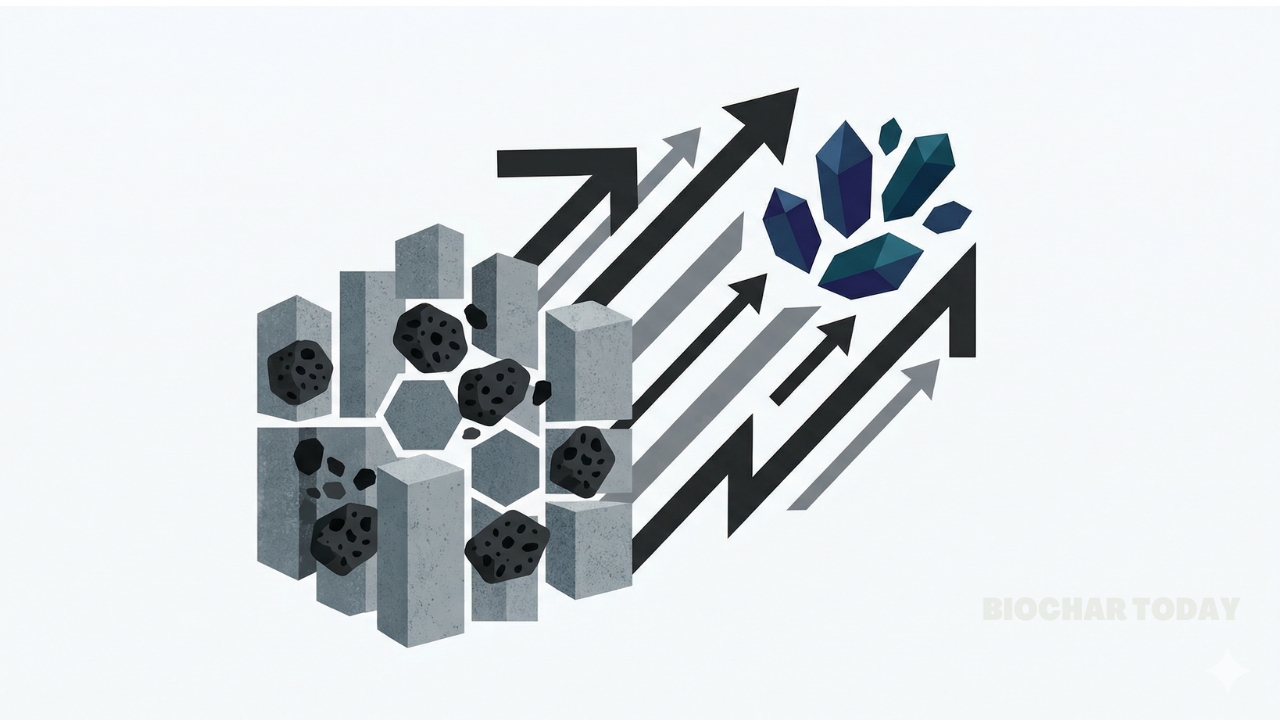
The researchers discovered that thiol-modified biochar does not just act as a passive filter; it actively changes the chemistry of the soil to lock away pollutants. One of the most significant findings was the material’s ability to reduce leachable mercury by over eighty percent in soils subjected to simulated extreme weather cycles. This effectiveness is largely due to the biochar’s influence on soil minerals. The study found that the biochar accelerated the dissolution of calcium carbonate by approximately nineteen percent. This process raises the soil’s alkalinity and changes the electrical charge of soil particles, creating a favorable environment where mercury is forced to precipitate or stick to the surface of the soil rather than washing away.
Beyond simple surface sticking, the modified biochar facilitates a deep chemical transformation within the soil. Under the influence of the biochar, common iron and aluminum oxides are converted into new forms with a much stronger binding capacity. This essentially “redistributes” the mercury from highly mobile and dangerous states into very stable fractions that are tightly held within the soil matrix. The study recorded a nearly ninety percent reduction in the most bioavailable forms of mercury. Furthermore, the biochar enhanced the release of soil organic matter, which further complexed with the mercury to prevent the formation of methylmercury—the most toxic form of the element that typically accumulates in fish and animals.
In addition to its chemical benefits, the use of thiol-modified biochar proved to be a boon for the soil’s biological health. The study observed that treated soils had significantly higher microbial diversity, richness, and evenness compared to untreated contaminated sites. Specifically, the biochar encouraged the growth of beneficial bacterial groups like Bacillales and Gemmatimonadales. These shifts in the soil microbiome suggest that the biochar helps establish a synergistic system where both the physical material and the living organisms work together to maintain long-term stability and reduce environmental risks. This is particularly important for the sustainable remediation of large-scale engineering projects where long-term performance is mandatory.
The findings of this research provide a robust scientific basis for using modified biochar in regions prone to frequent heatwaves and heavy rainfall. By effectively turning the natural process of mineral weathering into a tool for pollutant immobilization, this technology offers a durable and cost-effective way to protect ecosystems from legacy mercury contamination. The study concludes that thiol-modified biochar is not only effective at immediate cleanup but also exceptionally resilient, ensuring that once mercury is locked away, it remains stable even as the planet faces more extreme weather patterns in the coming decades.
Source: Wang, Z., Zhang, L., Hu, H., He, J., Liang, Z., & Huang, Y. (2026). Redistribution of soil mercury species mediated by thiolated biochar under dry-wet cycles. Biochar, 8, 90.


Leave a Reply