
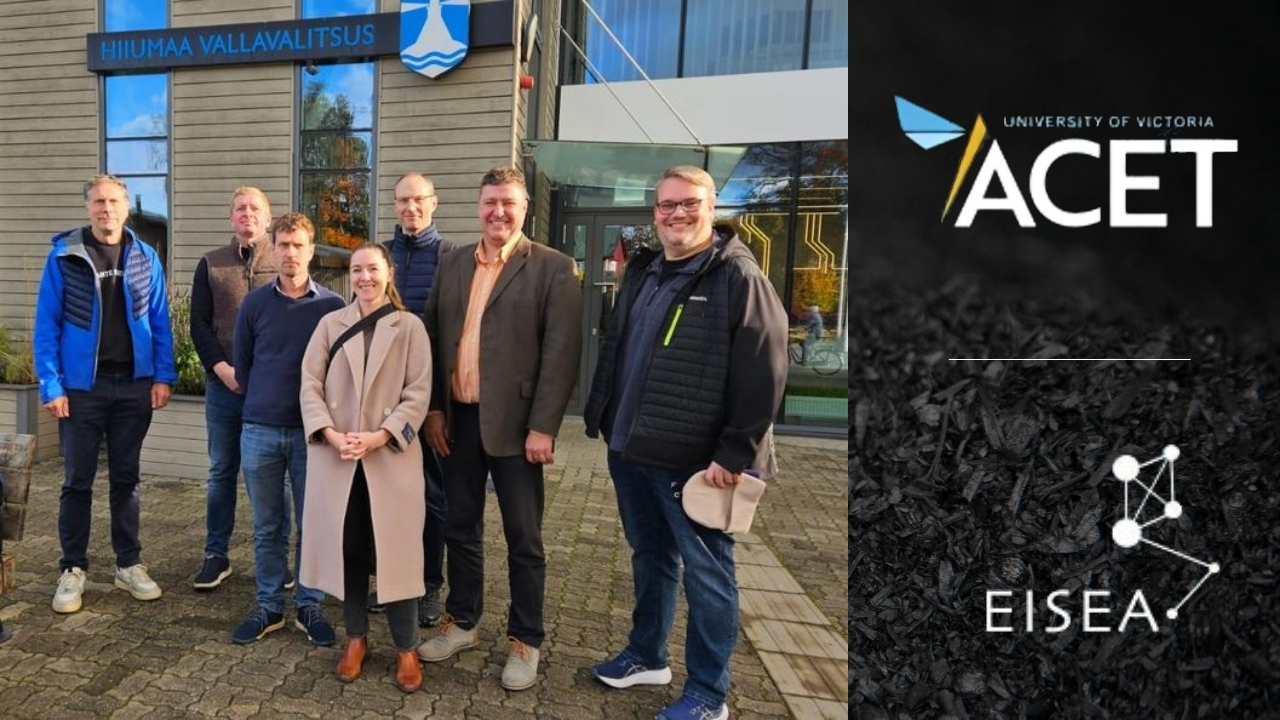
The Islands’ Energy Agency (EISEA) in Estonia has launched an international collaboration with the Accelerating Community Energy Transformation (ACET) initiative, led by the University of Victoria in Canada. This partnership aims to accelerate the transition toward clean energy on the West Estonian islands through a series of multi-stage technical and economic studies. Scheduled to begin in 2026, the research involves participation from TalTech and the University of Tartu to ensure that local contexts are integrated with Canadian scientific leadership. A primary focus of the initial phase is the development of circular economy business models on the island of Saaremaa.
The major challenge addressed by this initiative is the need for sustainable energy security and economic resilience for island communities. These regions often face logistical and financial hurdles in establishing independent energy production that meets community expectations while adhering to evolving environmental regulations. Specifically, Saaremaa must prepare for future European Union requirements regarding biogas use and find viable ways to handle organic waste streams. Traditional energy models frequently lack the holistic perspective required to balance local economic growth with the technical demands of renewable energy integration.
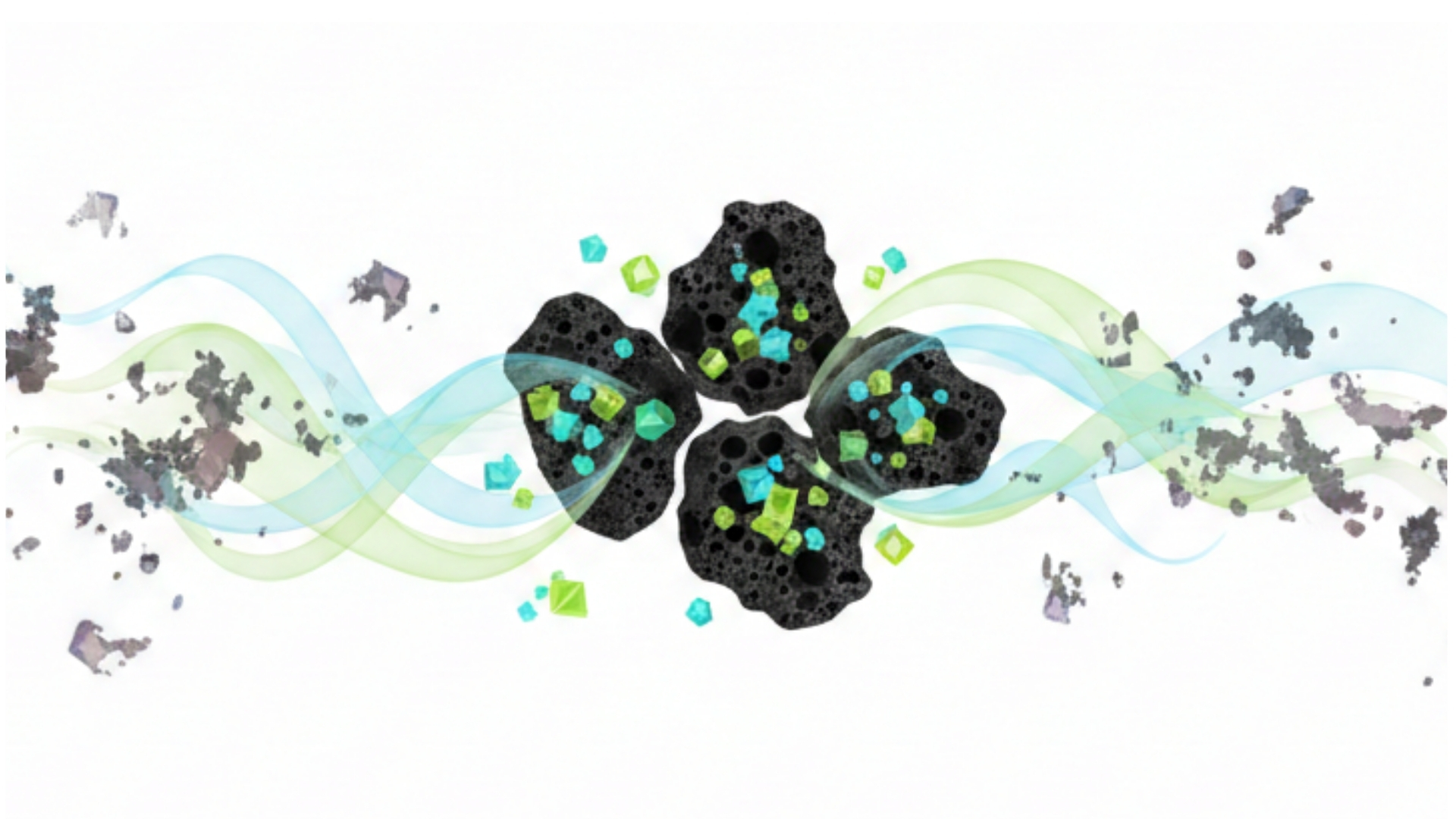
To solve these challenges, the partnership is conducting an in-depth study focused on integrating biogas systems with the production of biocharBiochar is a carbon-rich material created from biomass decomposition in low-oxygen conditions. It has important applications in environmental remediation, soil improvement, agriculture, carbon sequestration, energy storage, and sustainable materials, promoting efficiency and reducing waste in various contexts while addressing climate change challenges. More and other bio-products. The solution involves evaluating how these systems can be combined with existing district heating solutions to create a more efficient and diversified energy grid. By utilizing biochar production as a core component of the circular economy model, the islands can transform organic residuals into stable carbon products, thereby optimizing resource management. This approach utilizes Canadian expertise in energy cooperatives to support the development of community-centric energy systems.
The expected outcomes of this partnership include the creation of evidence-based models for local energy production that strengthen the regional economy. The integration of biochar production into Saaremaa’s energy strategy is projected to provide a long-term, sustainable benefit by linking waste management with district heating. Furthermore, the collaboration will produce comparative research that benefits both Estonian and Canadian energy sectors, establishing a transparent and inclusive framework for large-scale renewable projects. These studies will ultimately direct future investments into infrastructure that enhances energy independence and community resilience across the West Estonian islands.



Leave a Reply