

The Ministry of Agriculture of the Republic of Uzbekistan announced the commencement of a pioneering international agricultural carbon project. Developed in collaboration with the International Center for Biosaline Agriculture (ICBA) and various global research institutions, the initiative is designed to integrate carbon sequestration practices into the nation’s primary farming sectors. The project emphasizes the transition toward “climate-smart” agriculture by incentivizing the adoption of sustainable land management techniques. By establishing a formal framework for carbon accounting within the Uzbek agricultural landscape, the government seeks to align national food security goals with international climate commitments and the burgeoning global carbon market.
The primary challenge addressed by this initiative is the escalating land degradation and soil salinity that characterize much of Uzbekistan’s arable land. Decades of intensive monoculture and inefficient irrigation have depleted soil organic matter, reducing fertility and increasing the vulnerability of crops to climate volatility. Furthermore, Uzbek farmers have historically lacked the technical infrastructure and financial incentives to adopt regenerative practices. Without a structured system to measure and monetize carbon sequestration, the high transition costs of sustainable interventions remained a significant barrier to widespread adoption among smallholders and large-scale agricultural enterprises alike.
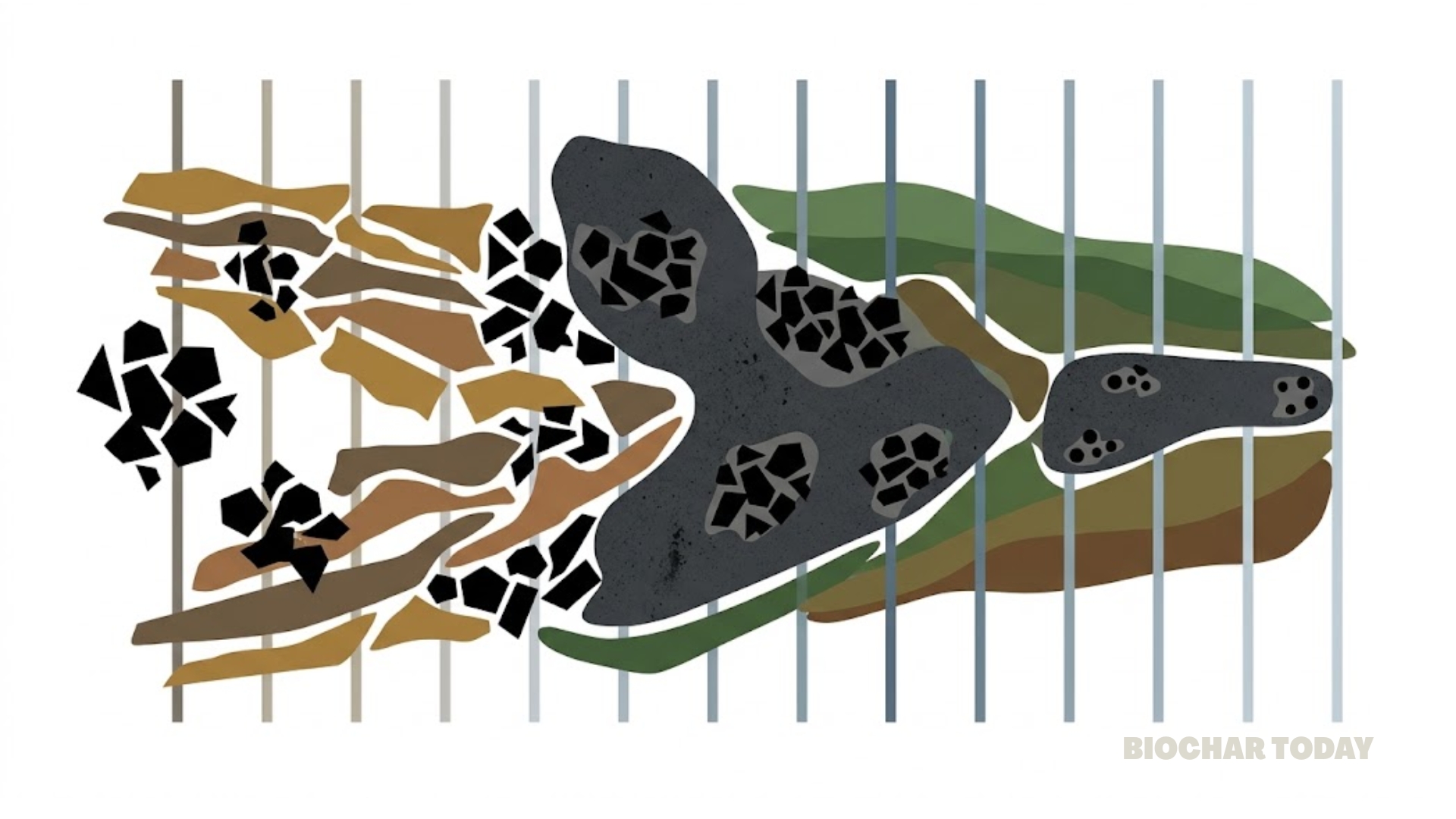
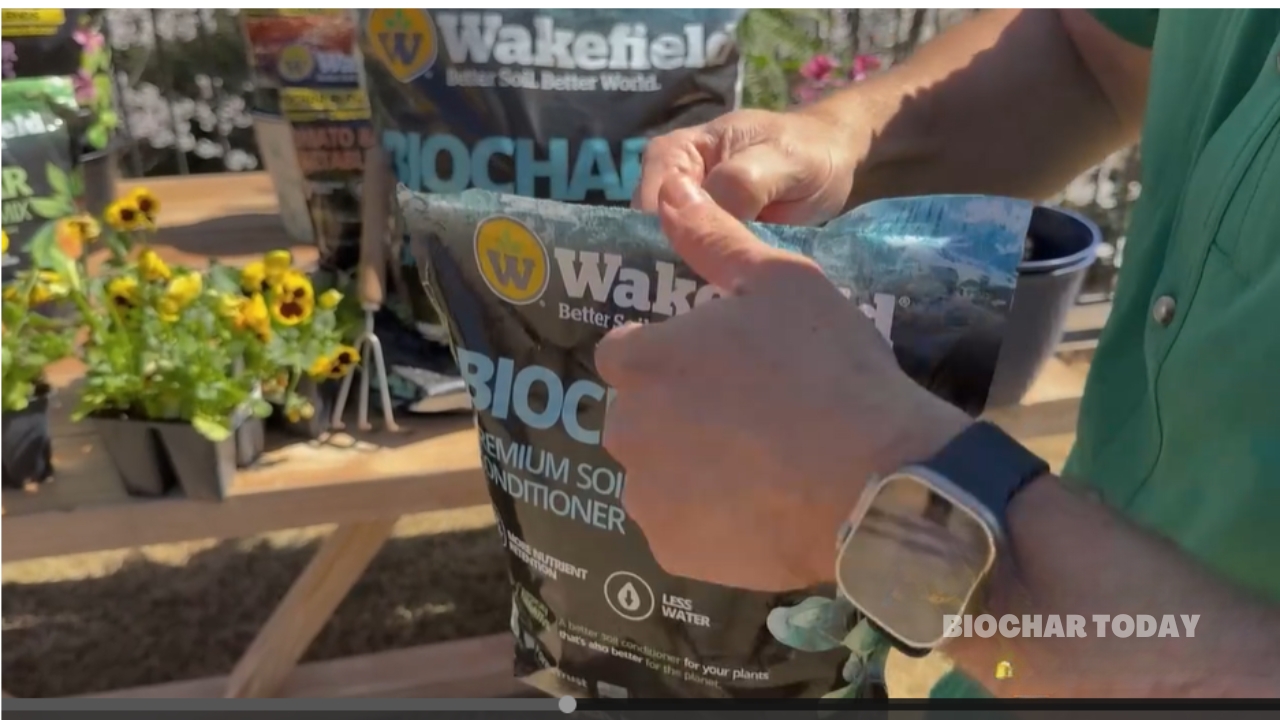
The solution proposed by the Ministry of Agriculture and ICBA centers on a multi-tiered approach to soil health restoration, with a specific focus on biocharBiochar is a carbon-rich material created from biomass decomposition in low-oxygen conditions. It has important applications in environmental remediation, soil improvement, agriculture, carbon sequestration, energy storage, and sustainable materials, promoting efficiency and reducing waste in various contexts while addressing climate change challenges. More application and conservation tillage. The project introduces standardized monitoring, reporting, and verification (MRV) protocols to quantify the carbon stored in the soil through these interventions. By utilizing biochar as a soil conditioner, the program aims to improve water retention and nutrient availability while sequestering atmospheric carbon in a stable form. Additionally, the project provides technical training and high-quality inputs to farmers, facilitating the shift from conventional chemical-heavy practices to a more circular, biological approach to soil management.
The outcomes of this project include the projected sequestration of significant volumes of carbon dioxide, which will eventually be translated into tradable carbon credits. This provides a new, diversified revenue stream for the Uzbek agricultural sector, enhancing the economic resilience of rural communities. Beyond the financial implications, the initiative is expected to improve crop yields and reduce the demand for synthetic fertilizers, thereby lowering the overall environmental footprint of the nation’s food production. The success of this international collaboration positions Uzbekistan as a regional leader in Central Asia for agricultural innovation and demonstrates a scalable model for integrating biochar into national climate mitigation strategies.


Leave a Reply