
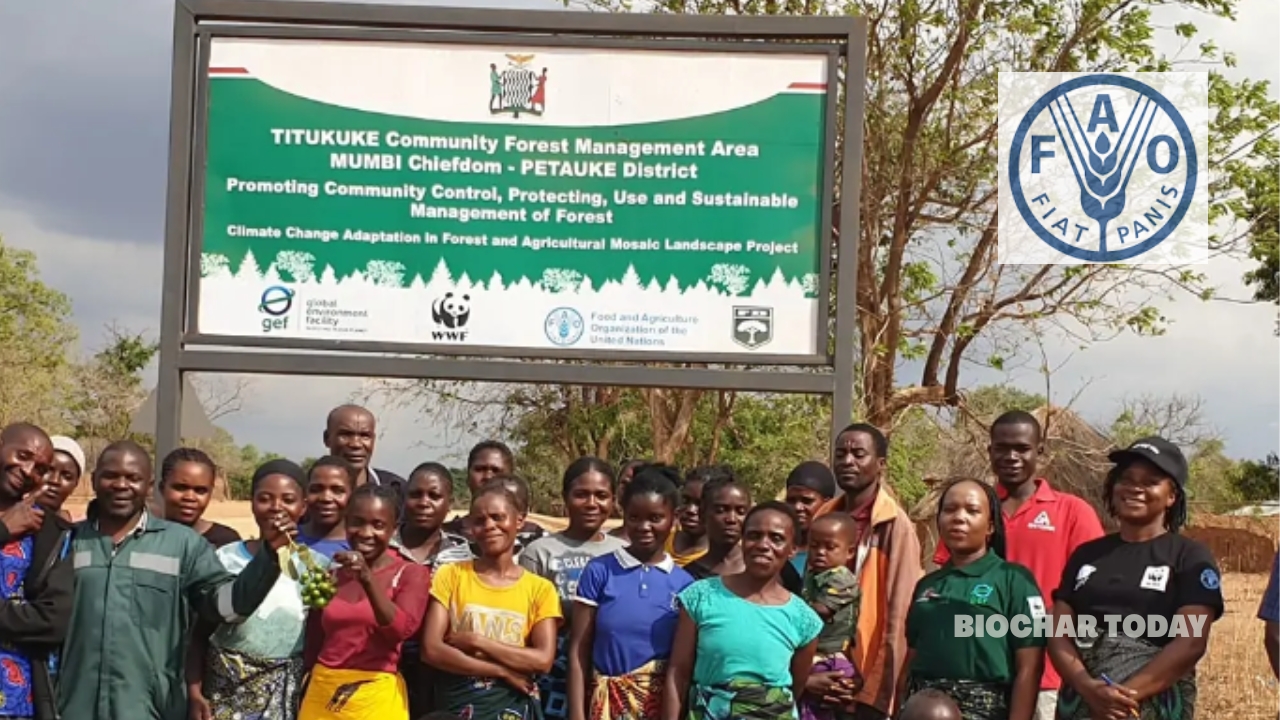
The Food and Agriculture Organization of the United Nations (FAO) has partnered with the Government of Zimbabwe and the Forestry Commission to implement a community-led forest restoration initiative in the Chipinge District of eastern Zimbabwe. This program, showcased during the country’s National Tree Planting Day, focuses on strengthening forest-based livelihoods and climate resilience through woodlot establishment and the management of invasive plant species. A central component of the technical outreach involves the Miombo Transboundary Initiative, which seeks to restore critical ecosystems while providing sustainable sources of energy and construction materials for local communities.
A significant challenge addressed by this initiative is the ecological threat posed by the invasive plant species Vernonanthura polyanthes. This invasive shrub outcompetes indigenous vegetation and disrupts the delicate balance of the miombo woodlands, ultimately degrading soil health and reducing the availability of natural resources for forest-dependent populations. Traditional methods of control often fail to prevent the rapid spread of such species, necessitating an innovative approach that integrates invasive species management with agricultural productivity and soil restoration.
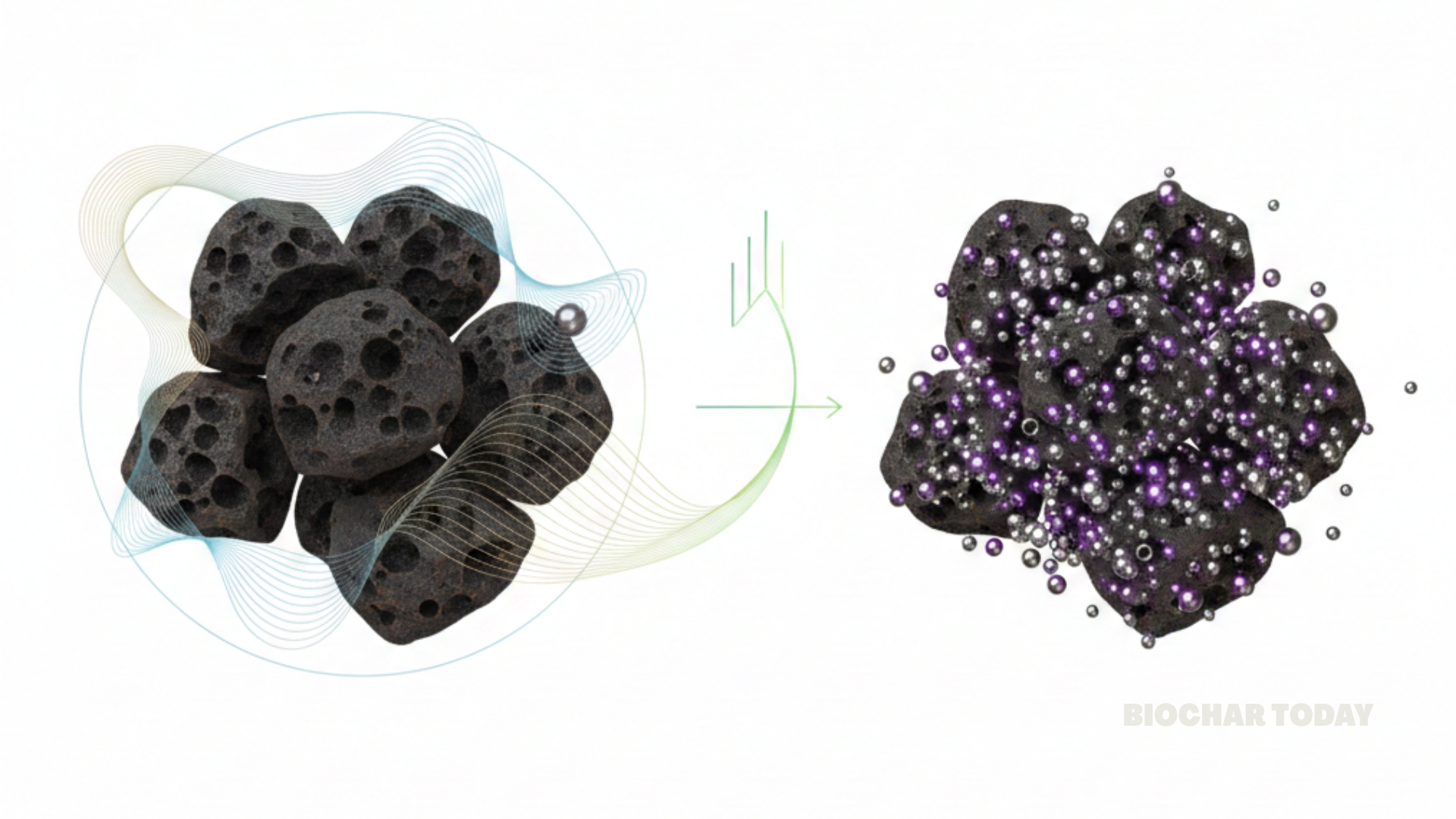
To resolve these environmental pressures, the Forestry Commission and FAO have introduced a solution centered on the production and application of biocharBiochar is a carbon-rich material created from biomass decomposition in low-oxygen conditions. It has important applications in environmental remediation, soil improvement, agriculture, carbon sequestration, energy storage, and sustainable materials, promoting efficiency and reducing waste in various contexts while addressing climate change challenges. More derived specifically from Vernonanthura polyanthes. By converting the biomassBiomass is a complex biological organic or non-organic solid product derived from living or recently living organism and available naturally. Various types of wastes such as animal manure, waste paper, sludge and many industrial wastes are also treated as biomass because like natural biomass these More of this invasive plant into biochar, the program removes the threat of the species while creating a high-value soil amendmentA soil amendment is any material added to the soil to enhance its physical or chemical properties, improving its suitability for plant growth. Biochar is considered a soil amendment as it can improve soil structure, water retention, nutrient availability, and microbial activity. More. Technical specialists demonstrated the practical application of this biochar by mixing it with manure and fertilizer to enhance soil fertility and nutrient retention. This methodology allows the community to manage invasive populations actively while simultaneously improving the agronomic potential of their land.
The outcomes of this initiative demonstrate a successful integration of conservation and economic development. The community has established a 2.5-hectare woodlot and is on track to plant over 1,600 Eucalyptus seedlings annually to reduce pressure on the indigenous Chirinda Forest. Beyond forest restoration, the program has fostered diversified livelihoods, including a beekeeping enterprise that recently yielded 100 kg of honey for commercial sale. With the oversight of a resident Forestry Commission officer and strict adherence to FAO standard operating procedures, the production of biochar ensures long-term soil health and provides a scalable model for climate-smart agriculture in the region.


Leave a Reply