
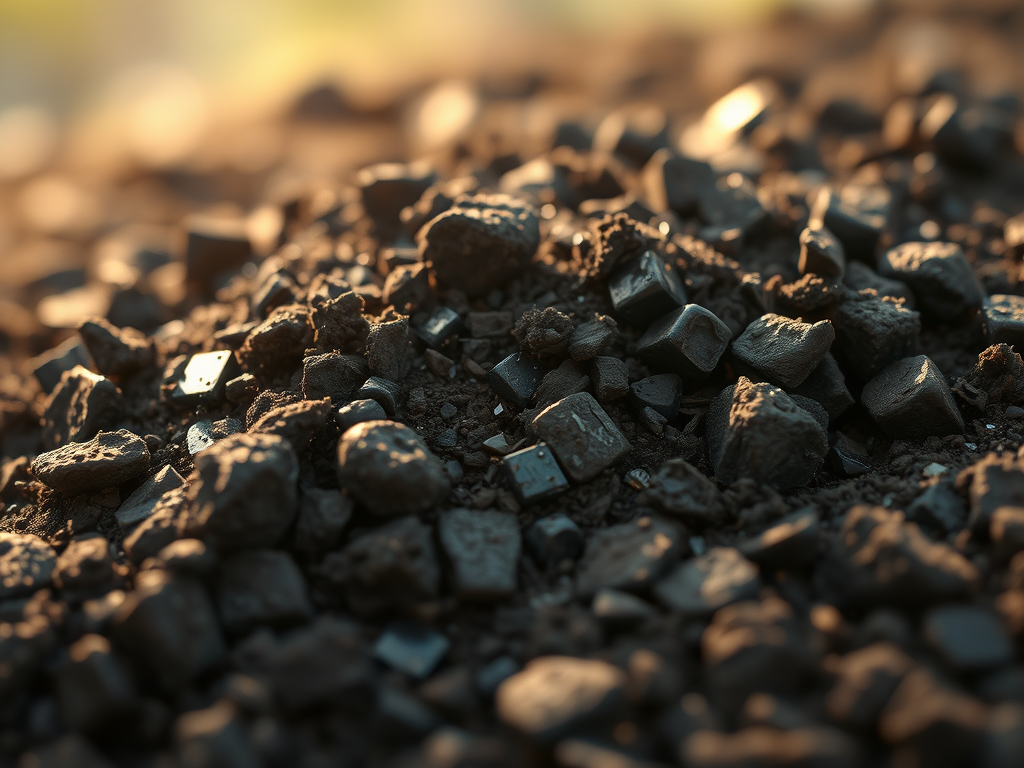
In a world grappling with polluted soils, researchers have unearthed a groundbreaking approach to improve soil health and agricultural productivity. Aged lignin-based biocharBiochar is a carbon-rich material created from biomass decomposition in low-oxygen conditions. It has important applications in environmental remediation, soil improvement, agriculture, carbon sequestration, energy storage, and sustainable materials, promoting efficiency and reducing waste in various contexts while addressing climate change challenges. More (LBC) combined with selenium (Se) fertilization offers a promising solution to mitigate heavy metal contamination and boost plant resilience. This innovation reported in the Journal Industrial Crops & Products not only enhances food safety but also contributes to sustainable agriculture.
Heavy metals like cadmium (Cd) and zinc (Zn) are notorious for jeopardizing soil and crop health, infiltrating food chains, and endangering ecosystems. The study focuses on how aging biochar—a carbon-rich material derived from biomass—augments its effectiveness in immobilizing these toxic metals. Over three years of simulated aging, LBC underwent remarkable chemical transformations, including the formation of stable minerals like Ca, MgCO₃ and functional groups like Si-O. These changes enhanced its ability to adsorb Cd and Zn while improving soil fertility by releasing essential nutrients such as magnesium and silicon.
When paired with foliar-applied selenium, the benefits were amplified. Selenium not only reduced metal toxicity in plants but also boosted their photosynthetic efficiency and antioxidant defenses. Pakchoi plants treated with aged LBC and Se showcased a 90% increase in biomassBiomass is a complex biological organic or non-organic solid product derived from living or recently living organism and available naturally. Various types of wastes such as animal manure, waste paper, sludge and many industrial wastes are also treated as biomass because like natural biomass these More, enriched chlorophyll levels, and significant reductions in oxidative stress markers like malondialdehyde (MDA). These results highlight the synergy between biochar and selenium in fostering plant health even under heavy metal stress. However, the study goes beyond soil remediation. By improving soil structure and nutrient availability, aged biochar supports microbial diversity, paving the way for long-term agricultural sustainability. The research demonstrates that this innovative approach can convert waste lignin into a valuable resource for combating soil contamination and achieving food security.
Our take
We applaud this cutting-edge research that showcases biochar’s potential as a game-changer in sustainable agriculture. The use of lignin-based biochar, a byproduct of paper industries, exemplifies circular economy principles. Combining it with selenium creates a powerful duo for heavy metal remediation and plant health enhancement. This study underscores biochar’s versatility and its critical role in achieving a greener, healthier planet.
SOURCE: Li, Xianzhen, et al. (2025). Synergistic effects of aged lignin-based biochar and selenium fertilization on heavy metal remediation in agricultural soils. Industrial Crops and Products. https://doi.org/10.1016/j.indcrop.2025.120464


Leave a Reply