
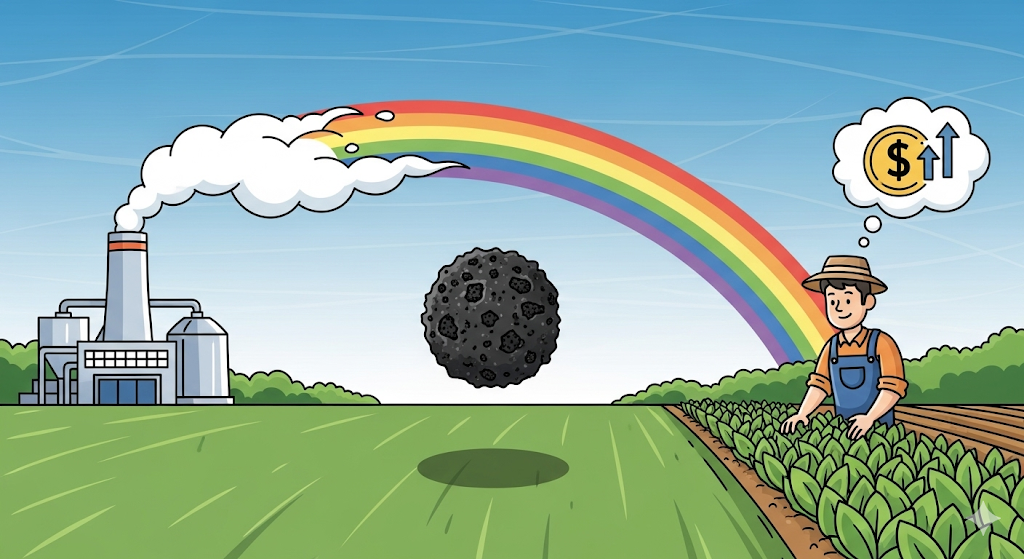
The Swedish biocharBiochar is a carbon-rich material created from biomass decomposition in low-oxygen conditions. It has important applications in environmental remediation, soil improvement, agriculture, carbon sequestration, energy storage, and sustainable materials, promoting efficiency and reducing waste in various contexts while addressing climate change challenges. More sector has reached a new milestone with Biokol delivering the first-ever 1,000-year permanence credits, validated under the Rainbow Standard. This announcement marks the first time biochar credits have been issued with such a long-term permanence horizon, setting a new benchmark for the global carbon market. The achievement positions the project as a leader in providing high-integrity, long-duration carbon removal solutions.
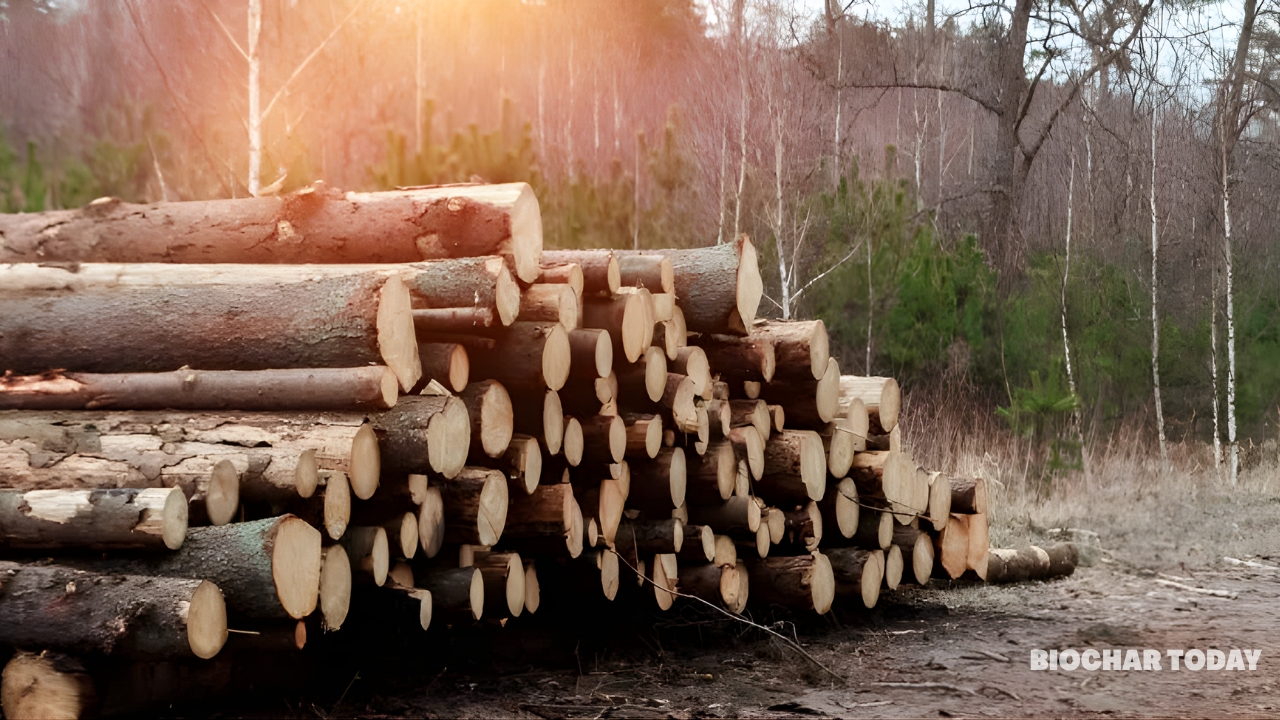
The Biokol project gathers a network of small-scale Swedish producers who use pyrolysisPyrolysis is a thermochemical process that converts waste biomass into bio-char, bio-oil, and pyro-gas. It offers significant advantages in waste valorization, turning low-value materials into economically valuable resources. Its versatility allows for tailored products based on operational conditions, presenting itself as a cost-effective and efficient More technology to transform sustainably sourced forestry residues into biochar. For every tonne of biochar produced, an impressive 2.6 tonnes of CO2 equivalent are sequestered in a stable, long-term form. This is a powerful demonstration of biochar’s potential to combat climate change by locking away carbon for centuries.
Beyond carbon sequestration, the project offers a range of tangible co-benefits. Applying biochar at a rate of 8 tonnes per hectare on farms has been shown to increase average crop yields by 13%, helping to restore soil health and combat land degradation. The project also significantly reduces agricultural emissions by replacing conventional fertilizers, leading to at least a 12% cut in nitrous oxide output.
Operationally, the project is a model of sustainability. Both project sites run on 100% renewable electricity, ensuring the entire process is fossil-free and promotes the use of clean energy. The project’s distributed model also benefits local communities by minimizing transport distances and creating high-quality jobs in rural areas. The validation by the Rainbow Standard confirms that Biokol meets a high degree of scientific rigor, measurable climate impact, and delivers significant local co-benefits.
SOURCE: Today I’m proud to announce that BIOKOL has delivered Rainbow’s first 1,000-year permanence credits.

Leave a Reply