
Key Takeaways
- Researchers developed a new cleaning material by combining cauliflower leaf waste with a zinc-based framework to purify contaminated water.
- This eco-friendly catalyst successfully removes up to 92 percent of harmful industrial dyes from water in less than an hour.
- The system is powered by natural sunlight, making it a low-cost and sustainable alternative to traditional chemical water treatments.
- The cleaning material is highly durable and can be collected and used again for multiple cleaning cycles without losing its effectiveness.
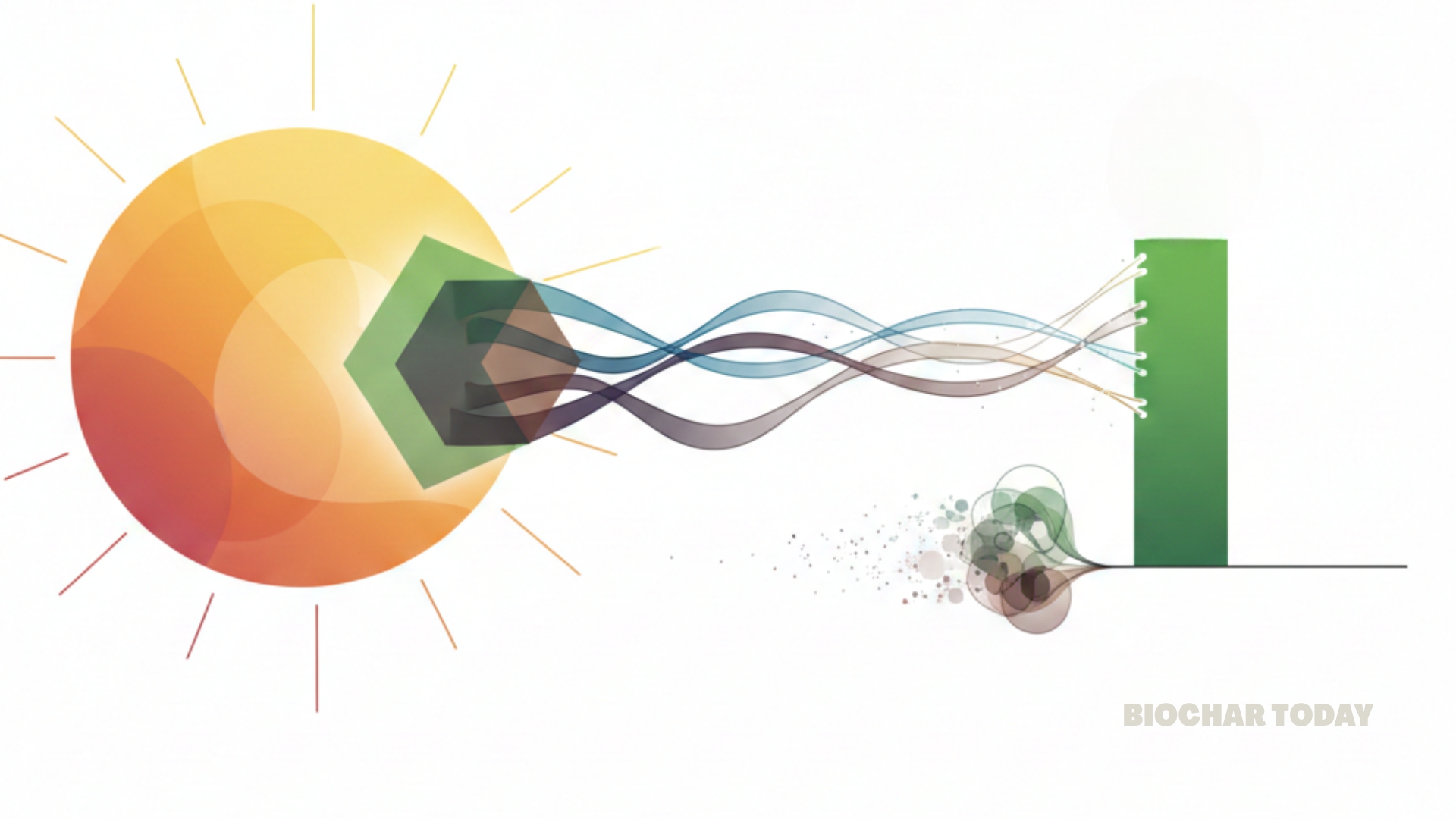
Water pollution from industrial dyes remains a critical global challenge, as these substances are often toxic, carcinogenic, and resistant to natural breakdown. Traditional treatment methods frequently require expensive equipment or harsh chemicals that can lead to secondary pollution. In a major step toward sustainable water remediation, scientists at the National Institute of Technology Silchar in India have successfully turned agricultural waste into a high-performance tool for environmental cleanup. By processing discarded cauliflower leaves into a porous carbon material and pairing it with a specialized metal framework, they created a composite that harnesses solar energy to dismantle dye molecules at a molecular level.
The findings reveal that this new catalyst is exceptionally efficient at removing victoria blue and crystal violet, two dyes commonly used in the textile, paper, and cosmetic industries. When exposed to natural sunlight, the material generates highly reactive oxygen molecules that attack the dyes, breaking them down into harmless substances like carbon dioxide and water. Quantitatively, the catalyst achieved a 92 percent removal rate for victoria blue and an 89 percent removal rate for crystal violet within just fifty minutes of sunlight exposure. This performance significantly outperforms the individual components used alone, proving that the synergy between the biocharBiochar is a carbon-rich material created from biomass decomposition in low-oxygen conditions. It has important applications in environmental remediation, soil improvement, agriculture, carbon sequestration, energy storage, and sustainable materials, promoting efficiency and reducing waste in various contexts while addressing climate change challenges. More and the zinc framework is essential for rapid decontamination.
One of the most significant aspects of the study is the material’s performance under various real-world conditions. The researchers tested the catalyst using different water sources, including tap water, mineral water, and lake water. While the presence of natural minerals and other ions slightly slowed the process, the catalyst remained robust and effective across all tests. This adaptability is crucial for practical applications where water quality varies significantly. Additionally, the study optimized the conditions for the best results, finding that a small amount of the catalyst works most effectively in slightly alkaline water, which is common in many industrial wastewater streams.
Sustainability was a core focus of the research team, extending beyond the use of food waste as a raw material. The catalyst demonstrated excellent stability, maintaining high cleaning efficiency through four consecutive uses. After each cleaning cycle, the material could be easily recovered and prepared for the next run with minimal loss of power. This recyclability, combined with the use of natural sunlight rather than artificial lamps, suggests a path toward extremely low-cost water purification systems for communities and industries. By transforming cauliflower leaf waste into a high-value environmental asset, this research offers a dual solution for solid waste management and wastewater treatment.
The success of this solar-powered cleaning process highlights the potential of biochar as a foundation for next-generation green technologies. Because biochar is naturally porous and conductive, it acts as an ideal platform for more complex chemical frameworks, helping to separate electrical charges and speed up the degradation of pollutants. This study effectively broadens the boundaries for developing cost-effective, sustainable catalysts that can be produced from diverse agricultural sources. As the world seeks to move away from energy-intensive industrial processes, the ability to clean water using nothing more than sunlight and repurposed food waste provides a promising and practical roadmap for environmental protection.
Source: Darabdhara, J., Hazarika, B., & Ahmaruzzaman, M. (2026). Zn-based metal organic frameworks encapsuated cauliflower leaves-derived biochar composite for photocatalytic removal of victoria blue and crystal violet. Scientific Reports.

Leave a Reply