
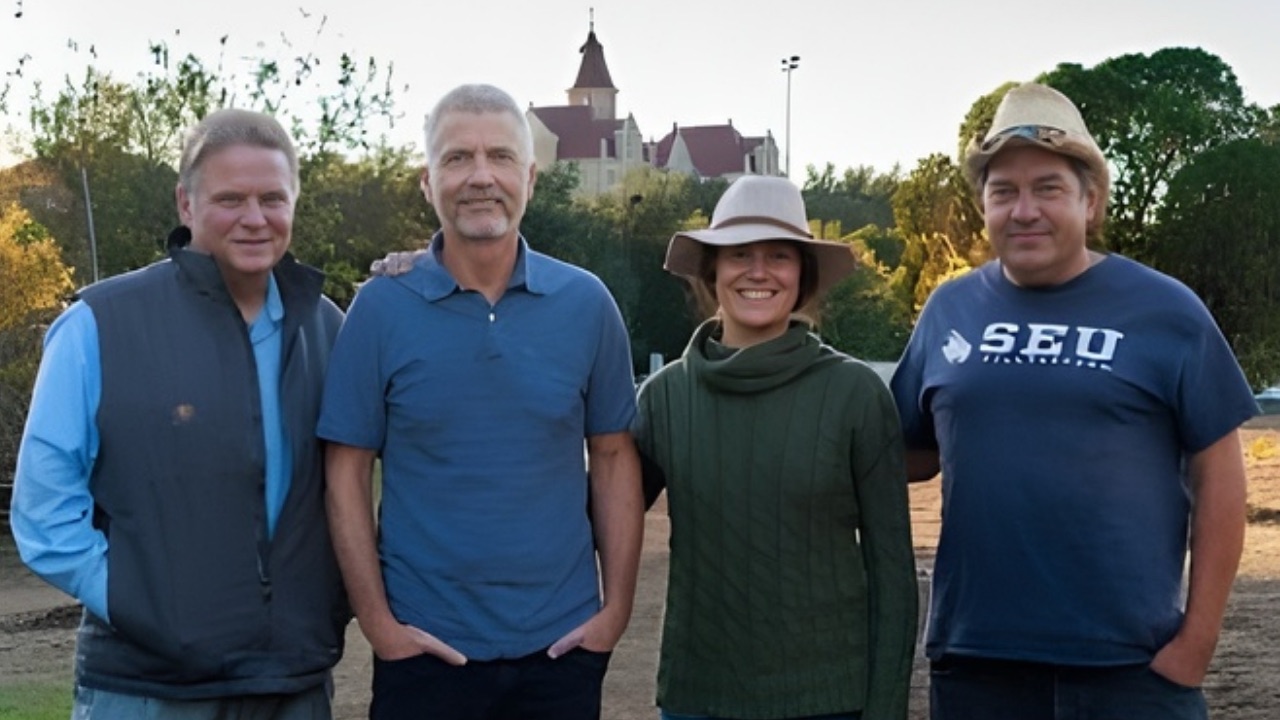
In Austin, Texas, St. Edward’s University has launched the CLI-RES Living Lab, a collaborative initiative designed to integrate climate resilience research with campus land management. This project represents a strategic partnership between the university’s Environmental Science and Policy program, the City of Austin, and the non-profit organization TreeFolks. By utilizing the university campus as a testing ground, the stakeholders are evaluating the effectiveness of biochar-amended soils in supporting urban forestry. The initiative serves as a bridge between academic research and municipal sustainability goals, focusing on the practical application of soil science to mitigate local environmental stressors.
The primary challenge addressed by this project is the decline of the urban tree canopy in Austin, which is exacerbated by the urban heat island effect and increasingly volatile climate conditions. Urban environments often feature compacted, nutrient-poor soils that significantly hinder tree growth and survival rates. Maintaining a healthy canopy is essential for local temperature regulation and carbon sequestration; however, traditional planting methods often struggle to overcome the physiological stress placed on young trees in high-traffic or paved areas. The need for a scalable, scientifically-backed method to improve soil structure and water retention is central to the project’s objectives.
To address these soil deficiencies, the CLI-RES Living Lab implemented a strategy centered on the application of biochar-amended soil during tree planting phases across the St. Edward’s campus. The interdisciplinary team combined expertise from environmental science, policy, and business to oversee the application and monitoring of these amendments. This approach integrates biocharBiochar is a carbon-rich material created from biomass decomposition in low-oxygen conditions. It has important applications in environmental remediation, soil improvement, agriculture, carbon sequestration, energy storage, and sustainable materials, promoting efficiency and reducing waste in various contexts while addressing climate change challenges. More into the root zones of newly planted trees to enhance moisture retention and nutrient availability. Furthermore, the “Living Lab” framework allows for continuous data collection, enabling researchers to quantify the performance of biochar compared to traditional planting media under real-world urban conditions.
The project has demonstrated measurable improvements in the health and establishment of the university’s tree population. Early outcomes indicate that trees planted with biochar amendments show greater resilience to Austin’s heat and drought cycles. Beyond biological success, the initiative has established a replicable model for municipal-academic collaboration. It has also provided a platform for student engagement and public education, demonstrating the viability of biochar as a component of urban climate adaptation. The data generated serves as a proof of concept for other urban centers looking to optimize green infrastructure investments.



Leave a Reply