

Key Takeaways
- BiocharBiochar is a carbon-rich material created from biomass decomposition in low-oxygen conditions. It has important applications in environmental remediation, soil improvement, agriculture, carbon sequestration, energy storage, and sustainable materials, promoting efficiency and reducing waste in various contexts while addressing climate change challenges. More helps improve poor quality salty soils by adding nutrients and improving structure.
- As biochar sits in the ground, it naturally breaks down and changes over time, which can reduce its benefits.
- New research shows that very salty soil actually acts as a preservative that keeps biochar from breaking down too quickly.
- High salt levels create a physical shield on the biochar surface and discourage certain microbes from eating it.
- Understanding how salt affects biochar helps farmers use it more effectively to restore damaged farmland for a longer period.
The use of biochar as a green and sustainable tool for fixing damaged agricultural land has gained significant traction in recent years, particularly for treating saline-alkali soils. Biochar is created by heating organic materials like wheat straw in an oxygen-free environment, resulting in a stable, carbon-rich product that can improve soil fertility and trap carbon for centuries. However, once biochar is added to the earth, it begins a natural aging process triggered by rain, temperature changes, and tiny soil organisms. This aging can alter the very properties that make biochar useful, leading scientists to wonder how different soil environments, specifically those with high salt content, influence this breakdown over time.
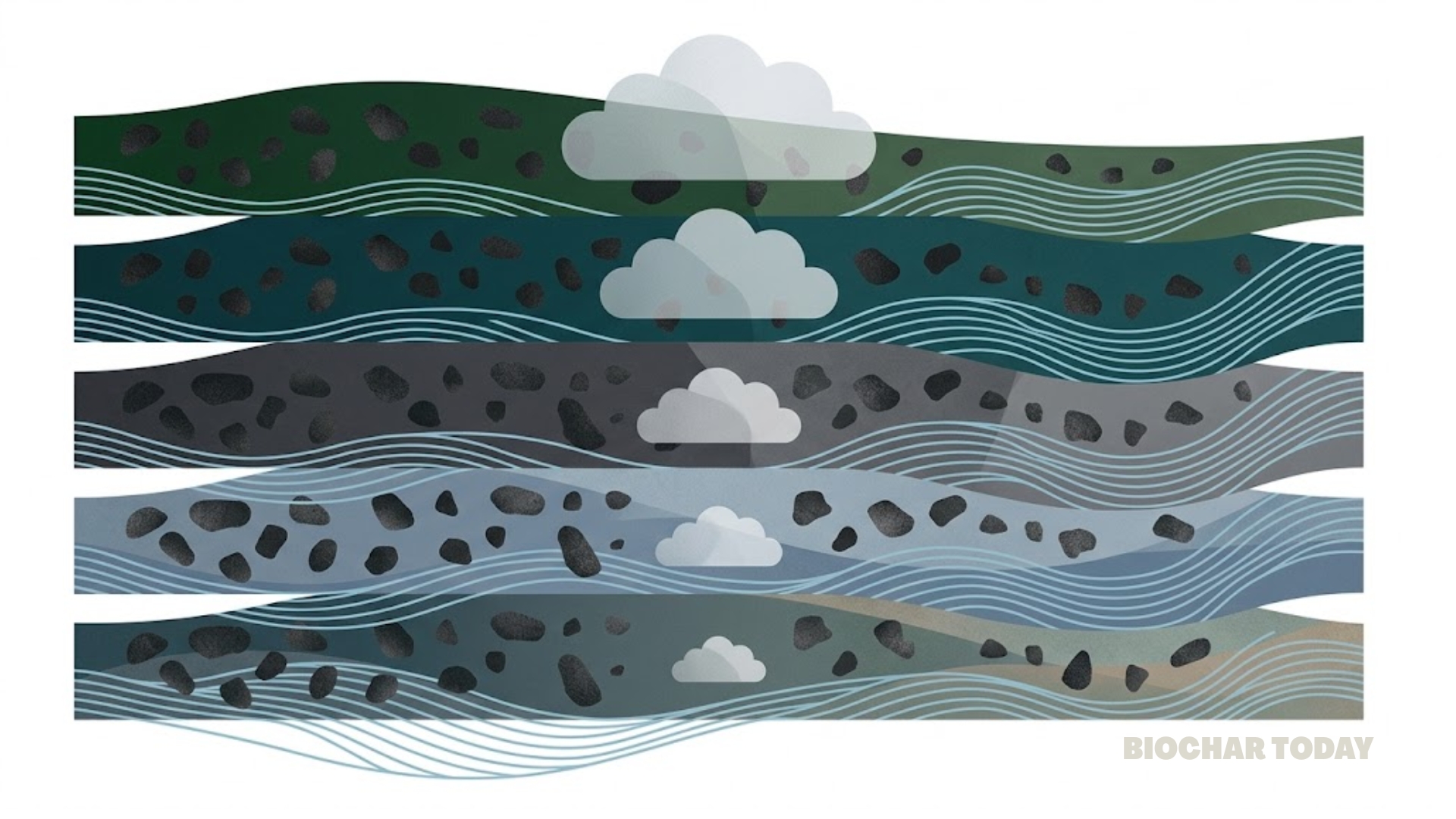
In a detailed study published in the journal Biochar, researchers Ruoyu Wang, Hongqiang Li, Naqi Cui, Chong Tang, Xiangping Wang, Wenping Xie, and Rongjiang Yao investigated how varying levels of soil salinity affect the longevity and chemical transformation of biochar. By simulating eight years of natural aging through repeated wet-dry cycles, the team discovered a surprising trend: the saltier the soil, the slower the biochar ages. This finding suggests that in some of the most difficult farming environments on Earth, biochar might actually be more durable and provide longer-lasting benefits than previously expected.
The quantitative results of the study revealed that biochar aged in low-salinity environments lost significant amounts of its original carbon. Specifically, the carbon content in lower-salinity samples dropped from nearly 55% to approximately 29%. In contrast, biochar placed in high-salinity soils retained much more of its original structure. By the end of the experiment, the oxygen-to-carbon ratio, which is a primary indicator of how much a material has oxidized or “aged,” was nearly 10% lower in the high-salinity samples compared to the low-salinity ones. This indicates that salt acts as a stabilizing force, preventing the biochar from reacting with oxygen and breaking down into the atmosphere.
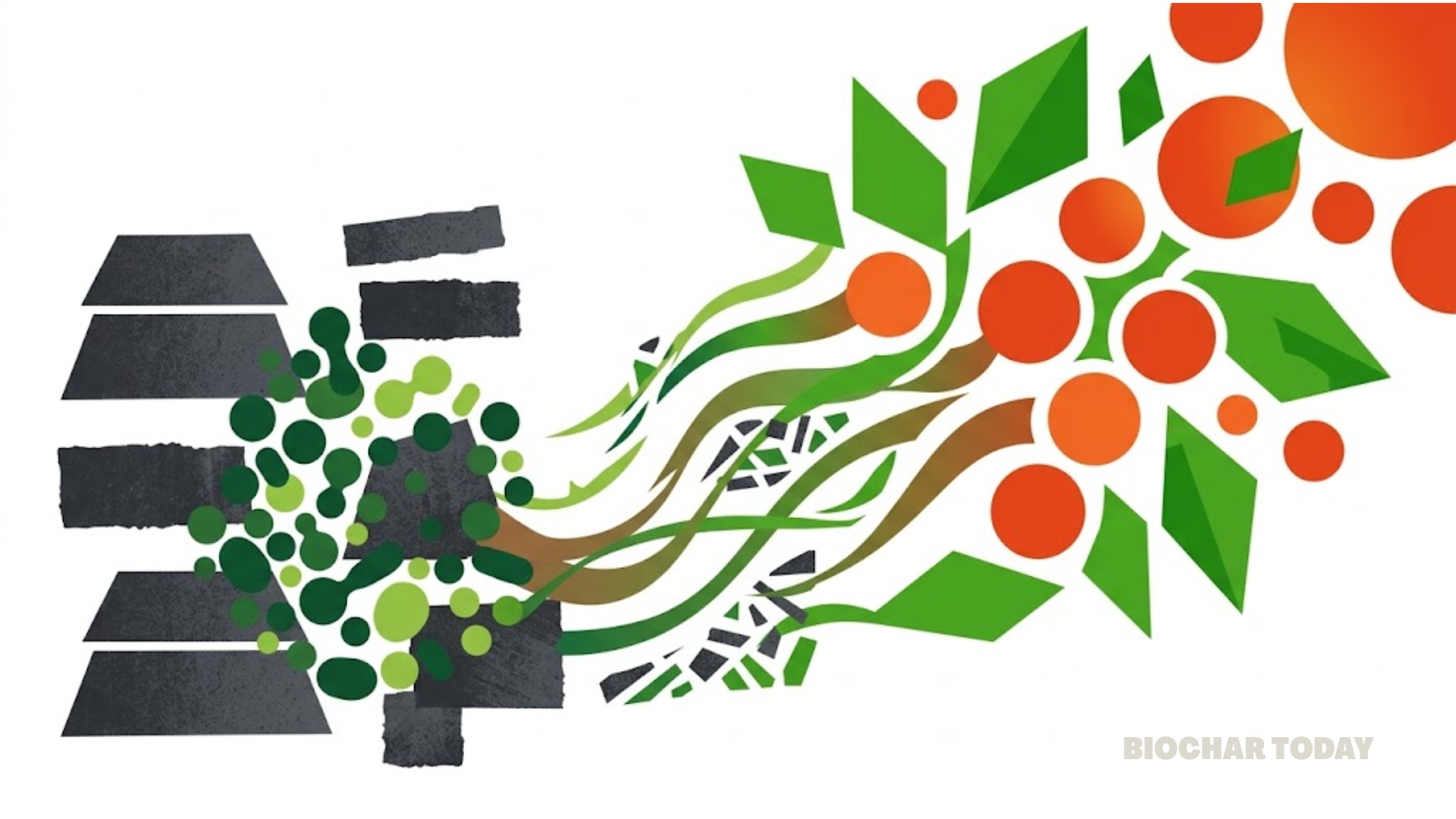
The researchers identified two main reasons for this preservation effect. First, the high concentration of minerals and salts in the soil created a physical barrier. These minerals adhered to the surface of the biochar and plugged its microscopic pores, forming a protective coating that shielded the carbon from environmental degradation. Second, the salt had a profound impact on the local biological community. While many bacteria can tolerate some salt, fungal populations were significantly suppressed in the high-salinity treatments. Because fungi are primary drivers in breaking down complex carbon structures, their absence meant the biochar remained largely intact and unconsumed.
Beyond just chemical changes, the study utilized advanced imaging to see how the physical shape of the biochar shifted. In low-salt conditions, the biochar became brittle, showing signs of fragmentation and structural damage. In the high-salt soils, while some changes occurred, the core integrity of the material was better preserved. This suggests that the “shelter” biochar provides for beneficial microbes remains functional for a longer duration in salty environments. These findings provide a more optimistic outlook for carbon sequestration efforts, as they show that biochar applied to saline-alkali lands will stay in the soil longer, helping to rebuild the land’s health over several years.
Ultimately, this research clarifies the complex relationship between soil chemistry and carbon stability. For land managers working in coastal or salt-affected regions, these results provide a theoretical foundation for using biochar as a long-term solution. By understanding that salinity naturally retards the aging process, practitioners can better predict how much biochar is needed and how often it should be reapplied to maintain soil productivity. This study moves us one step closer to optimizing sustainable agricultural practices in some of the world’s most challenging environmental conditions.
Source: Wang, R., Li, H., Cui, N., Tang, C., Wang, X., Xie, W., & Yao, R. (2026). Increased soil salinization slows biochar aging and limits microbial colonization. Biochar, 8(72).


Leave a Reply