
A Canadian startup, SilvaChar Environmental Inc., is turning wood waste into biocharBiochar is a carbon-rich material created from biomass decomposition in low-oxygen conditions. It has important applications in environmental remediation, soil improvement, agriculture, carbon sequestration, energy storage, and sustainable materials, promoting efficiency and reducing waste in various contexts while addressing climate change challenges. More, a soil additive that also locks away carbon for centuries. Founded by Kevin Smith, the company tackles a major environmental challenge: each year, B.C. burns five million tons of forest slash, releasing vast amounts of greenhouse gases. Instead of burning, SilvaChar transforms this waste into biochar through a process called pyrolysisPyrolysis is a thermochemical process that converts waste biomass into bio-char, bio-oil, and pyro-gas. It offers significant advantages in waste valorization, turning low-value materials into economically valuable resources. Its versatility allows for tailored products based on operational conditions, presenting itself as a cost-effective and efficient More, which heats organic material in low-oxygen conditions.
Biochar improves soil health by increasing crop yields, reducing water and fertilizer use, and preventing nutrient runoff that can pollute waterways. While the process is ancient, with roots in the Amazonian “terra pretaTerra preta, meaning “black earth” in Portuguese, is a type of highly fertile soil found in the Amazon Basin. It is characterized by its high biochar content, which contributes to its long-term fertility and ability to support productive agriculture More” farming method, its modern application is gaining traction globally. SilvaChar’s approach builds on technology from Takachar, a company that won Prince William’s Earthshot Prize for developing portable biochar production systems.
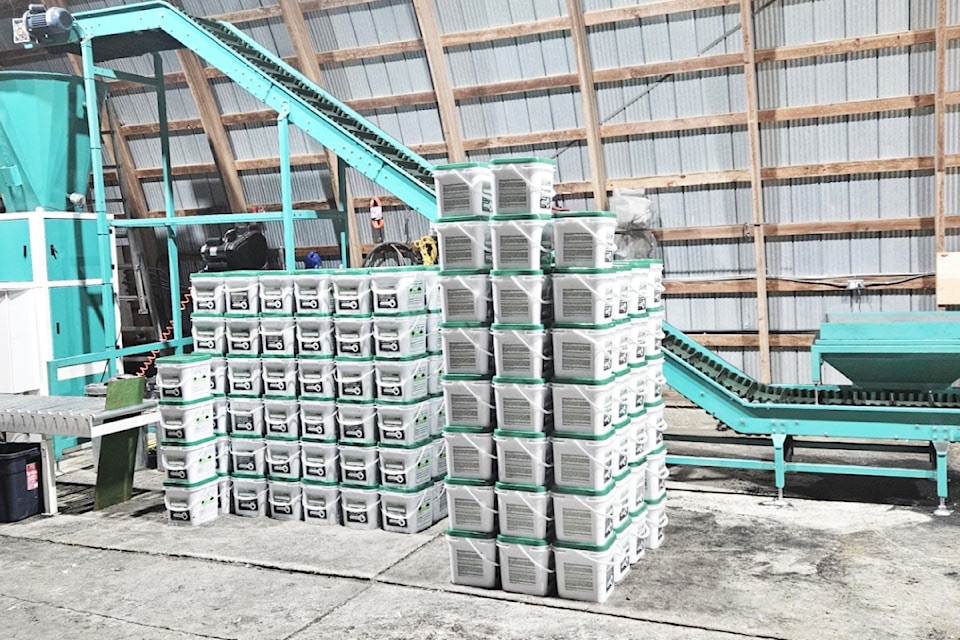
Initially tested in forest cutblocks, SilvaChar’s operation is now based in Deep Creek, where wood waste is processed into biochar, sorted into different grades, and packaged in compostable bags. The plant is run by Kevin and a small team, including co-op students from Takachar, and is partially funded through carbon credits purchased by companies to offset emissions.
Biochar from SilvaChar is now available at local nurseries and online, with outreach to farmers and golf courses. Looking ahead, Kevin hopes to expand biochar’s use in construction materials and road paving, and ultimately provide an alternative to large-scale wood waste burning in B.C., supporting the province’s Net Zero goals by 2050.
LEARN MORE: VIEWPOINT: Shuswap startup industry turning wood waste into gold



Leave a Reply