

Yin, et al (2024) Mitigating invasive species using biocharBiochar is a carbon-rich material created from biomass decomposition in low-oxygen conditions. It has important applications in environmental remediation, soil improvement, agriculture, carbon sequestration, energy storage, and sustainable materials, promoting efficiency and reducing waste in various contexts while addressing climate change challenges. More derived from invasive plants in saline-alkaline wetland plant communities dominated by Amaranthus palmeri. Applied Vegetation Science. https://doi.org/10.1111/avsc.12801
Invasive plant species, like Amaranthus palmeri, pose a significant threat to biodiversity and ecosystem stability, particularly in saline-alkaline wetlands. Traditional methods of managing these species, such as physical removal or herbicide application, often prove ineffective and environmentally harmful. A novel approach being explored is the use of biochar derived from invasive plants themselves. Biochar, a carbon-rich material produced through the pyrolysisPyrolysis is a thermochemical process that converts waste biomass into bio-char, bio-oil, and pyro-gas. It offers significant advantages in waste valorization, turning low-value materials into economically valuable resources. Its versatility allows for tailored products based on operational conditions, presenting itself as a cost-effective and efficient More of organic matter, has shown potential in altering soil properties and suppressing invasive species while promoting the growth of native plants.
A recent study conducted in a saline-alkaline wetland in Tianjin, China, focused on the effects of biochar produced from A. palmeri and Spartina alterniflora. The study evaluated the impacts of varying biochar application rates on plant community dynamics. Results showed that biochar significantly reduced the biomassBiomass is a complex biological organic or non-organic solid product derived from living or recently living organism and available naturally. Various types of wastes such as animal manure, waste paper, sludge and many industrial wastes are also treated as biomass because like natural biomass these More, abundance, and height of invasive plants while improving the performance of native species. Notably, biochar derived from S. alterniflora was more effective than A. palmeri biochar in altering community structure and reducing the dominance of invasive species.
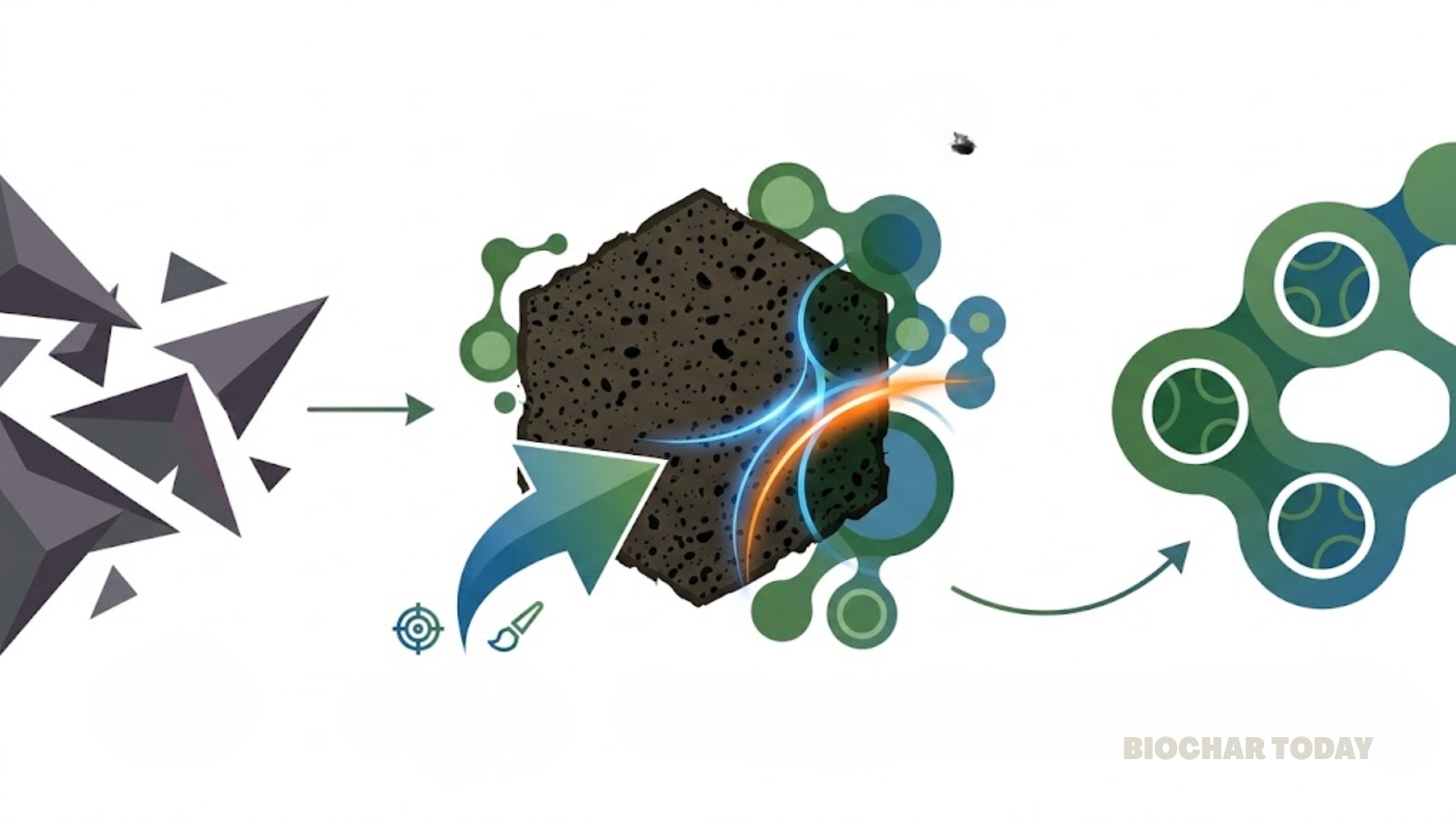
The research highlights that biochar not only suppresses the growth of invasives but also reshapes the ecological niches within plant communities, reducing competition between invasive and native species. This innovative method holds promise for sustainable invasive species management and ecosystem restoration, offering a targeted and eco-friendly solution to a growing global issue.



Leave a Reply