

Aktar, et al (2024) Immobilization of Heavy Metals in BiocharBiochar is a carbon-rich material created from biomass decomposition in low-oxygen conditions. It has important applications in environmental remediation, soil improvement, agriculture, carbon sequestration, energy storage, and sustainable materials, promoting efficiency and reducing waste in various contexts while addressing climate change challenges. More Derived from Biosolids: Effect of Temperature and Carrier Gas. Soil Systems. https://doi.org/10.3390/soilsystems8040117
Biochar derived from biosolids is gaining attention as a sustainable solution for managing heavy metal contamination in soils. A recent study explored how pyrolysisPyrolysis is a thermochemical process that converts waste biomass into bio-char, bio-oil, and pyro-gas. It offers significant advantages in waste valorization, turning low-value materials into economically valuable resources. Its versatility allows for tailored products based on operational conditions, presenting itself as a cost-effective and efficient More temperature and carrier gases impact the transformation of biosolids into biochar, focusing on heavy metal immobilization and ecological safety.
Using slow pyrolysis at three temperatures (400°C, 500°C, and 600°C) and two carrier gases (CO2 and N2), researchers produced biochar in a controlled environment. The results revealed that higher temperatures increased the concentration of heavy metals like zinc, copper, and lead due to the loss of organic mass. However, these metals transitioned from bioavailable forms to stable forms, reducing their ecological risks. Biochar produced at 500°C and 600°C showed the most significant reduction in heavy metal bioavailability, especially when N2 was used as a carrier gas.
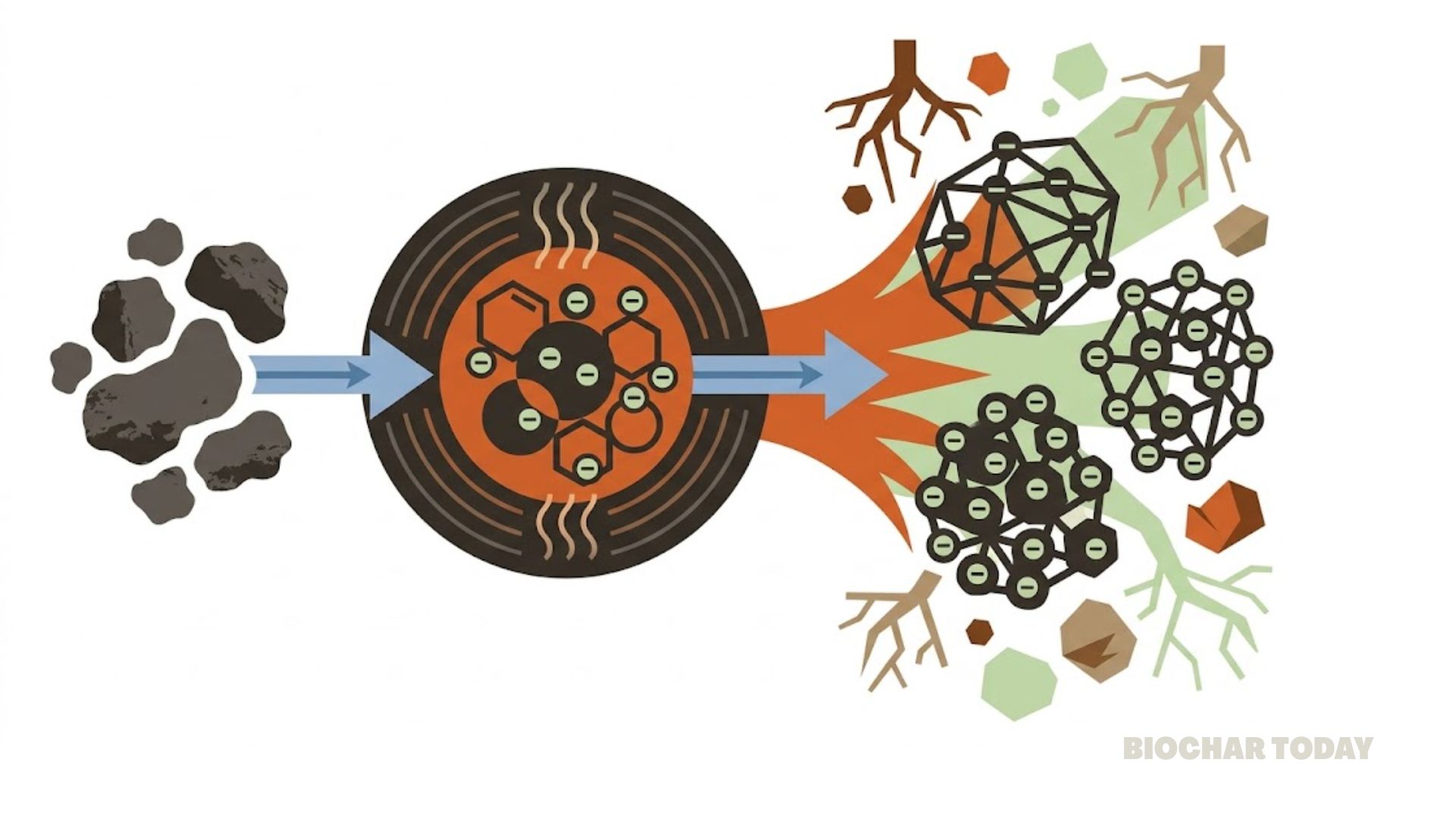
CO2-based pyrolysis resulted in biochar with enhanced surface properties, increasing its potential for immobilizing heavy metals. However, biochars produced under N2 had lower ecological risks, making them preferable for safer land applications. By reducing the environmental toxicity of biosolids, biochar can address the dual challenges of waste management and soil contamination.
This study underscores the importance of optimizing pyrolysis conditionsThe conditions under which pyrolysis takes place, such as temperature, heating rate, and residence time, can significantly affect the properties of the biochar produced. More to produce biochar that balances ecological safety and functionality. As industries and municipalities grapple with biosolid disposal, biochar presents a promising, eco-friendly alternative for improving soil health while mitigating heavy metal risks.



Leave a Reply