
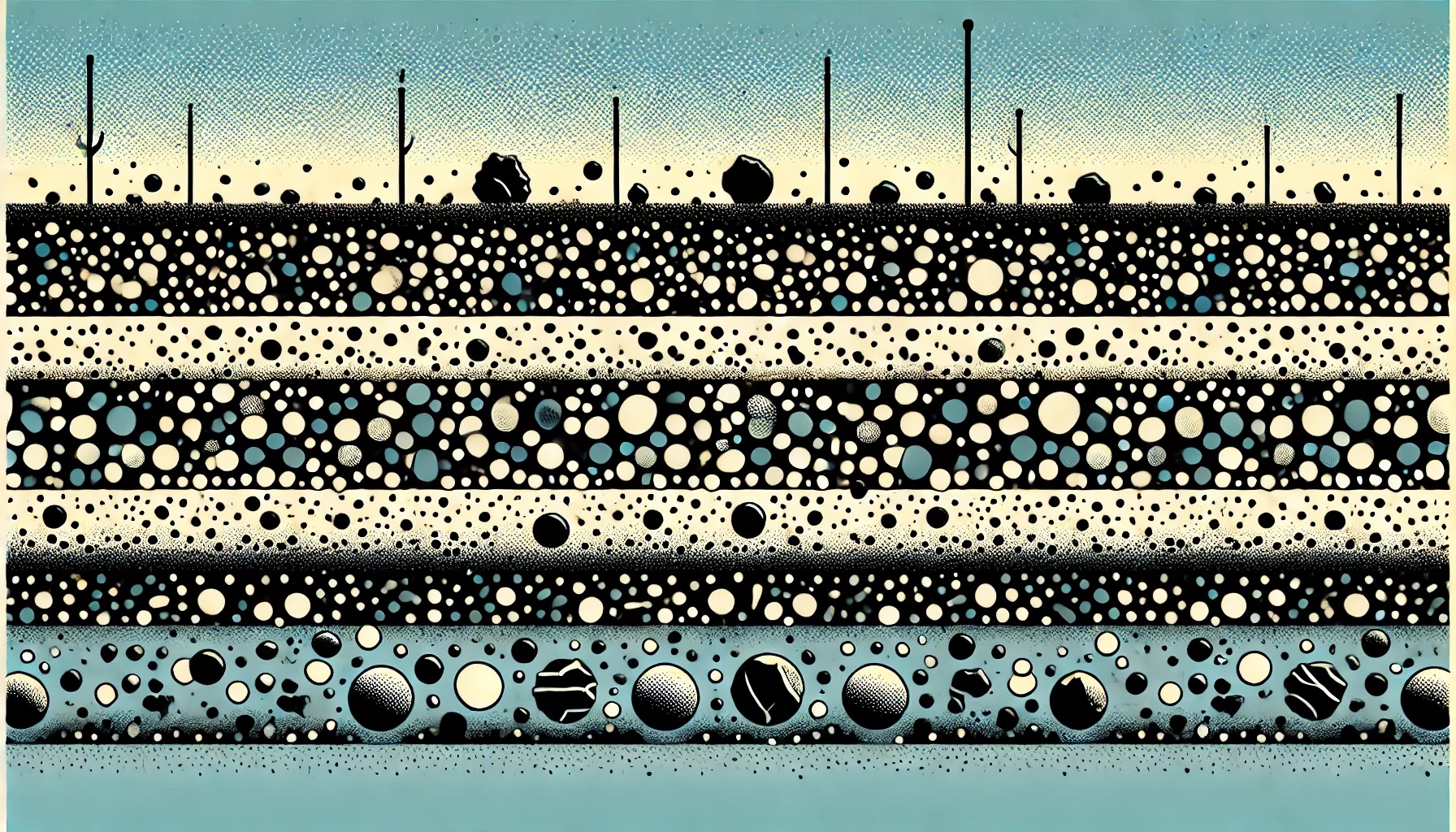

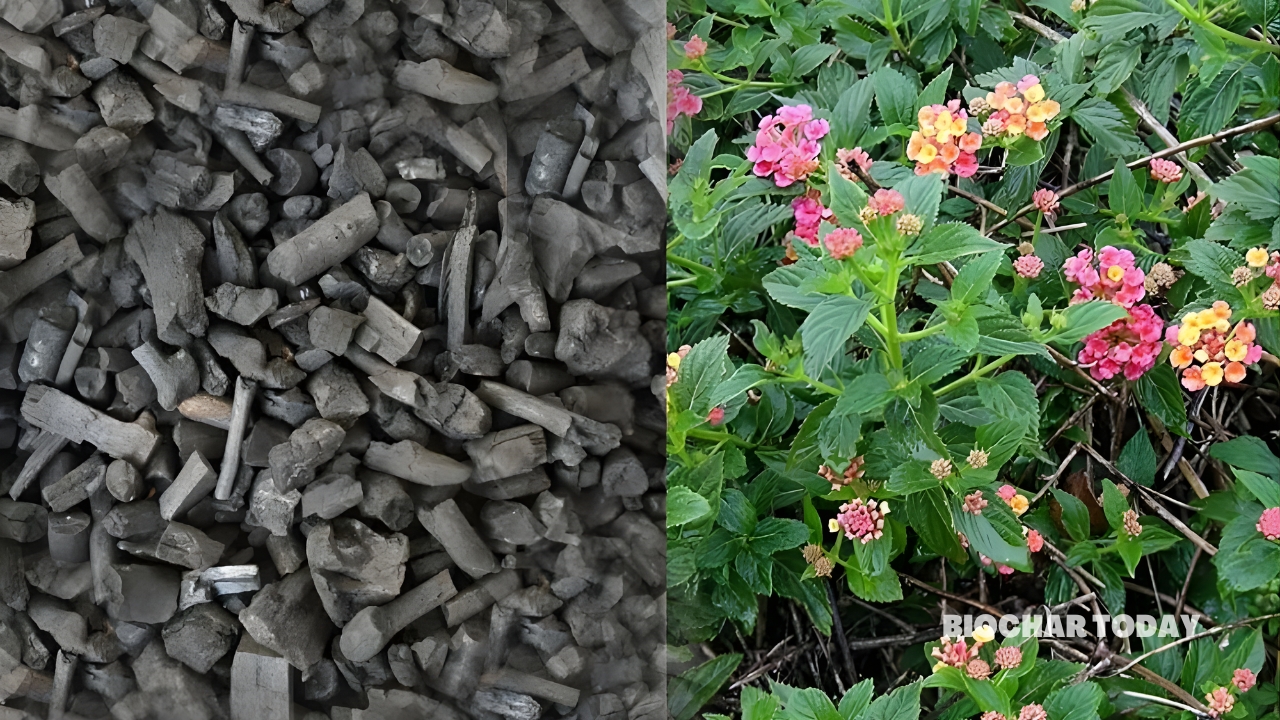
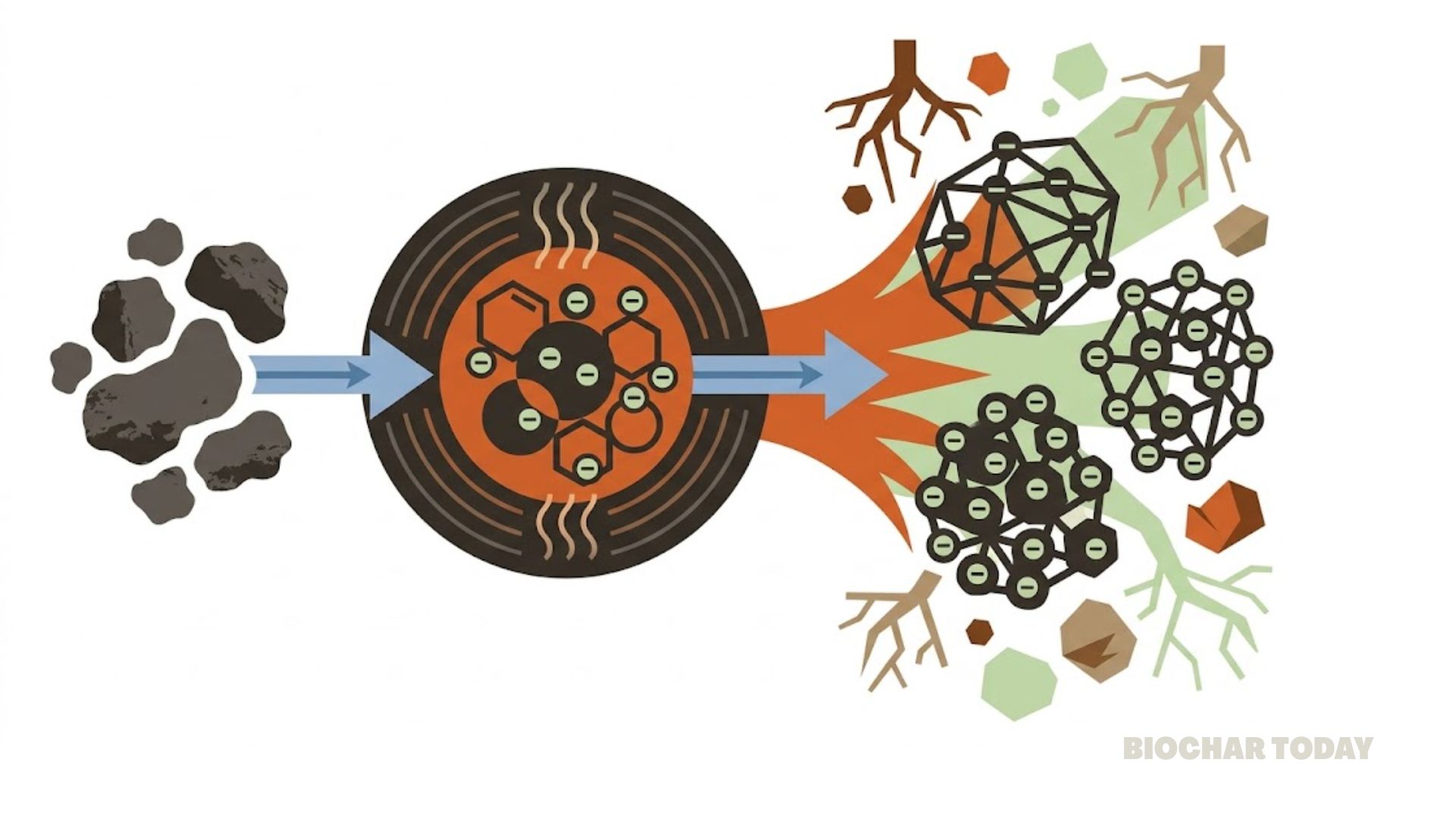
BiocharBiochar is a carbon-rich material created from biomass decomposition in low-oxygen conditions. It has important applications in environmental remediation, soil improvement, agriculture, carbon sequestration, energy storage, and sustainable materials, promoting efficiency and reducing waste in various contexts while addressing climate change challenges. More is increasingly used to remediate contaminated soils, offering benefits like nutrient retention and pollutant immobilization. However, new research highlights a potential long-term risk associated with sulfamethoxazole (SMX), a widely-used antibiotic, in biochar-amended soils.
A study published in Bioresource Technology explores how SMX interacts with different soil fractions in biochar-soil systems. SMX can exist in labile, stably-adsorbed, bound-residual (BR), and non-extractable fractions. While BR and non-extractable fractions are often considered endpoints in pollution assessments, the study reveals that SMX can migrate from BR fractions back into more mobile forms, potentially re-entering the environment.
Biochar application increased the BR fraction of SMX by 8.5–14.1% and its non-extractable fraction by 17.9–36.9%. However, simulations showed that SMX in the BR fraction still poses a release risk, with its half-life extending to 93.8–132.0 days. This dynamic migration suggests that the BR fraction may not be as stable as previously thought, raising concerns about the long-term ecological risks of biochar use.
The findings emphasize the need for careful evaluation of biochar applications in soil remediation. While biochar offers promising benefits, understanding the behavior of contaminants like SMX in different soil fractions is critical for designing sustainable and effective strategies to address soil pollution.


Leave a Reply