


The Qinghai-Tibet Plateau, known as the “Roof of the World,” serves as a vital ecological security barrier in China. However, its unique environmental challenges have made waste management and ecological restoration particularly complex. Addressing these challenges, a new review proposes the utilization of biochar technology as a promising solution to manage the plateau’s solid waste biomass and mitigate ecological degradation.
The plateau’s fragile environment is characterized by a cold, hypoxic climate, and thin soil layers, which hinder the effectiveness of conventional biological, physical, and chemical remediation methods. Traditional waste management practices, such as landfilling and incineration, pose significant ecological risks due to the region’s vulnerability to pollution. As a result, the management and disposal of diverse waste streams, including sewage sludge, agricultural residues like barley straw, food waste, and unique local residues from Tibetan tea and medicine production, require innovative approaches.
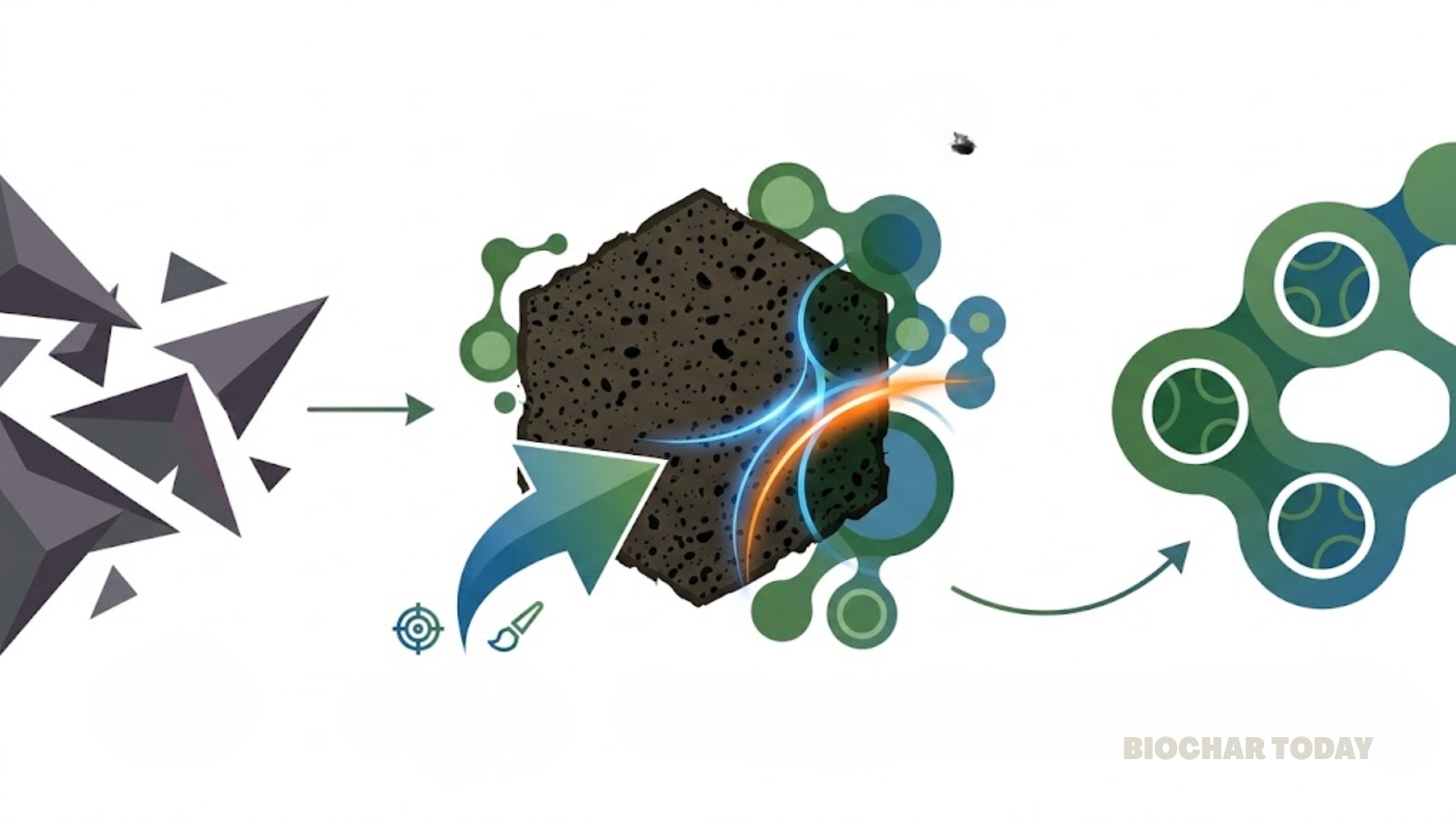
Biochar, a product of biomass pyrolysisPyrolysis is a thermochemical process that converts waste biomass into bio-char, bio-oil, and pyro-gas. It offers significant advantages in waste valorization, turning low-value materials into economically valuable resources. Its versatility allows for tailored products based on operational conditions, presenting itself as a cost-effective and efficient More under limited oxygen conditions, emerges as an effective material for environmental management on the plateau. With its large surface area, rich pore structure, and functional groups, biochar can adsorb heavy metals and other pollutants, facilitating their removal from the environment. The review highlights the potential for transforming various local waste materials into biochar, leveraging the plateau’s abundant solar energy resources to drive the pyrolysis process.
The use of solar pyrolysis, a method that utilizes the high solar radiation on the plateau, and UV radiation modification technologies, are particularly promising. These methods enhance the biochar’s performance and contribute to the passivation of heavy metals, thereby improving soil and water quality. Furthermore, the development of mixed pyrolysis techniques that combine different types of biomass can optimize the characteristics of the resulting biochar, maximizing its environmental benefits.
In conclusion, the implementation of biochar technology on the Qinghai-Tibet Plateau offers a sustainable strategy for waste management and ecological restoration. It not only addresses the pressing issue of waste accumulation but also contributes to the preservation of this ecologically sensitive region. By converting waste into valuable biochar, the plateau can reduce its environmental footprint, promoting a greener future for one of the most pristine areas on Earth.




Leave a Reply