
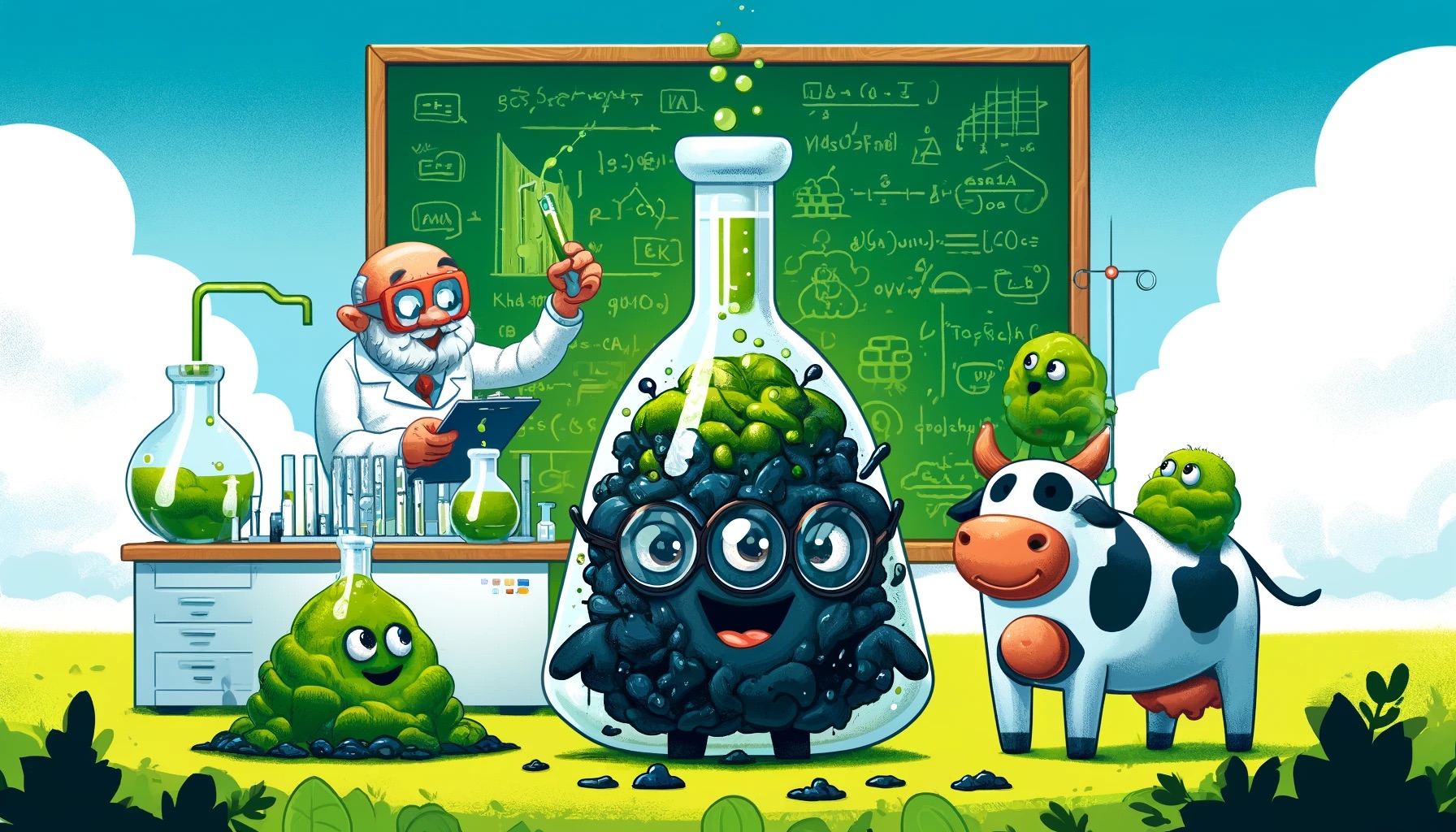

In an intriguing dance of science and sustainability, researchers have taken a significant step toward optimizing biogas production using biochar, cattle manure, and green algae. The study, led by Halil Şenol and colleagues, delves into the intricate process of enhancing biogas yield through the anaerobic co-digestion of cattle manure and green algae, with a special focus on biochar optimization.
By employing artificial neural networks (ANN) and response surface methodology (RSM), the researchers explored how different doses of ozonated and ultrasonically pretreated biochar (BC) influenced biogas yields. The magic number was 150 mg of biochar, which propelled the biogas yield to a remarkable 717 mL/g volatile solids (VS), a substantial leap from the 176 mL/g VS achieved with cattle manure and green algae alone.
The study found that in the absence of a specific culture, the optimal dose of ultrasonic pretreated biochar was 29.23 mg, resulting in a biogas yield of 340.50 mL/g VS. With the culture present, the optimal dose of ozonated biochar was 55.96 mg, pushing the yield to 660.40 mL/g VS. The ANN model emerged as the superior predictive tool, outperforming RSM in accuracy and reliability.
These findings underscore the potential of biochar as a game-changer in renewable energy production. By optimizing biochar doses, we can significantly enhance the efficiency of biogas production, making it a more viable and sustainable energy source. This research not only paves the way for greener energy but also highlights the innovative use of AI in environmental science, bringing us closer to a sustainable future.



Leave a Reply