
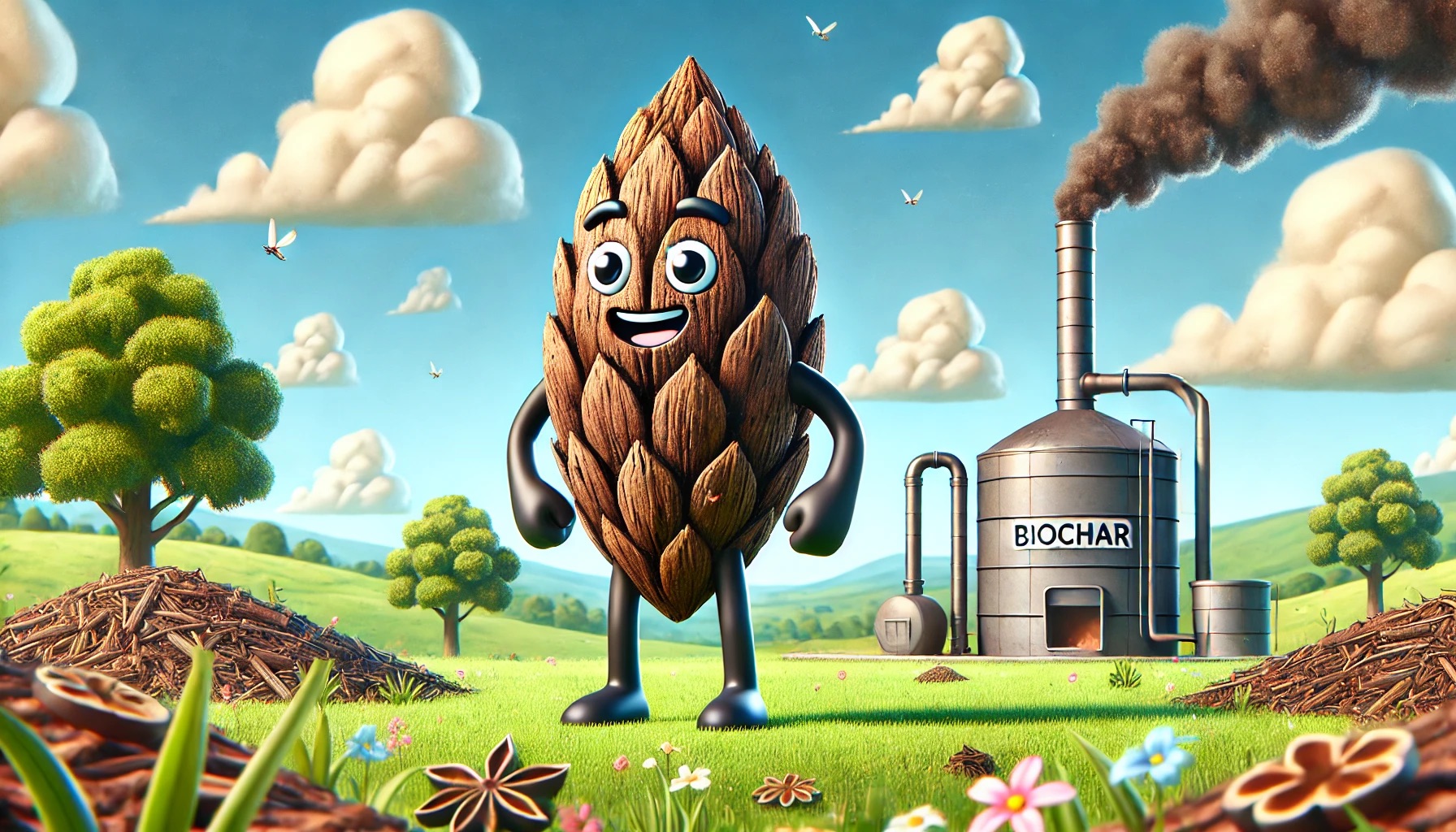

Pyrolysis is a thermochemical process that converts organic material into biochar, bio-oil, and syngasSyngas, or synthesis gas, is a fuel gas mixture consisting primarily of hydrogen and carbon monoxide. It is produced during gasification and can be used as a fuel source or as a feedstock for producing other chemicals and fuels. More in the absence of oxygen. This process is gaining attention for its potential to address environmental challenges and energy security issues. BiomassBiomass is a complex biological organic or non-organic solid product derived from living or recently living organism and available naturally. Various types of wastes such as animal manure, waste paper, sludge and many industrial wastes are also treated as biomass because like natural biomass these More, considered a renewable and carbon-neutral resource, plays a significant role in this context. Pyrolysis can be categorized into three types: slow, fast, and advanced, each yielding different products based on the method and conditions employed.
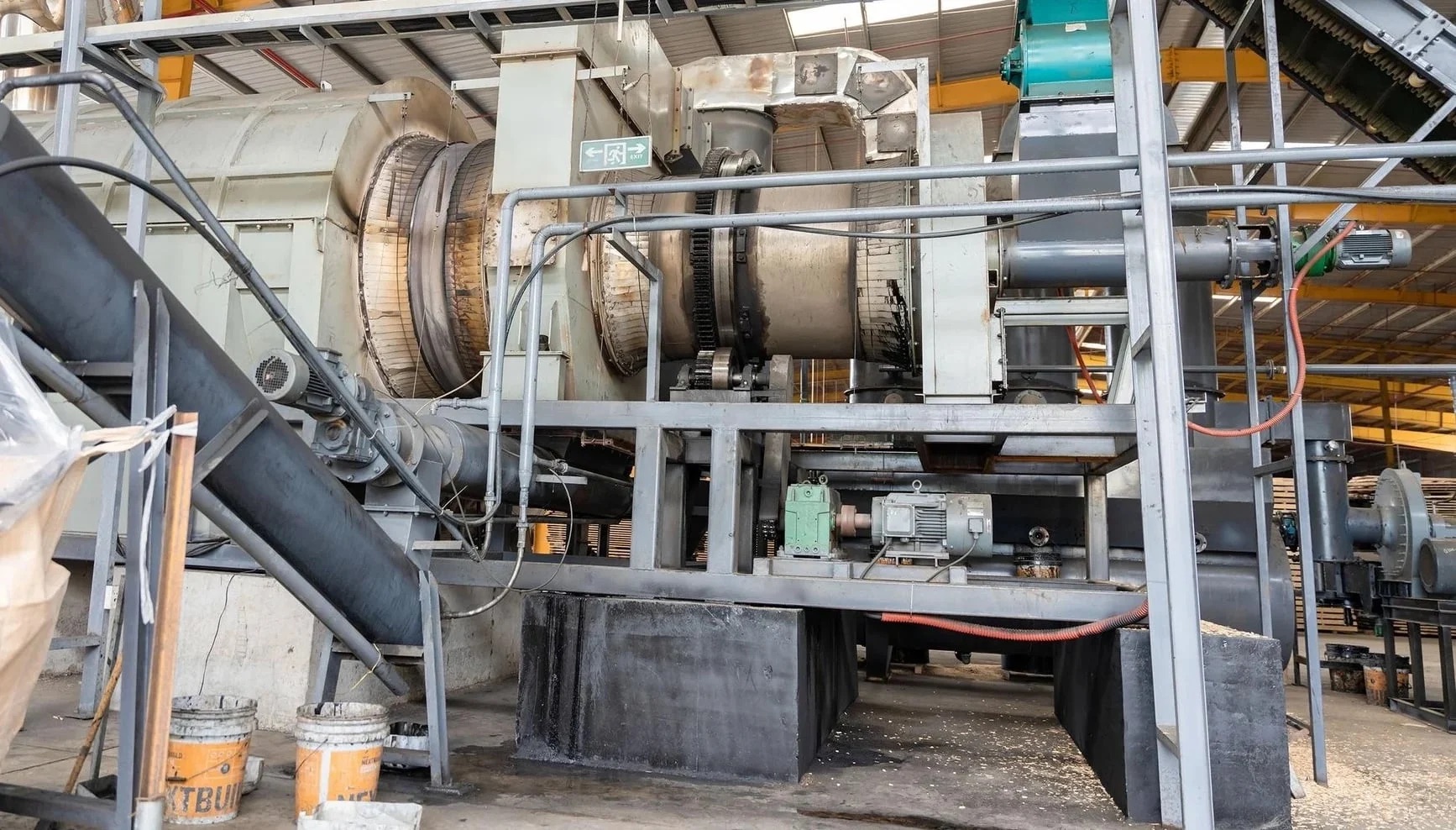
Slow pyrolysis is characterized by a low heating rate and long residence timeResidence time refers to the duration that the biomass is heated during the pyrolysis process. The residence time can influence the properties of the biochar produced. More, typically producing a high yield of biochar. This method is particularly beneficial for soil enhancement and carbon sequestration. Common reactors used in slow pyrolysis include fixed-bed, auger, and rotary-kiln reactors. These reactors facilitate the breakdown of biomass into biochar through thermal decomposition at moderate temperatures (300-500°C).
Fast pyrolysis, on the other hand, operates at higher temperatures (800-1250°C) with rapid heating rates and short residence times. This method primarily produces bio-oil, a liquid fuel with a heating value approximately half that of crude oil. Fast pyrolysis is typically conducted in fluidized-bed reactors, which ensure efficient heat transfer and product collection. This method is advantageous for its ability to convert a wide range of biomass feedstocks into valuable liquid fuels.
Advanced pyrolysis technologies encompass several innovative approaches, including flash, vacuum, microwave, plasma, and solar pyrolysis. Flash pyrolysis operates at extremely high heating rates and produces a high yield of bio-oil. Vacuum pyrolysis enhances bio-oil production by operating under reduced pressure, which minimizes secondary reactions. Microwave pyrolysis uses microwave radiation to heat biomass, resulting in uniform heating and efficient conversion. Plasma pyrolysis employs high-energy plasma to decompose biomass, offering benefits such as low tar content and high gas yields. Solar pyrolysis utilizes concentrated solar energy to achieve the required temperatures for biomass conversion, making it an environmentally friendly option.
The choice of pyrolysis method and reactor depends on the desired product and specific application. For instance, slow pyrolysis is suitable for producing biochar for soil amendmentA soil amendment is any material added to the soil to enhance its physical or chemical properties, improving its suitability for plant growth. Biochar is considered a soil amendment as it can improve soil structure, water retention, nutrient availability, and microbial activity. More, while fast pyrolysis is ideal for generating bio-oil for energy. Advanced pyrolysis technologies offer flexibility and efficiency, making them suitable for various applications and feedstocks.
The environmental benefits of pyrolysis are significant. By converting biomass into biochar, bio-oil, and syngas, pyrolysis reduces waste and greenhouse gas emissions. Biochar can sequester carbon in soils, improving soil fertility and reducing carbon dioxide levels in the atmosphere. Bio-oil can serve as a renewable energy source, reducing reliance on fossil fuels. Syngas can be used for power generation, further enhancing the sustainability of the process.
In conclusion, pyrolysis is a promising technology for waste management and renewable energy production. It offers a sustainable solution to environmental challenges by converting biomass into valuable products while reducing greenhouse gas emissions. Future advancements in reactor design, process optimization, and integration with other renewable energy technologies will enhance the efficiency and scalability of pyrolysis, making it a vital component of sustainable waste management and energy systems.



Leave a Reply