

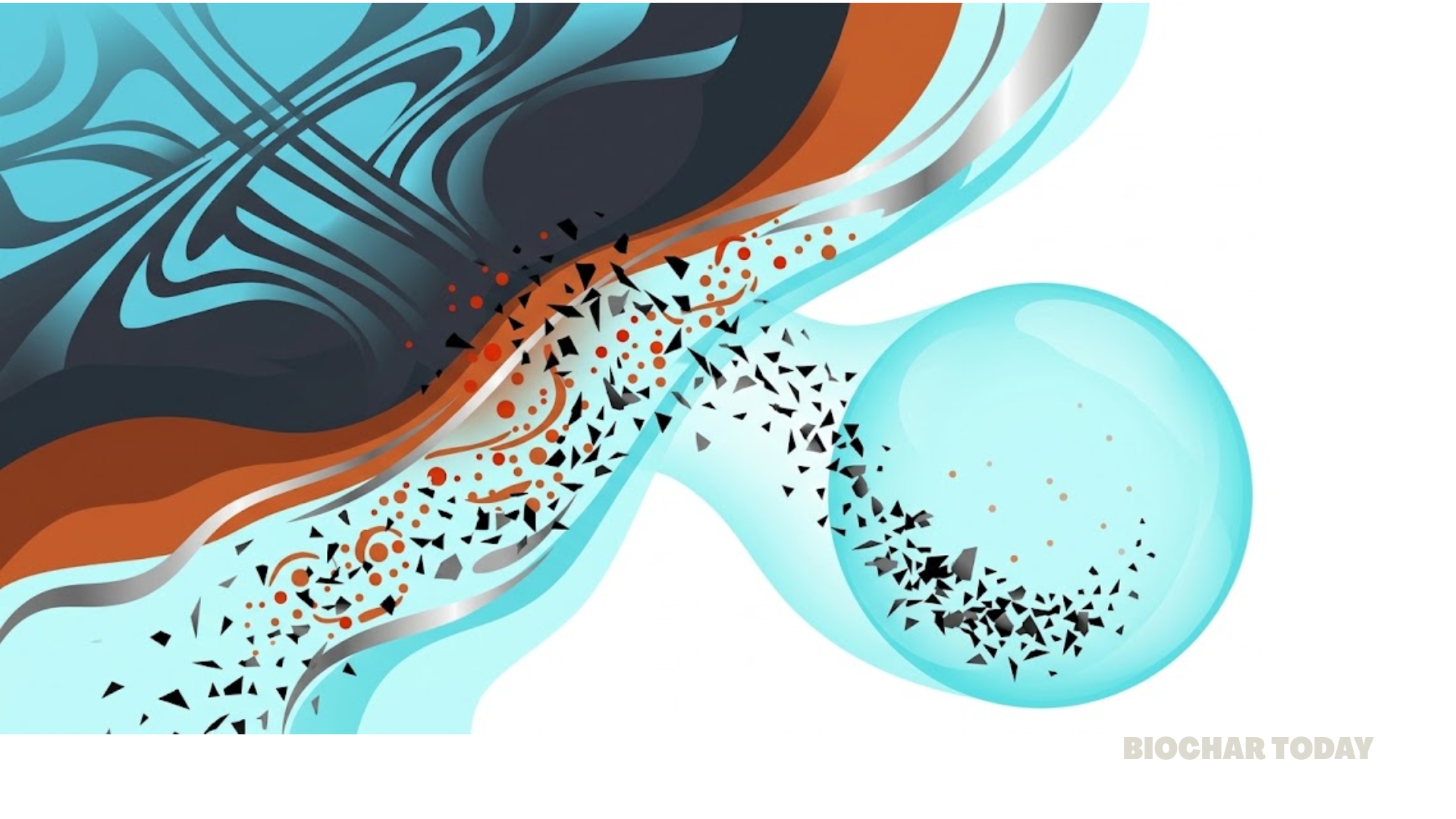
A recent study published in the International Journal of Biological Macromolecules unveils a novel N, B-co-doped porous biochar derived from cellulose aerogel, demonstrating significant potential for CO2 capture and supercapacitor applications. The research, led by Jianfei Xiao and colleagues, employs a modified alkali-urea method to synthesize this innovative material, which is activated using potassium citrate.
The study highlights several key advancements:
- Efficient Synthesis: Using a modified alkali-urea method, N and B atoms are doped in situ into the cellulose aerogel. Potassium citrate acts both as an activator and a salt template, creating a well-defined nanostructure.
- High CO2 Capture: The resulting biochar exhibits a superior CO2 adsorption capacity of 4.19 mmol·g⁻¹ at 298 K and 100 kPa, along with high selectivity and exceptional reusability.
- Enhanced Supercapacitor Performance: The N, B-co-doped biochar delivers a high specific capacitance of 220.9 F·g⁻¹ at 1 A·g⁻¹, and the symmetric supercapacitor exhibits an energy density of 9 Wh·kg⁻¹ at a power density of 100 W·kg⁻¹.
The cellulose-based aerogel is derived from linters, a sustainable and cost-effective biomassBiomass is a complex biological organic or non-organic solid product derived from living or recently living organism and available naturally. Various types of wastes such as animal manure, waste paper, sludge and many industrial wastes are also treated as biomass because like natural biomass these More, making this approach both environmentally friendly and scalable. This study not only introduces a promising bifunctional material for environmental and energy applications but also provides insights into the use of mild organic activators for biochar production.
The research underscores the potential of N, B-co-doped porous biochar in addressing critical challenges in CO2 capture and electrochemical energy storage, offering a pathway to scalable, efficient, and sustainable solutions.


Leave a Reply