

Shahzad, et al (2024) Modern perspectives of heavy metals alleviation from oil contaminated soil: A review. Ecotoxicology and Environmental Safety. https://doi.org/10.1016/j.ecoenv.2024.116698
Heavy metal contamination in soils, particularly due to oil spills, is a critical environmental issue with significant implications for ecosystems and human health. Heavy metals such as lead (Pb), cadmium (Cd), chromium (Cr), and mercury (Hg) are persistent pollutants that can be toxic even at low concentrations, leading to various health problems for living organisms. This contamination affects soil quality, plant growth, and water resources, necessitating effective remediation strategies.
The review highlights several modern remediation methods for alleviating heavy metal contamination in oil-contaminated soils. These methods include physical, chemical, biological, and nano-based approaches, each with its own advantages and limitations. The integration of these methods often yields better results, enhancing sustainability and efficacy.
Physical Approaches
Physical methods, such as soil washing, soil replacement, and encapsulation, involve the physical removal or containment of contaminants. Thermal treatment is another technique where soil is heated to volatilize contaminants, which are then captured and removed. While these methods can be effective, they are often costly, labor-intensive, and not always suitable for large-scale applications.
Chemical Approaches
Chemical remediation involves the use of chemicals to stabilize or remove heavy metals from soils. Techniques like soil amendmentA soil amendment is any material added to the soil to enhance its physical or chemical properties, improving its suitability for plant growth. Biochar is considered a soil amendment as it can improve soil structure, water retention, nutrient availability, and microbial activity. More with lime or phosphate can reduce metal bioavailability. Chelating agents, which bind to heavy metals, can also be used to extract metals from the soil. However, chemical methods may lead to secondary pollution and require careful management to avoid environmental damage.
Biological Approaches
Bioremediation utilizes microorganisms to detoxify or immobilize heavy metals. Certain bacteria, fungi, and plants have the ability to accumulate, transform, or degrade heavy metals, making them useful for remediation. PhytoremediationThis is a technique that uses plants to clean up contaminated soil or water. Biochar can enhance phytoremediation by improving soil conditions and promoting plant growth, allowing plants to absorb and break down pollutants more effectively. More, a subset of bioremediation, uses plants to extract or stabilize heavy metals. These biological methods are cost-effective and environmentally friendly but may require longer timeframes to achieve desired results.
Nano-Based Approaches
Nanotechnology offers innovative solutions for heavy metal remediation. Nanoparticles, due to their small size and high reactivity, can effectively adsorb or transform heavy metals. Various nanoparticles, including zero-valent iron (nZVI), titanium dioxide (TiO2), and silver nanoparticles (AgNPs), have shown promise in removing heavy metals from contaminated soils. These nanoparticles can enhance the efficiency of traditional remediation methods and offer new possibilities for in-situ and ex-situ applications.
BiocharBiochar is a carbon-rich material created from biomass decomposition in low-oxygen conditions. It has important applications in environmental remediation, soil improvement, agriculture, carbon sequestration, energy storage, and sustainable materials, promoting efficiency and reducing waste in various contexts while addressing climate change challenges. More as a Remediation Tool
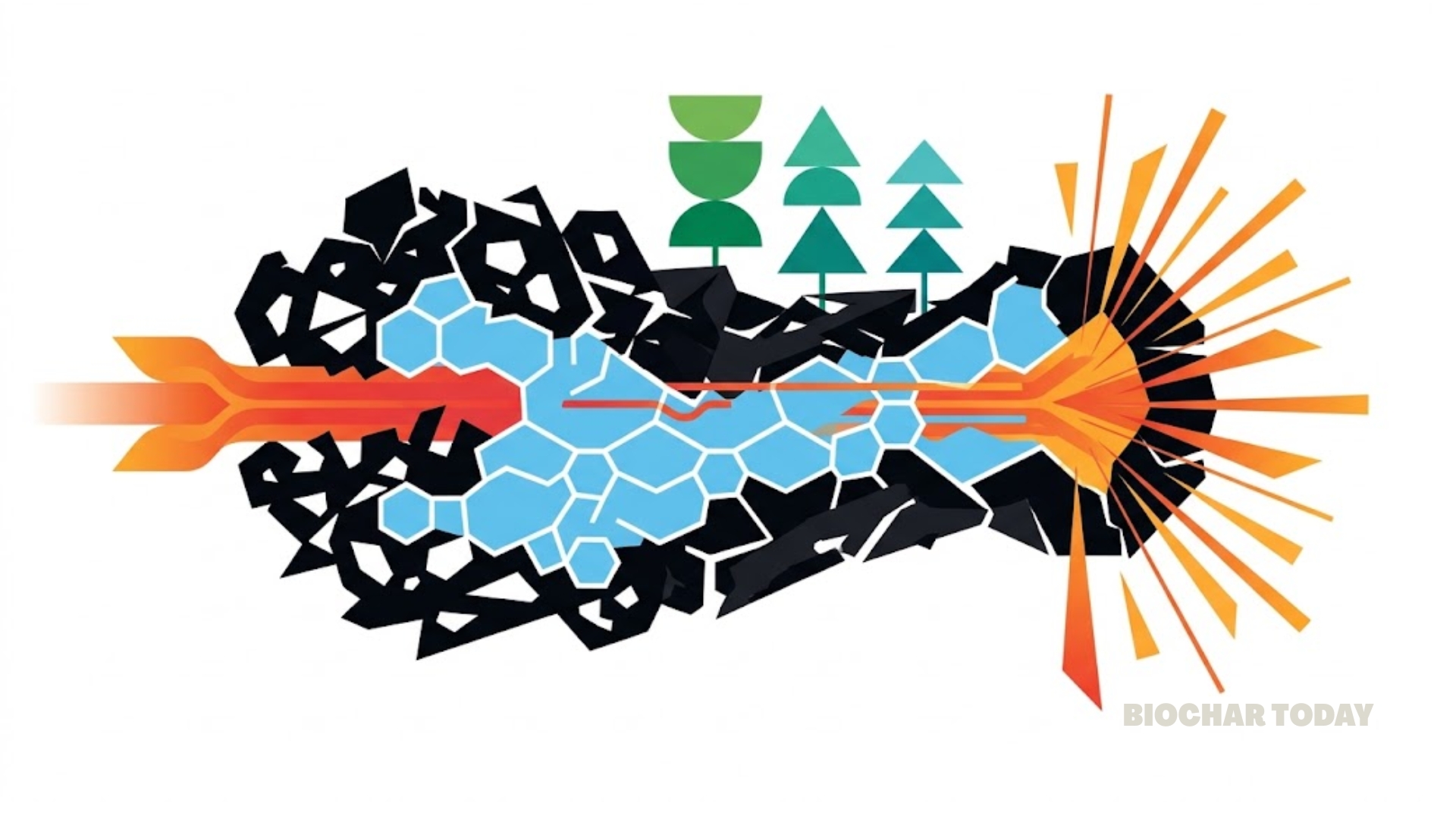
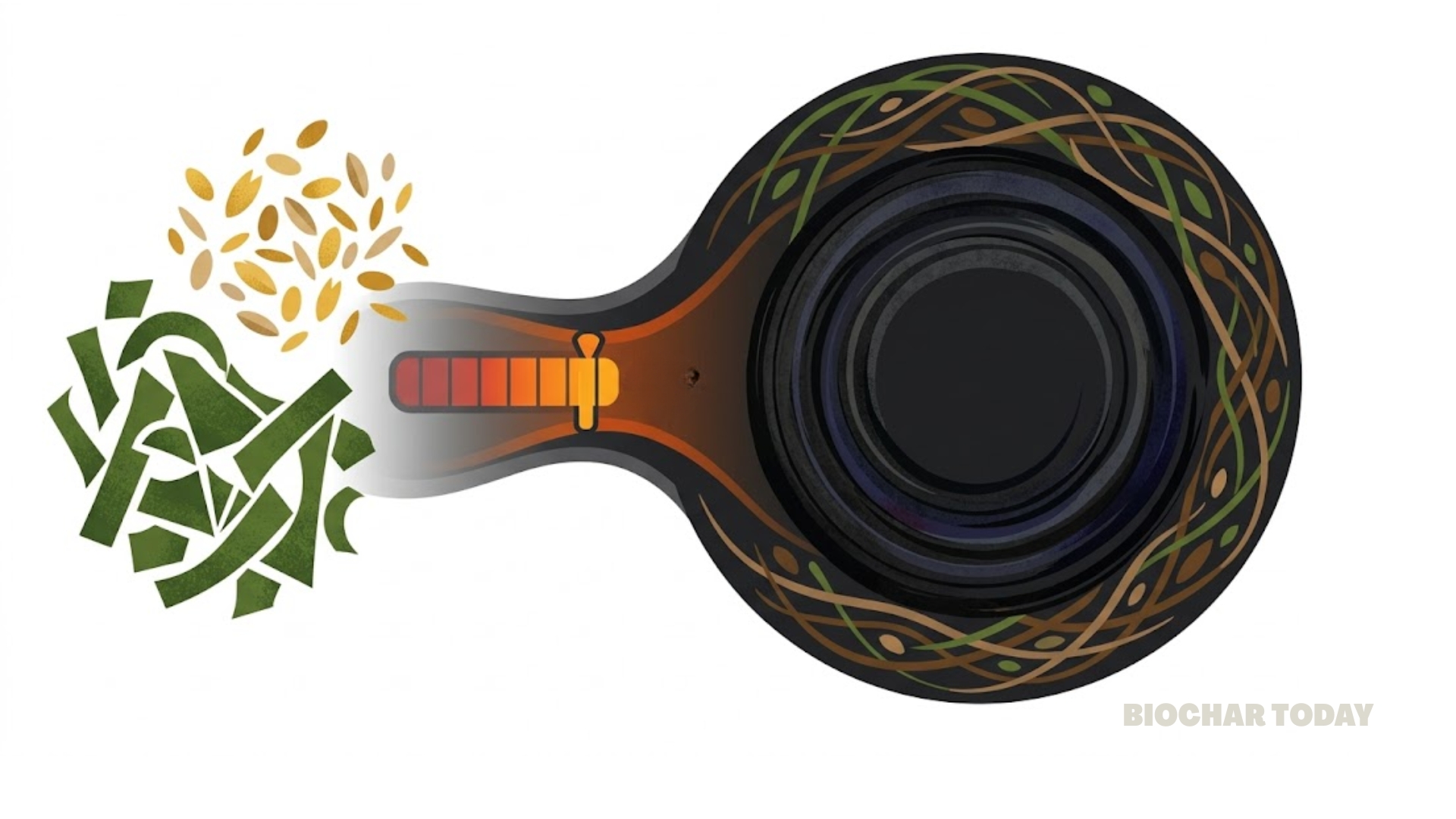
Biochar, a carbon-rich material produced by pyrolysisPyrolysis is a thermochemical process that converts waste biomass into bio-char, bio-oil, and pyro-gas. It offers significant advantages in waste valorization, turning low-value materials into economically valuable resources. Its versatility allows for tailored products based on operational conditions, presenting itself as a cost-effective and efficient More of organic matter, is gaining attention for its ability to adsorb heavy metals and improve soil health. Biochar’s porous structure and high surface area enable it to bind heavy metals, reducing their bioavailability. Additionally, biochar can enhance soil fertility, water retention, and microbial activity, contributing to the overall health of the soil ecosystem. Combining biochar with other remediation methods can create synergistic effects, enhancing the removal of heavy metals and improving soil quality.
Challenges and Future Directions
Despite the advancements in remediation technologies, several challenges remain. The effectiveness of remediation methods can vary depending on soil type, contamination levels, and environmental conditions. There is also a need for more research to understand the long-term impacts of these methods on soil health and the environment. The development of hybrid approaches that integrate multiple remediation techniques holds promise for more effective and sustainable solutions.
Economic considerations are also crucial, as the cost of remediation can be high. Finding cost-effective methods that do not compromise environmental integrity is essential. Continued innovation and research are needed to overcome these barriers and improve the efficiency of heavy metal remediation in oil-contaminated soils.
In conclusion, addressing heavy metal contamination in soils requires a multifaceted approach that combines physical, chemical, biological, and nano-based methods. Biochar presents a particularly promising tool due to its ability to adsorb metals and improve soil health. Ongoing research and development are essential to refine these methods, reduce costs, and enhance their effectiveness, ultimately protecting ecosystems and human health from the adverse effects of heavy metal contamination.


Leave a Reply