

Thurston, et al (2024) Evaluation of Industrial Hemp Cultivar and BiocharBiochar is a carbon-rich material created from biomass decomposition in low-oxygen conditions. It has important applications in environmental remediation, soil improvement, agriculture, carbon sequestration, energy storage, and sustainable materials, promoting efficiency and reducing waste in various contexts while addressing climate change challenges. More Rate to Remediate Heavy-Metal-Contaminated Soil from the Tar Creek Superfund Site, USA. Soil Systems. https://doi.org/10.3390/soilsystems8040114
Industrial hemp and biochar are promising tools for addressing soil contamination at the Tar Creek Superfund site, a heavily polluted area in northeastern Oklahoma. Researchers conducted a greenhouse study to evaluate the efficacy of two hemp cultivars (‘Carmagnola’ and ‘Jinma’) and varying rates of biochar (0%, 2%, 5%, 10% by volume) in remediating soil contaminated with cadmium (Cd), lead (Pb), and zinc (Zn).
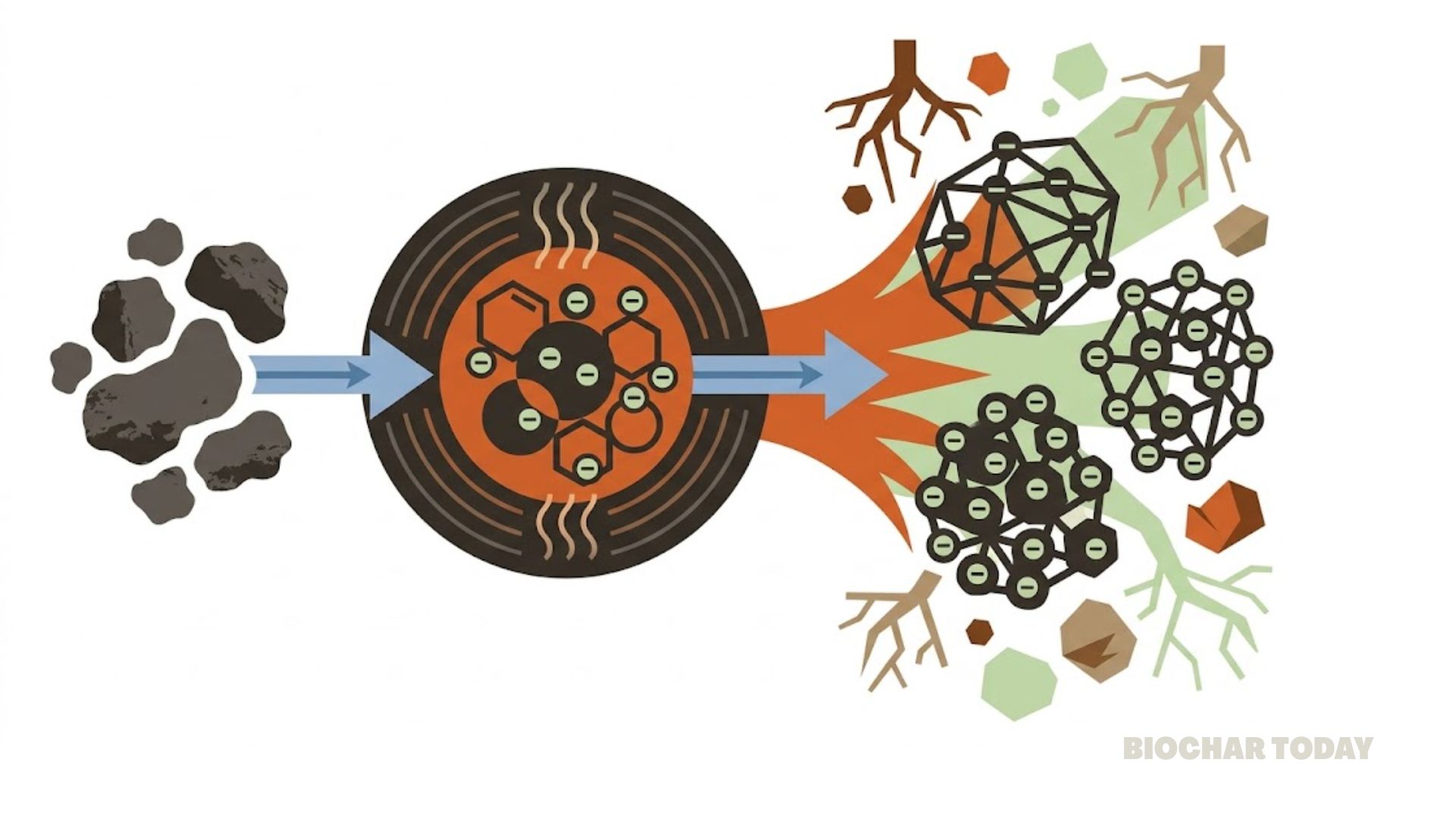
Hemp demonstrated significant potential for phytoremediationThis is a technique that uses plants to clean up contaminated soil or water. Biochar can enhance phytoremediation by improving soil conditions and promoting plant growth, allowing plants to absorb and break down pollutants more effectively. More, accumulating heavy metals in its tissues. However, soil contamination levels impacted growth, with lower contamination supporting better biomassBiomass is a complex biological organic or non-organic solid product derived from living or recently living organism and available naturally. Various types of wastes such as animal manure, waste paper, sludge and many industrial wastes are also treated as biomass because like natural biomass these More production. Biochar, a carbon-rich material, influenced heavy metal availability and uptake. In highly contaminated soils, higher biochar rates (5% and 10%) enhanced metal uptake, particularly for lead. This suggests biochar may increase heavy metal bioavailability to plants under certain conditions.
Key findings include:
• Aboveground biomass was highest in low-contaminated soils and decreased as contamination increased.
• Both cultivars absorbed significant amounts of Cd, Pb, and Zn, with ‘Carmagnola’ generally outperforming ‘Jinma’.
• In high-contamination scenarios, combining hemp with 5%-10% biochar achieved the greatest metal uptake.
These results underscore the potential of hemp and biochar as cost-effective, sustainable alternatives to traditional remediation methods. However, their effectiveness varies with contamination levels and application methods, necessitating further research to optimize these strategies for real-world conditions.



Leave a Reply