

N, P co-doped coffee biochar-supported Ni-Nx for chemoselective reduction or reductive amination of nitroarenes using formic acid. Applied Catalysis A: General. https://doi.org/10.1016/j.apcata.2024.119758
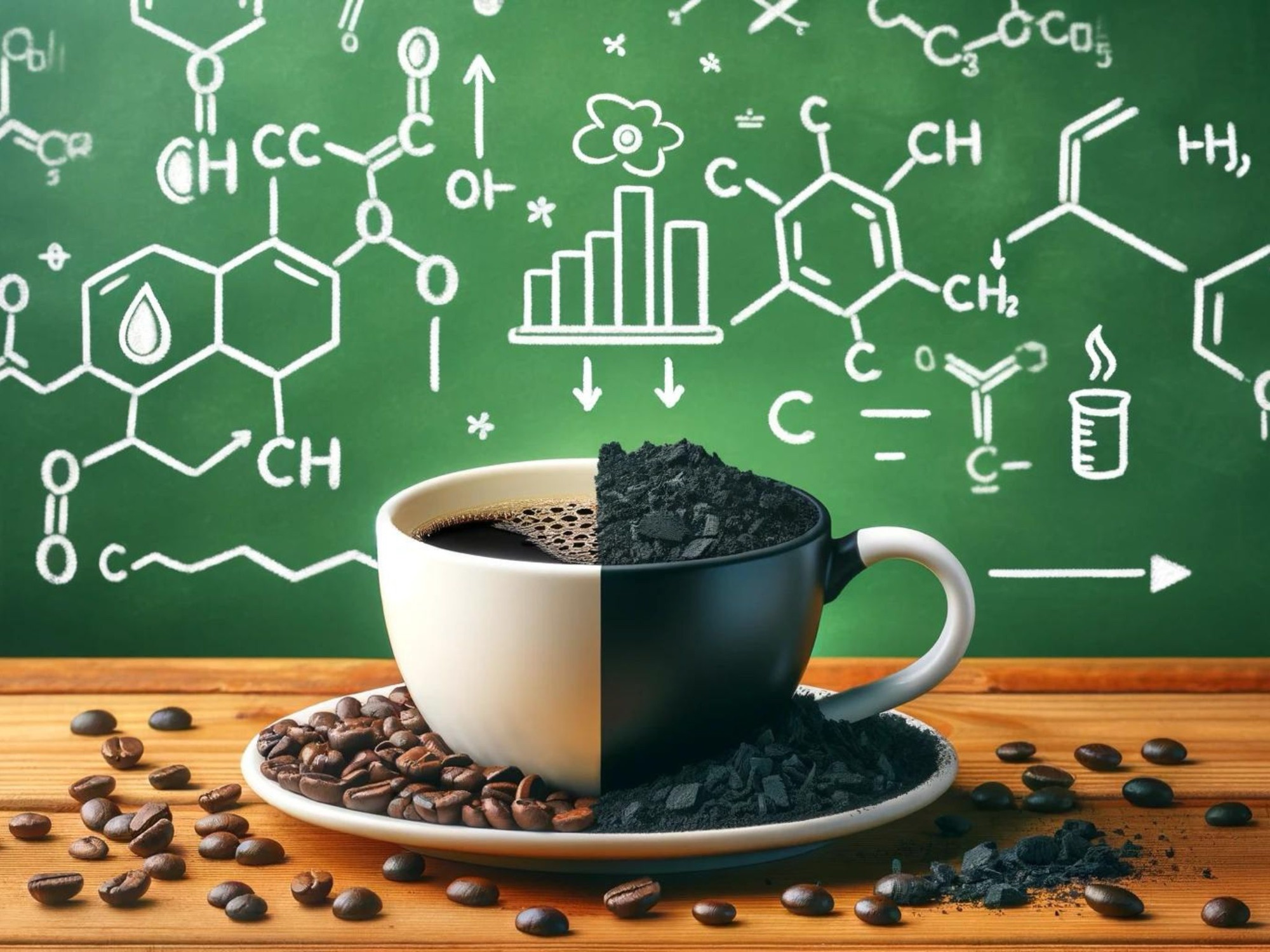
A recent study published in Applied Catalysis A: General introduces a novel catalyst derived from coffee biocharBiochar is a carbon-rich material created from biomass decomposition in low-oxygen conditions. It has important applications in environmental remediation, soil improvement, agriculture, carbon sequestration, energy storage, and sustainable materials, promoting efficiency and reducing waste in various contexts while addressing climate change challenges. More. This catalyst, known as Ni/NPCB-600, has been enhanced with nitrogen (N) and phosphorus (P) doping and shows exceptional promise in the chemoselective reduction or reductive amination of nitroarenes using formic acid—a green and renewable hydrogen source.
The research, conducted by a team led by Honghui Gong et al., marks the first instance of utilizing N, P co-doped coffee biochar to support nickel-nitrogen species (Ni-Nx) for this purpose. Their study highlights the catalyst’s superior performance, achieving yields greater than 91% in transforming various nitroarenes into valuable organic intermediates like arylamines and secondary amines. These compounds are crucial in the manufacture of pharmaceuticals, plastics, and pesticides.
Ni/NPCB-600 stands out due to its enhanced textural properties, which improve mass transfer and expose more active sites for the reaction. The doping with N and P not only boosts the basicity of the catalyst, facilitating the adsorption and activation of reactants, but also contributes to the catalyst’s stability and high activity across multiple cycles.
Formic acid, used as the hydrogen donor in these reactions, underscores the eco-friendly approach of the study, aligning with the increasing need for sustainable industrial processes. It represents a safer and more convenient alternative to the traditional high-pressure hydrogen gas, offering a pathway to minimize CO2 emissions in chemical manufacturing.
This development not only opens the door to leveraging waste materials like coffee residues but also highlights the potential of biochar as a viable support in catalysis. The study’s findings pave the way for further industrial application and development of biochar-based catalysts, providing a fresh perspective on the design of green chemical processes.




Leave a Reply