
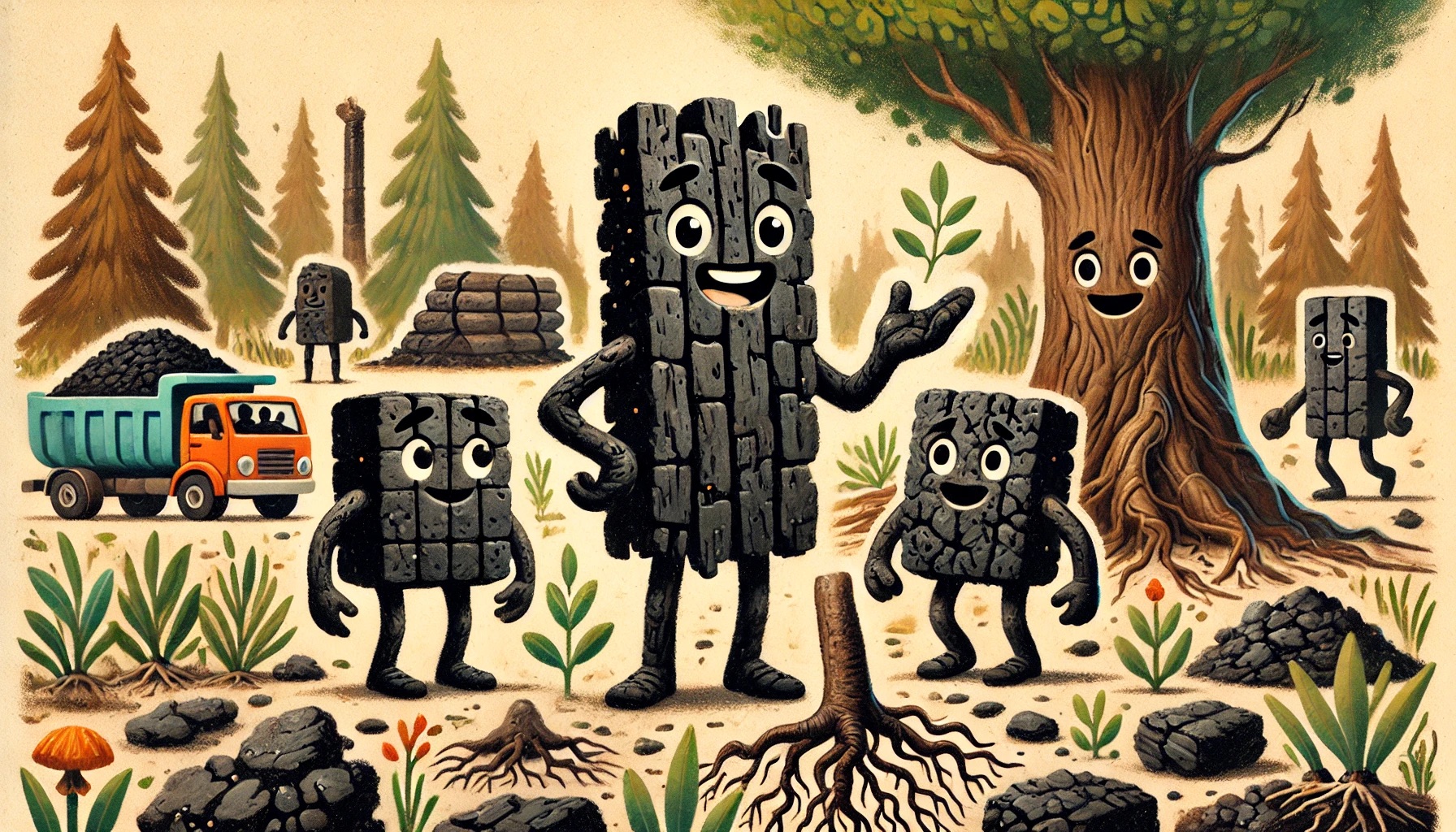

A study published in the Journal of Analytical and Applied Pyrolysis explores the pyrolysis process of cellulose, focusing on the evolution of volatile matter and char structure. Cellulose, a renewable natural polymer, has the potential to replace petrochemical resources in producing valuable materials. However, understanding the pyrolysis mechanisms—critical to efficient energy conversion—has been challenging, particularly regarding the evolution of solid char alongside volatile compounds.
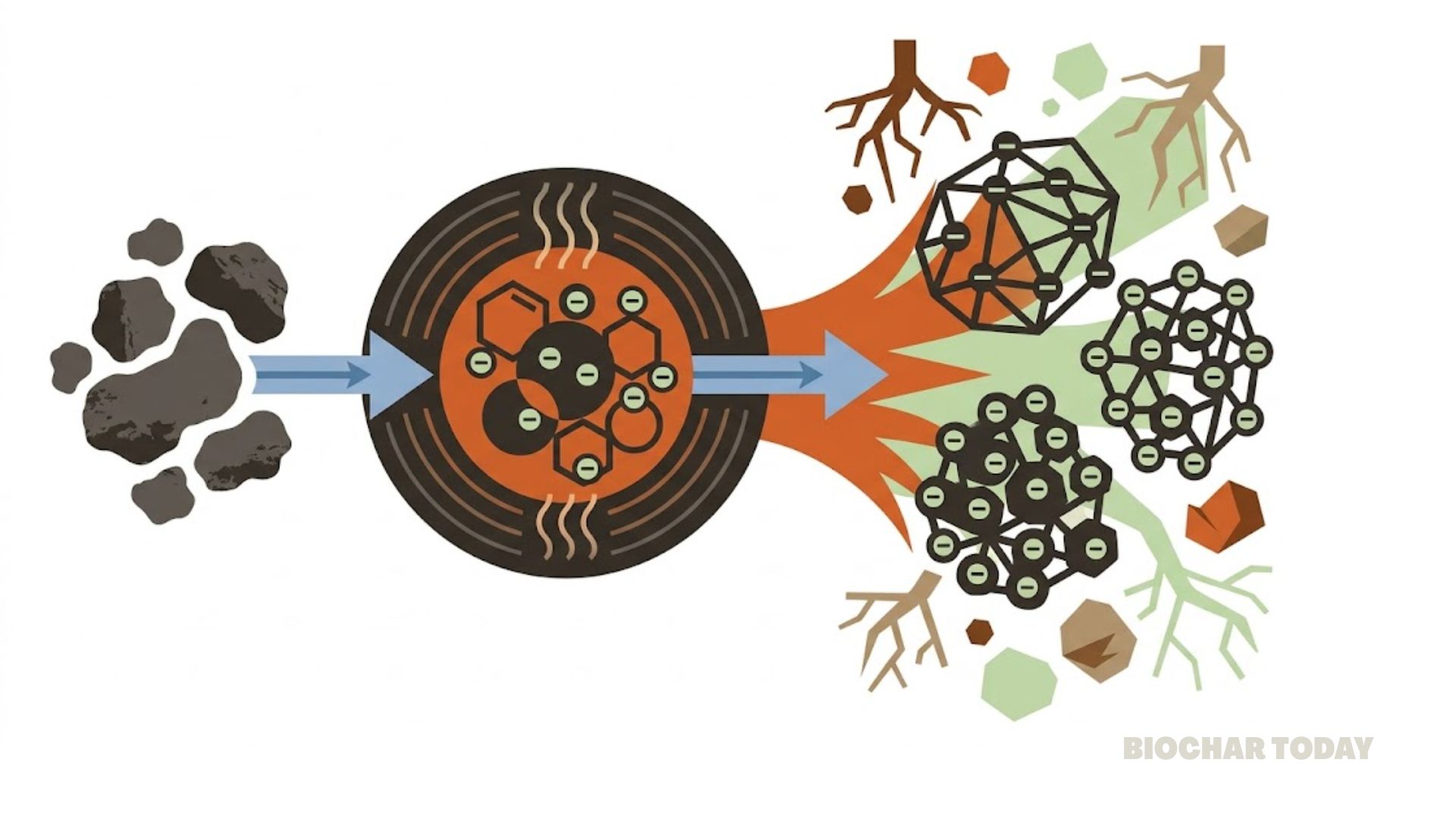
This research utilized several analytical techniques, including thermogravimetric analysis, infrared (FTIR), Raman spectroscopy, and X-ray diffraction, to study cellulose decomposition under rapid pyrolysis. The process revealed key temperature-dependent transitions. Dehydrated sugars form at temperatures below 350°C, which further decompose into furan compounds at 400°C. As temperatures rise to 600°C, carbon-carbon bonds break, yielding fatty aldehydes, ketones, and carboxylic acids.
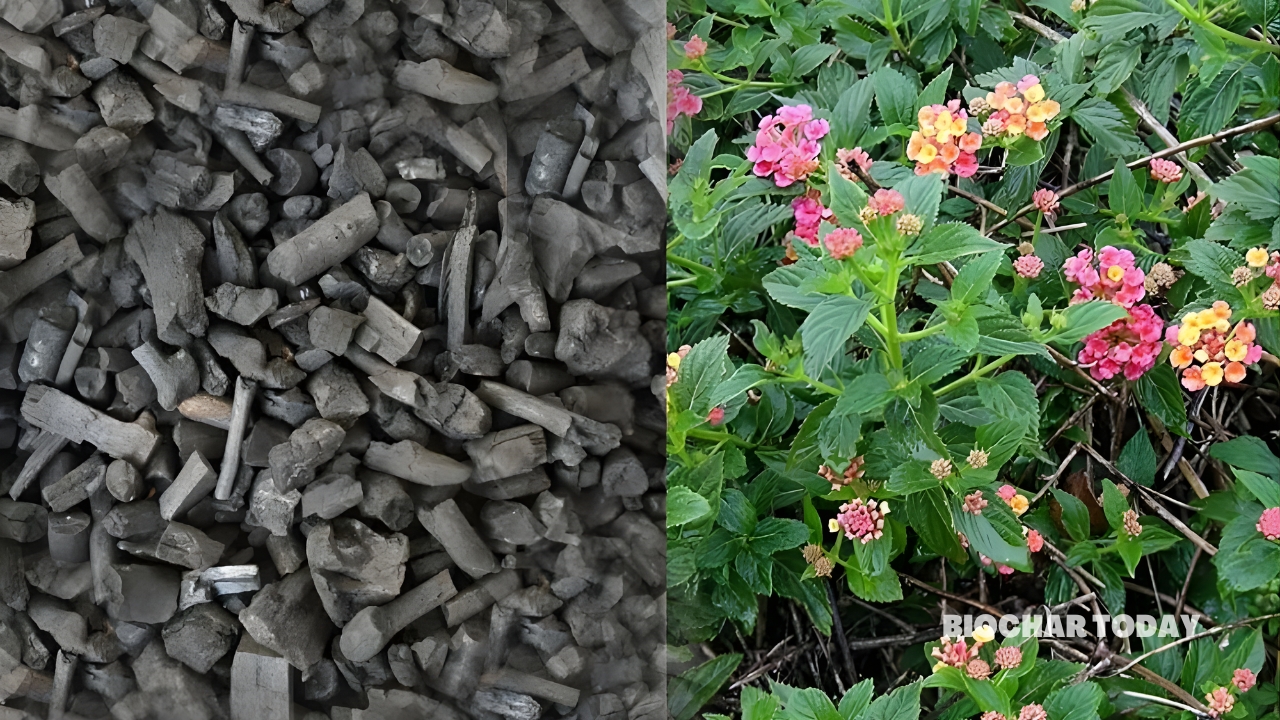
The study also highlighted that biocharBiochar is a carbon-rich material created from biomass decomposition in low-oxygen conditions. It has important applications in environmental remediation, soil improvement, agriculture, carbon sequestration, energy storage, and sustainable materials, promoting efficiency and reducing waste in various contexts while addressing climate change challenges. More formed at lower temperatures exhibits high lipid solubility, while higher pyrolysis temperatures lead to significant degradation of hydrogen and oxygen content in the char, eventually producing graphite-like structures. These findings were instrumental in establishing a cellulose pyrolysis pathway, linking volatile release characteristics with the evolution of semi-char structures.
This research offers a comprehensive understanding of cellulose pyrolysis, providing a foundation for optimizing biochar production and advancing biorefining processes to create high-value chemicals from renewable sources.


Leave a Reply