

Murtaza, et al (2024) Liming potential and characteristics of biocharBiochar is a carbon-rich material created from biomass decomposition in low-oxygen conditions. It has important applications in environmental remediation, soil improvement, agriculture, carbon sequestration, energy storage, and sustainable materials, promoting efficiency and reducing waste in various contexts while addressing climate change challenges. More produced from woody and non-woody biomassBiomass is a complex biological organic or non-organic solid product derived from living or recently living organism and available naturally. Various types of wastes such as animal manure, waste paper, sludge and many industrial wastes are also treated as biomass because like natural biomass these More at different pyrolysisPyrolysis is a thermochemical process that converts waste biomass into bio-char, bio-oil, and pyro-gas. It offers significant advantages in waste valorization, turning low-value materials into economically valuable resources. Its versatility allows for tailored products based on operational conditions, presenting itself as a cost-effective and efficient More temperatures. Scientific Reports. https://doi.org/10.1038/s41598-024-61974-8
Soil acidification, a significant agricultural issue affecting nearly 40% of the world’s arable land, is exacerbated by industrial activities and excessive fertilizer use. Traditional liming materials like dolomite and agricultural lime are commonly used to neutralize soil acidity, enhancing soil health and crop productivity. Recently, biochar—a carbon-rich product derived from organic waste through pyrolysis—has gained attention for its potential to improve soil quality, sequester carbon, and act as a liming agent. This study examines biochar produced from woody (Acacia nilotica bark) and non-woody (eggplant peel) biomass at two different pyrolysis temperatures (300°C and 600°C) to evaluate its characteristics and liming potential.
Researchers at The Islamia University of Bahawalpur in Pakistan produced biochar from eggplant peel and Acacia nilotica bark. The biomass was air-dried, ground, and subjected to pyrolysis at 300°C and 600°C for two hours. Various analyses were conducted to assess the biochars’ physical and chemical properties, including pHpH is a measure of how acidic or alkaline a substance is. A pH of 7 is neutral, while lower pH values indicate acidity and higher values indicate alkalinity. Biochars are normally alkaline and can influence soil pH, often increasing it, which can be beneficial More, phosphorus (P), potassium (K), and other elemental compositions. Scanning Electron Microscopy (SEM) was used to study the surface morphology, while the liming potential was tested by incubating the biochar in acidic soils from Bahawalpur and Lodhran.
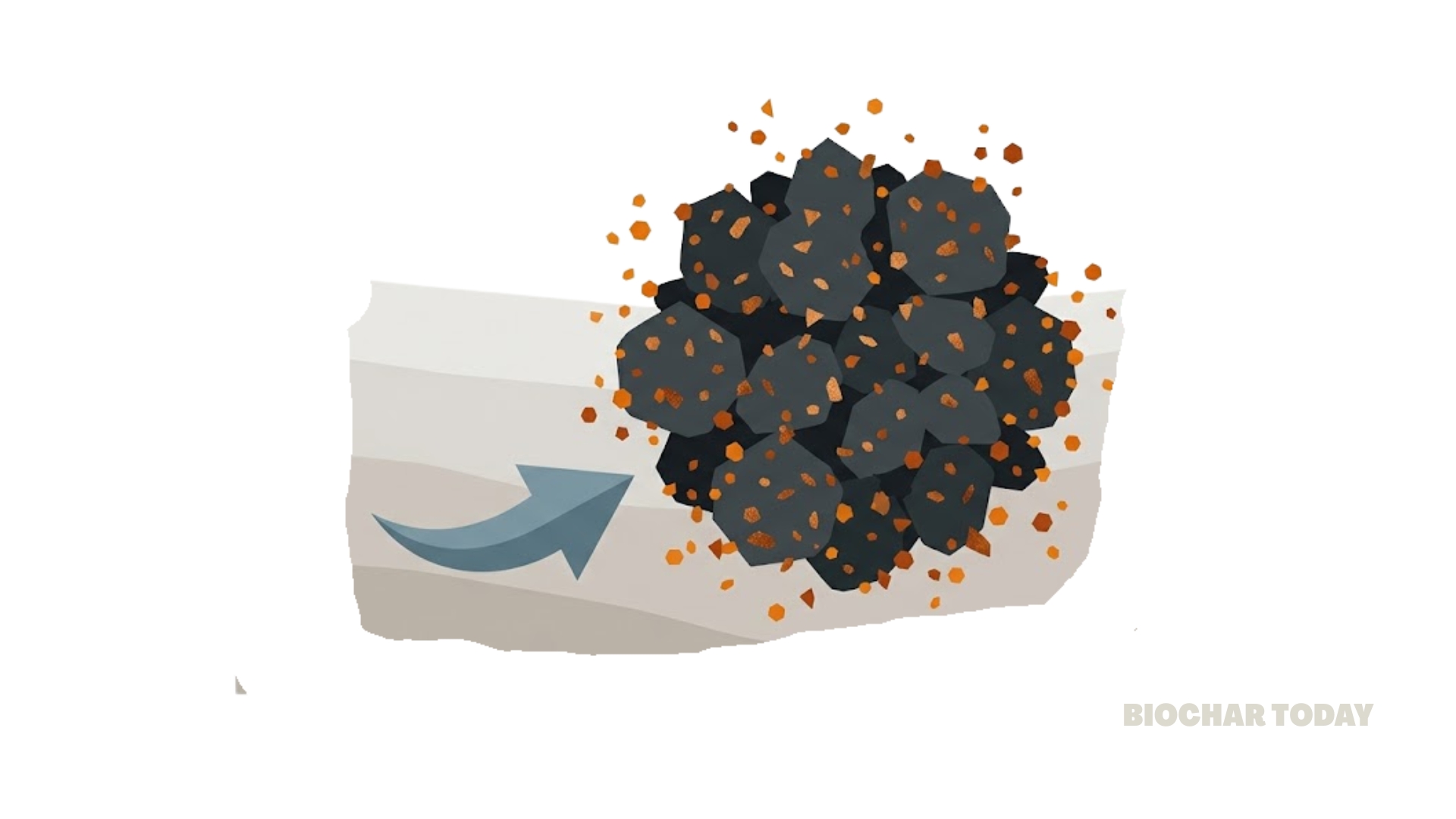
The study found that the yield of biochar decreased with increasing pyrolysis temperature. Acacia nilotica bark biochar had higher fixed carbon and lower ashAsh is the non-combustible inorganic residue that remains after organic matter, like wood or biomass, is completely burned. It consists mainly of minerals and is different from biochar, which is produced through incomplete combustion. Ash Ash is the residue that remains after the complete More content compared to eggplant biochar. Higher pyrolysis temperatures resulted in biochar with increased carbon content and reduced volatile matterVolatile matter refers to the organic compounds that are released as gases during the pyrolysis process. These compounds can include methane, hydrogen, and carbon monoxide, which can be captured and used as fuel or further processed into other valuable products. More. Biochar produced at higher temperatures (600°C) exhibited a more alkaline pH. Eggplant biochar at 600°C had a significantly higher liming ability than Acacia nilotica bark biochar. The calcium carbonate equivalent (CCE) and nutrient availability (P and K) were higher in eggplant biochar, especially at higher pyrolysis temperatures.
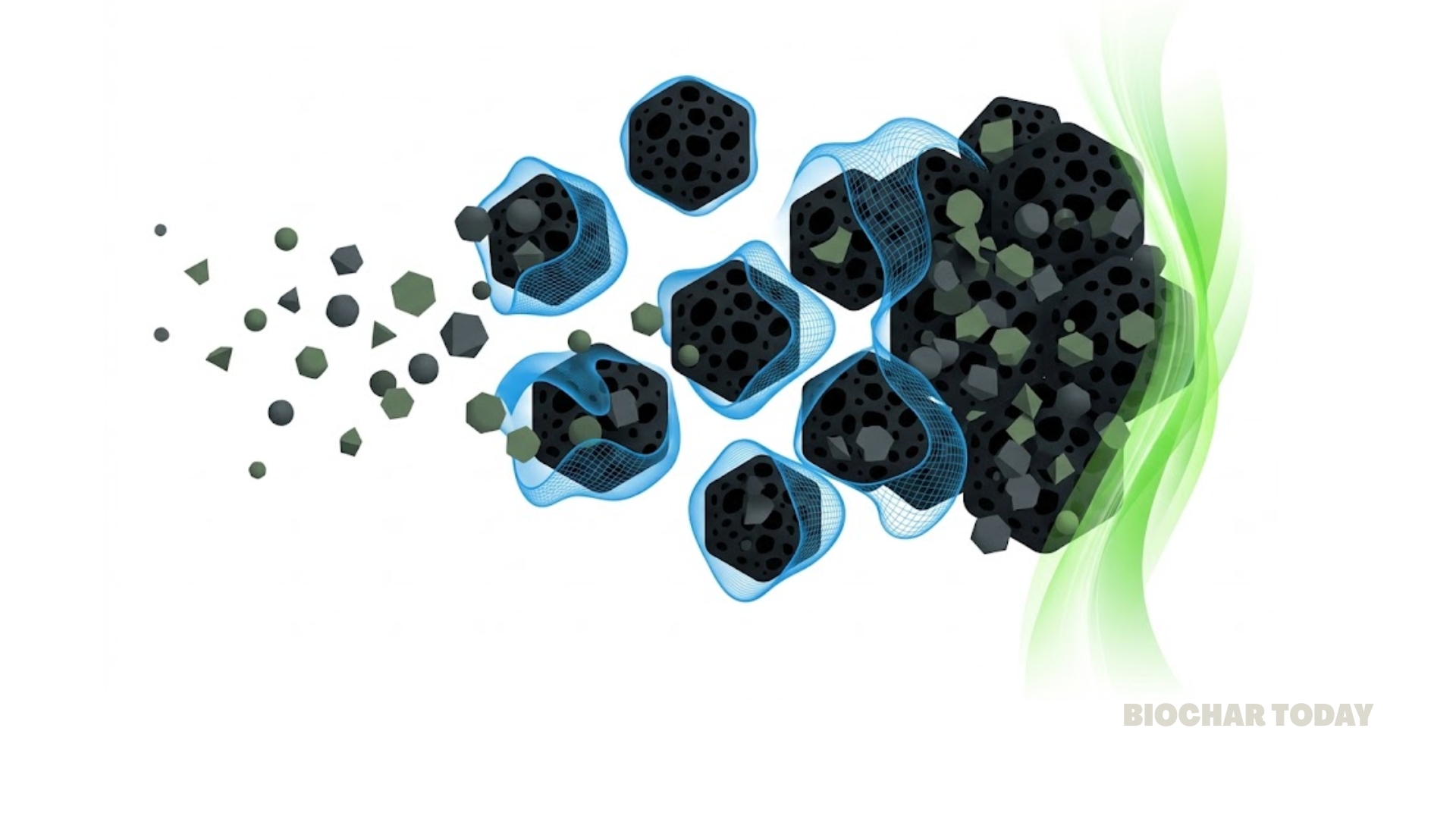
Eggplant biochar contained higher levels of extractable phosphorus and potassium, which are crucial for plant growth. The concentration of nutrients like magnesium (Mg) and calcium (Ca) varied with the type of feedstockFeedstock refers to the raw organic material used to produce biochar. This can include a wide range of materials, such as wood chips, agricultural residues, and animal manure. More and pyrolysis temperature. SEM analysis showed that higher pyrolysis temperatures increased the porosityPorosity of biochar is a key factor in its effectiveness as a soil amendment and its ability to retain water and nutrients. Biochar’s porosity is influenced by feedstock type and pyrolysis temperature, and it plays a crucial role in microbial activity and overall soil health. Biochar More of biochar, which can enhance soil aeration and water retention.
The study highlights the potential of biochar as a sustainable soil amendmentA soil amendment is any material added to the soil to enhance its physical or chemical properties, improving its suitability for plant growth. Biochar is considered a soil amendment as it can improve soil structure, water retention, nutrient availability, and microbial activity. More, particularly for small-scale farmers who struggle with the high costs of traditional lime. Biochar derived from eggplant peel, especially at 600°C, shows promise in addressing soil acidity and improving nutrient availability, making it a cost-effective alternative to limestone. The higher nutrient content and liming capacity of eggplant biochar can enhance soil fertility and crop yields, contributing to food security.
Biochar’s effectiveness as a soil amendment is influenced by the feedstock type and pyrolysis temperature. Eggplant peel biochar, particularly at higher temperatures, offers superior liming potential and nutrient availability compared to Acacia nilotica bark biochar. Incorporating biochar into agricultural practices can mitigate soil acidity, improve soil health, and promote sustainable waste management. Further research and field trials are needed to optimize biochar application rates and evaluate long-term impacts on soil and crop productivity.


Leave a Reply