

Synergistic mitigation of atrazine-induced oxidative stress on soybeans in black soil using biocharBiochar is a carbon-rich material created from biomass decomposition in low-oxygen conditions. It has important applications in environmental remediation, soil improvement, agriculture, carbon sequestration, energy storage, and sustainable materials, promoting efficiency and reducing waste in various contexts while addressing climate change challenges. More and Paenarthrobacter sp. AT5. Journal of Environmental Management. https://doi.org/10.1016/j.jenvman.2024.120951
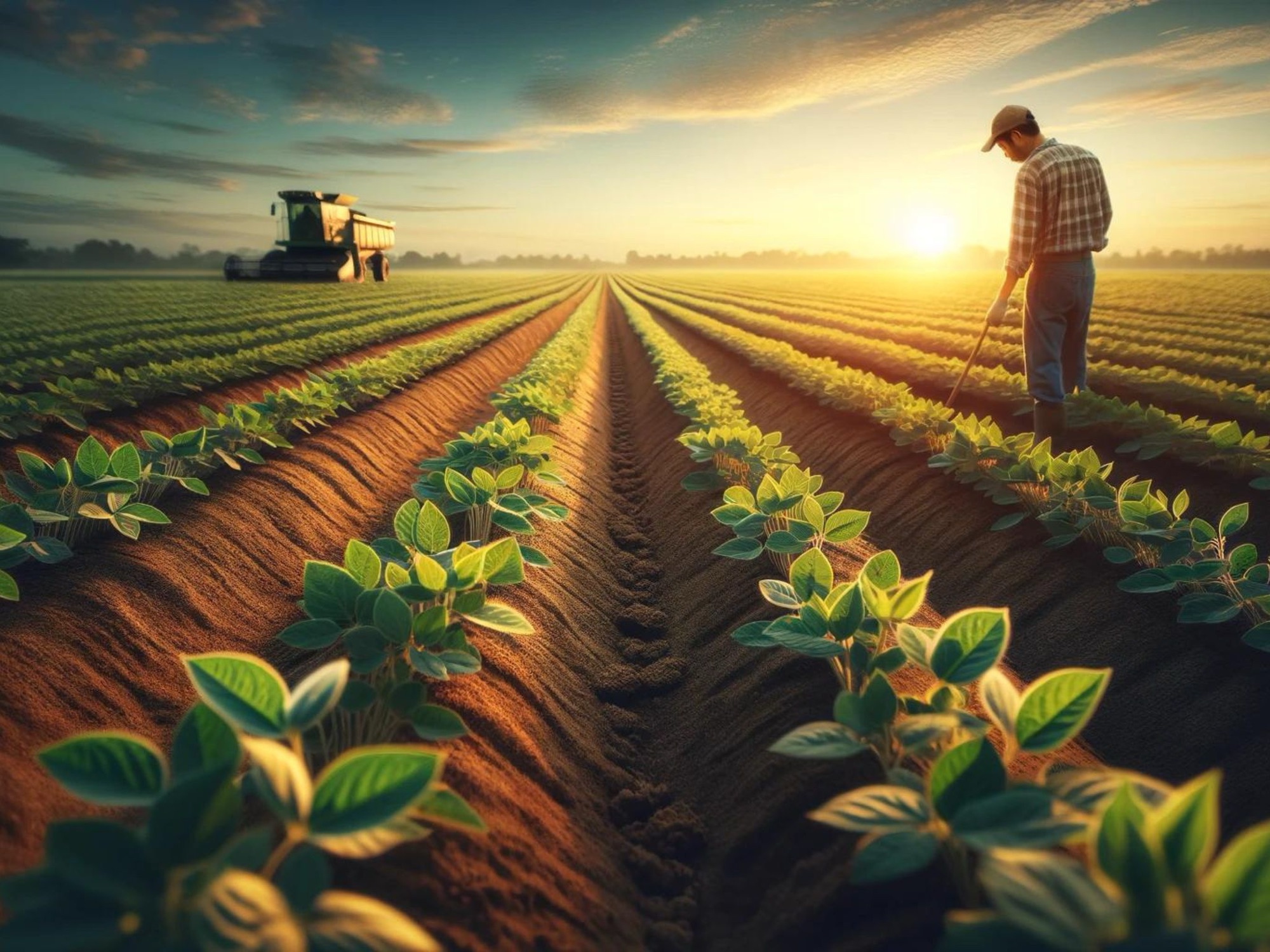
In a recent study published in the Journal of Environmental Management, researchers explored an innovative approach to mitigate the negative impacts of the herbicide atrazine on soybeans. Atrazine, widely used in agriculture, often persists in soil, adversely affecting crops like soybeans that are sensitive to its residues. The research team, led by Jean Damascene Harindintwali, investigated the combined effects of biochar and the atrazine-degrading bacterial strain Paenarthrobacter sp. AT5 on soybeans grown in black soil, with promising results.
The study highlighted that bacterially loaded biochar (BBC) not only significantly enhanced the degradation of atrazine in both unplanted and planted soil systems but also boosted the growth and health of soybeans. The application of BBC was found to improve the biomassBiomass is a complex biological organic or non-organic solid product derived from living or recently living organism and available naturally. Various types of wastes such as animal manure, waste paper, sludge and many industrial wastes are also treated as biomass because like natural biomass these More, photosynthetic pigments, and antioxidant systems of the soybeans, effectively mitigating changes in the plants’ metabolite pathways caused by atrazine exposure.
Biochar, a carbon-rich product derived from organic materials, has been recognized for its ability to improve soil fertility and provide a stable habitat for beneficial microbes. When combined with the specific bacteria capable of breaking down atrazine, the biochar effectively becomes a dual-action tool that not only supports plant health but also actively cleans the soil of toxic residues.
This synergistic method offers a sustainable and efficient solution for farming communities dealing with atrazine contamination, especially in regions where maize-soybean strip intercropping is common. Such practices are recommended by agricultural authorities in China to maximize land use and crop yields.
The research opens new avenues for sustainable agricultural practices by demonstrating how integrating nature-based solutions like biochar and beneficial bacteria can enhance crop resilience and soil health, paving the way for healthier, more productive agricultural ecosystems.



Leave a Reply