


In China, where rice production is vital, there are significant challenges associated with fertilizer efficiency and managing agricultural waste, particularly rice husks. A recent study explores innovative solutions using rice husk biochar-based fertilizers (RHBF), aiming to improve nutrient efficiency and mitigate environmental impacts. Four types of RHBF were developed: blended, soaked, high-pressure soaked, and coated. These fertilizers were tested for their nutrient release performance, effects on rice growth, yield, and ability to reduce cadmium (Cd) contamination in soil.
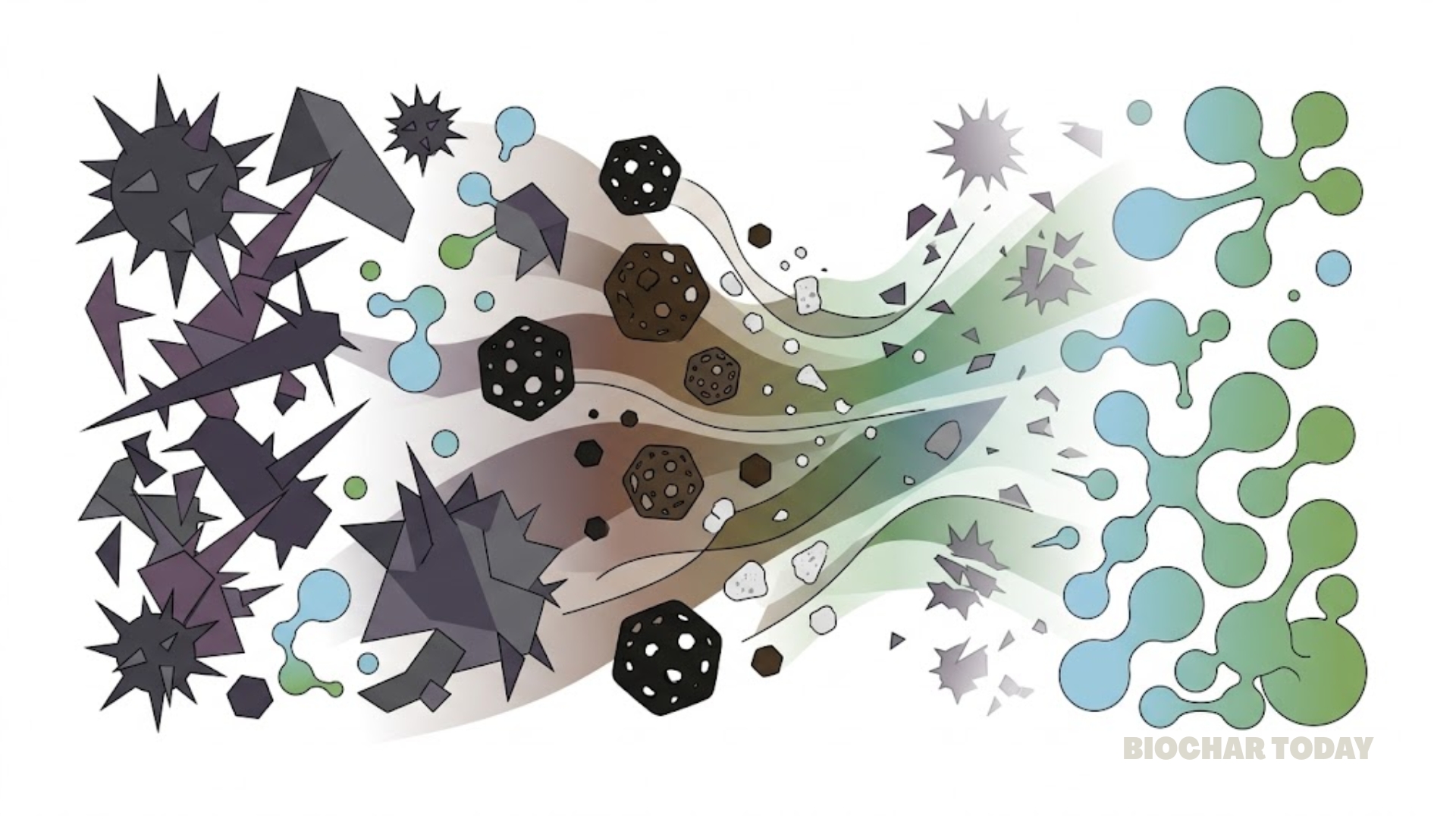
The study found that high-pressure soaked RHBF had the most pronounced slow-release properties, releasing nutrients at a significantly slower rate compared to conventional fertilizers. This slower release resulted in lower leachingLeaching is the process where nutrients are dissolved and carried away from the soil by water. This can lead to nutrient depletion and environmental pollution. Biochar can help reduce leaching by improving nutrient retention in the soil. More rates of nitrogen and potassium, indicating more efficient nutrient use. Pot trials demonstrated that RHBFs enhanced rice growth and yield. On average, the agronomic efficiency of phosphorus in RHBF treatments increased by 102.8%, and grain yield improved by 20.6% compared to conventional fertilizers.
Importantly, RHBFs also significantly reduced Cd mobilization in the soil, decreasing Cd content in rice grain by an average of 80.1%. High-pressure soaked RHBF was particularly effective, reducing Cd levels in grain and straw by 81% and 62.71%, respectively.
This research highlights the potential of RHBFs to enhance fertilizer efficiency and promote sustainable agricultural practices. By utilizing rice husks, an abundant agricultural waste product, as a key component, RHBFs offer an eco-friendly alternative to conventional fertilizers, reducing environmental pollution and enhancing crop productivity.



Leave a Reply