
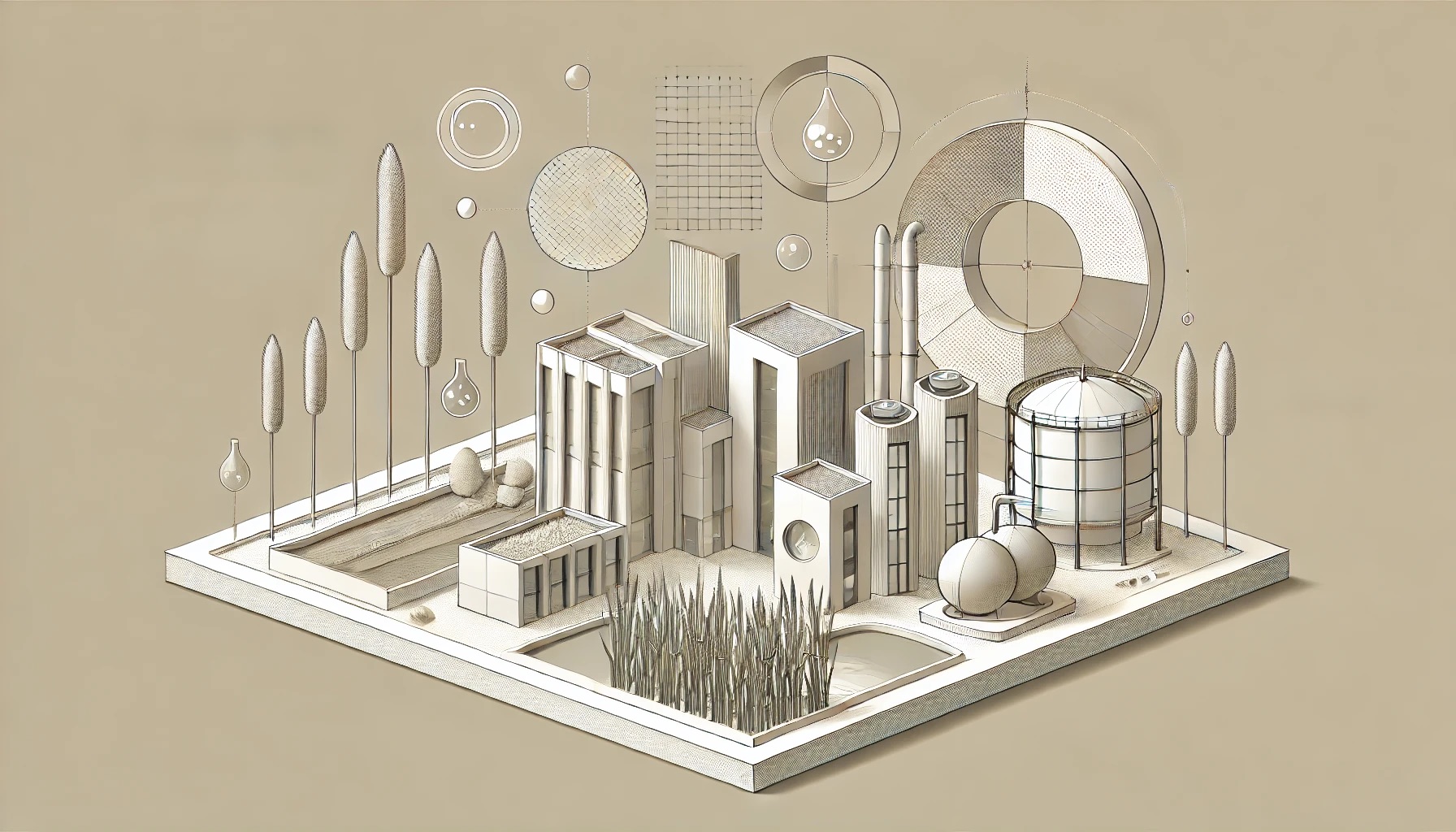

Phosphorus (P) is a critical element for life, yet global reserves are depleting. To address this, researchers have developed innovative methods to recover P from incinerated sewage sludge ash (ISSA), a byproduct of urban wastewater treatment. This study introduces zirconium-modified reed biochar (Zr-RB) as an effective material for extracting P from ISSA using a wet chemical process.
First, phosphorus-rich solutions were created by leaching ISSA with sulfuric acid, achieving a 96.56% leaching rate. Zr-RB, produced by impregnating reed biochar with zirconium, demonstrated exceptional efficiency, selectively adsorbing over 99% of phosphorus from these solutions. Advanced modeling revealed that this adsorption process involves multilayer and non-uniform surface interactions, facilitated by mechanisms like surface precipitation and ligand exchange.
The recovered phosphorus was converted into hydroxyapatite [Ca₅(PO₄)₃(OH)], a compound with 80.17% bioavailability, suitable for agricultural and industrial applications. Additionally, the study employed advanced characterization techniques and density functional theory (DFT) calculations to unravel the interaction mechanisms between Zr-RB and phosphorus.
This method provides a sustainable solution for phosphorus recovery while repurposing agricultural waste, such as reeds, into valuable biochar. By combining efficiency with environmental benefits, this approach offers a promising alternative to traditional phosphorus mining, addressing resource depletion and promoting circular waste management practices.


Leave a Reply