
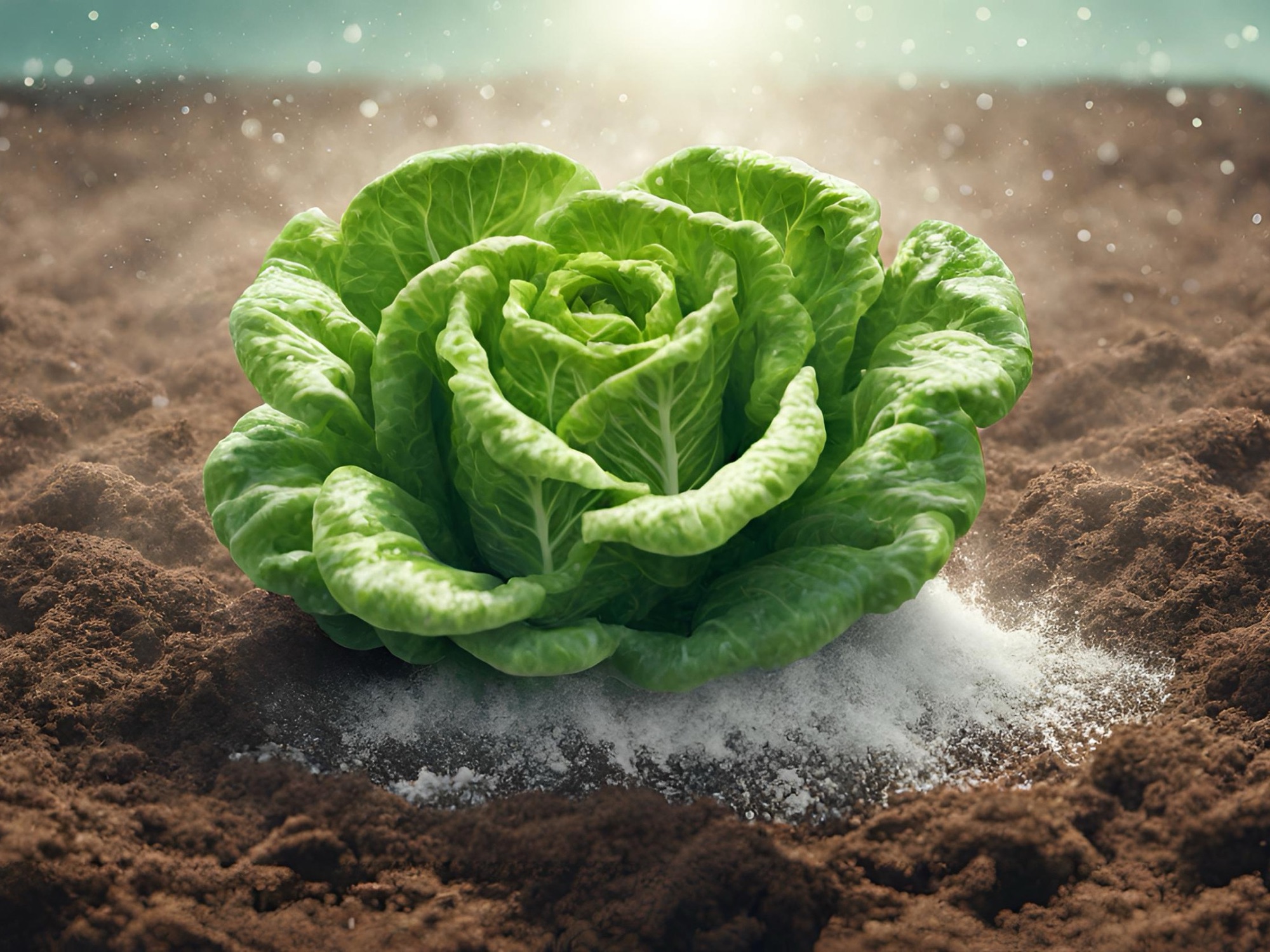
Fedeli, Vannini, et al (2024) Can lettuce plants grow in saline soils supplemented with biocharBiochar is a carbon-rich material created from biomass decomposition in low-oxygen conditions. It has important applications in environmental remediation, soil improvement, agriculture, carbon sequestration, energy storage, and sustainable materials, promoting efficiency and reducing waste in various contexts while addressing climate change challenges. More? Heliyon. https://doi.org/10.1016/j.heliyon.2024.e26526
Salt stress is a pressing environmental concern affecting numerous soils globally due to the presence of dissolved salts. Addressing this challenge requires exploring nature-based solutions. A recent study investigated the effectiveness of biochar, produced through pyrolysisPyrolysis is a thermochemical process that converts waste biomass into bio-char, bio-oil, and pyro-gas. It offers significant advantages in waste valorization, turning low-value materials into economically valuable resources. Its versatility allows for tailored products based on operational conditions, presenting itself as a cost-effective and efficient More of plant biomassBiomass is a complex biological organic or non-organic solid product derived from living or recently living organism and available naturally. Various types of wastes such as animal manure, waste paper, sludge and many industrial wastes are also treated as biomass because like natural biomass these More, in alleviating salt stress on lettuce plants (Lactuca sativa L.).
The experiment involved testing six NaCl concentrations (0, 50, 100, 200, 300, and 400 mM) with and without the addition of 5% biochar. Various parameters, including biometric (fresh weight), physiological (chlorophyll content), and biochemical (electrolyte leakage, total antioxidant power, total soluble proteins, free amino acids, and mineral content), were assessed over four weeks.
Results indicated that NaCl negatively impacted plants at concentrations between 100–200 mM. Biochar demonstrated some effectiveness in mitigating salt-induced damage to plant physiology but did not counteract sodium accumulation. The study also found varied effects of biochar on parameters like total antioxidant power, fresh weight, chlorophyll content, total soluble protein, and potassium content.
In conclusion, the research suggests that biochar provides a viable solution to alleviate damage caused by high salt concentrations on plant growth. Despite not completely eliminating sodium accumulation, biochar shows promise in enhancing various aspects of plant physiology. This study contributes to the ongoing exploration of sustainable and nature-based approaches to address environmental challenges, particularly salt stress in agricultural soils.






Leave a Reply