

Halmi & Semarani (2024) Effect of Oil Palm Kernel Shell BiocharBiochar is a carbon-rich material created from biomass decomposition in low-oxygen conditions. It has important applications in environmental remediation, soil improvement, agriculture, carbon sequestration, energy storage, and sustainable materials, promoting efficiency and reducing waste in various contexts while addressing climate change challenges. More and Inorganic Fertilizer on Soil Microbial BiomassBiomass is a complex biological organic or non-organic solid product derived from living or recently living organism and available naturally. Various types of wastes such as animal manure, waste paper, sludge and many industrial wastes are also treated as biomass because like natural biomass these More and Population in the Humid Tropics. Eurasian Soil Science. https://doi.org/10.1134/S1064229323602202
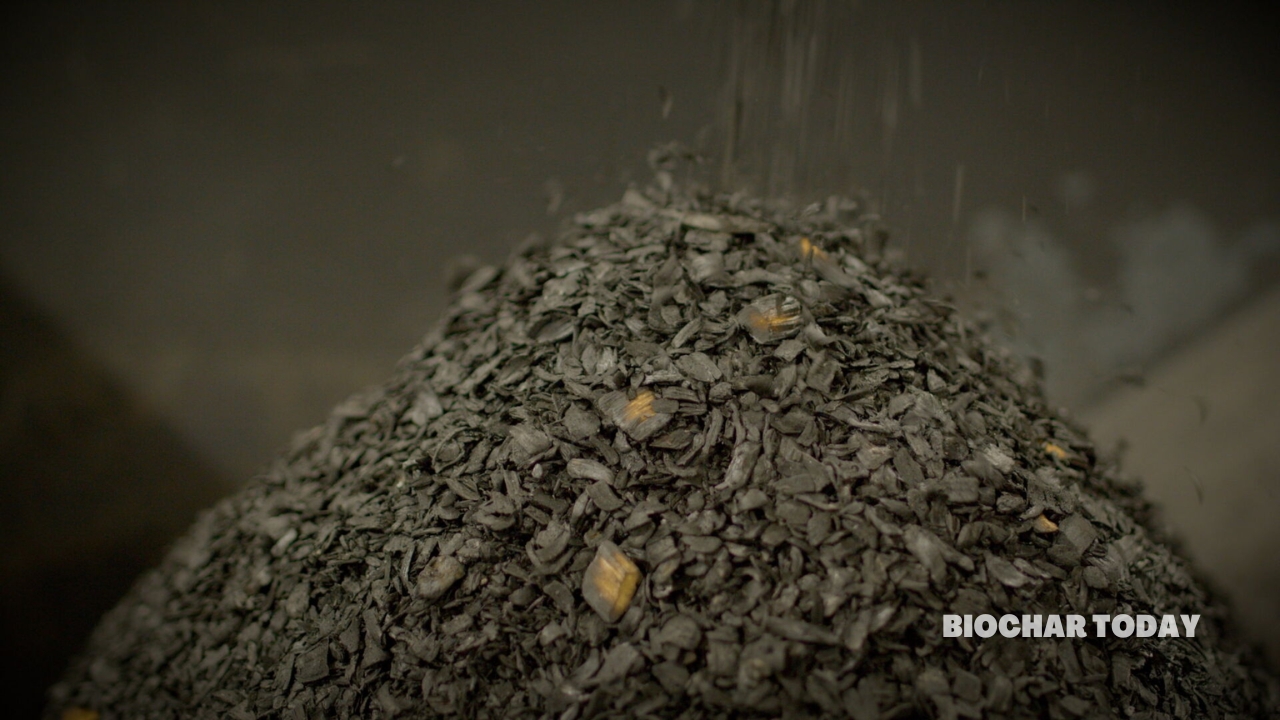
In fertile weathered soils of the humid tropics, crop yields often suffer. Thankfully, research suggests a promising solution: biochar, a charcoal-like substance made from burnt organic matter. Scientists in Malaysia investigated how biochar derived from oil palm shells impacts soil quality and microbes over multiple cropping cycles.
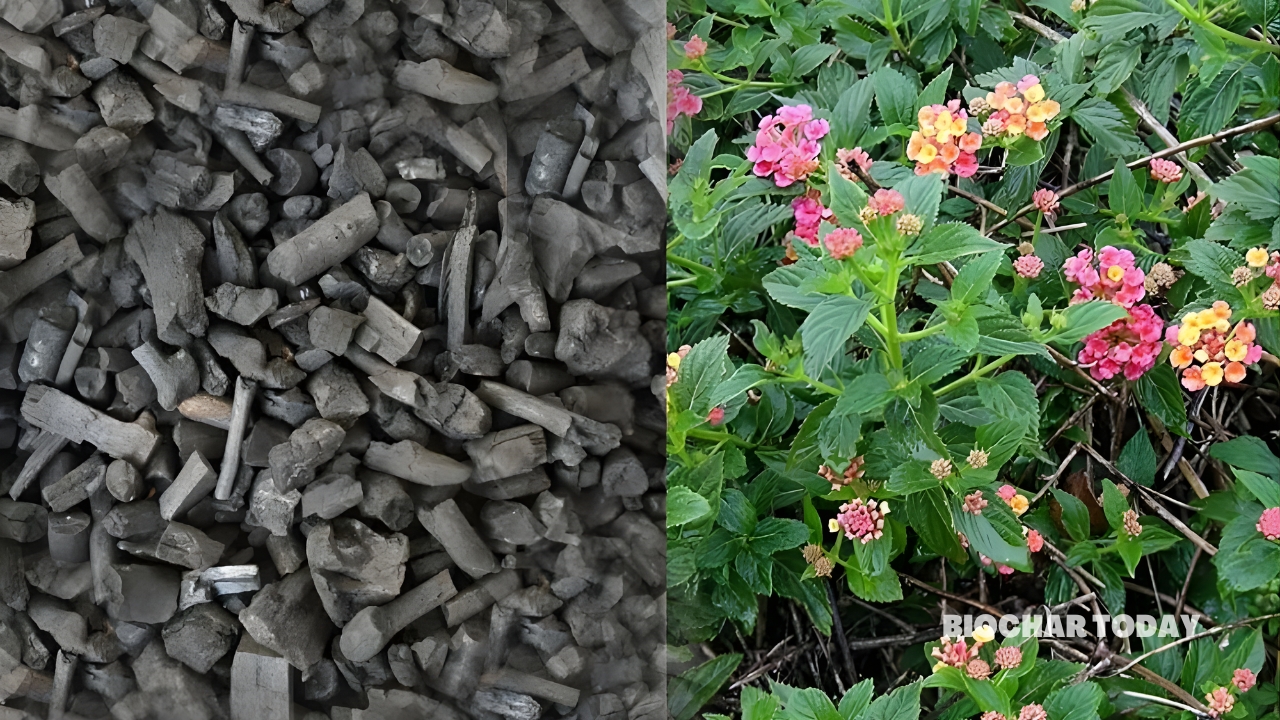
Their findings are encouraging. A single application of biochar before planting sweetcorn improved soil health in several ways. It increased soil pHpH is a measure of how acidic or alkaline a substance is. A pH of 7 is neutral, while lower pH values indicate acidity and higher values indicate alkalinity. Biochars are normally alkaline and can influence soil pH, often increasing it, which can be beneficial More, its ability to hold nutrients (cation exchange capacity), and its organic carbon and nitrogen content. Notably, combining biochar with conventional fertilizer further reduced nitrogen loss in the second cropping cycle.
But the benefits extend beyond nutrients. Biochar treatment also boosted the abundance of both bacteria and fungi in the soil, likely due to improved soil pH and nutrient availability. Additionally, the researchers identified a promising indicator of soil nitrogen content: the ratio of microbial carbon to microbial nitrogen (MBC:MBN). This ratio showed a strong negative correlation with soil nitrogen, suggesting its potential for monitoring soil fertility in future studies.
While more research is needed, this study highlights the potential of biochar made from oil palm waste to improve soil health and crop productivity in tropical agriculture. This approach could offer a sustainable solution for boosting food production while managing waste and mitigating carbon emissions.



Leave a Reply