

Key Takeaways
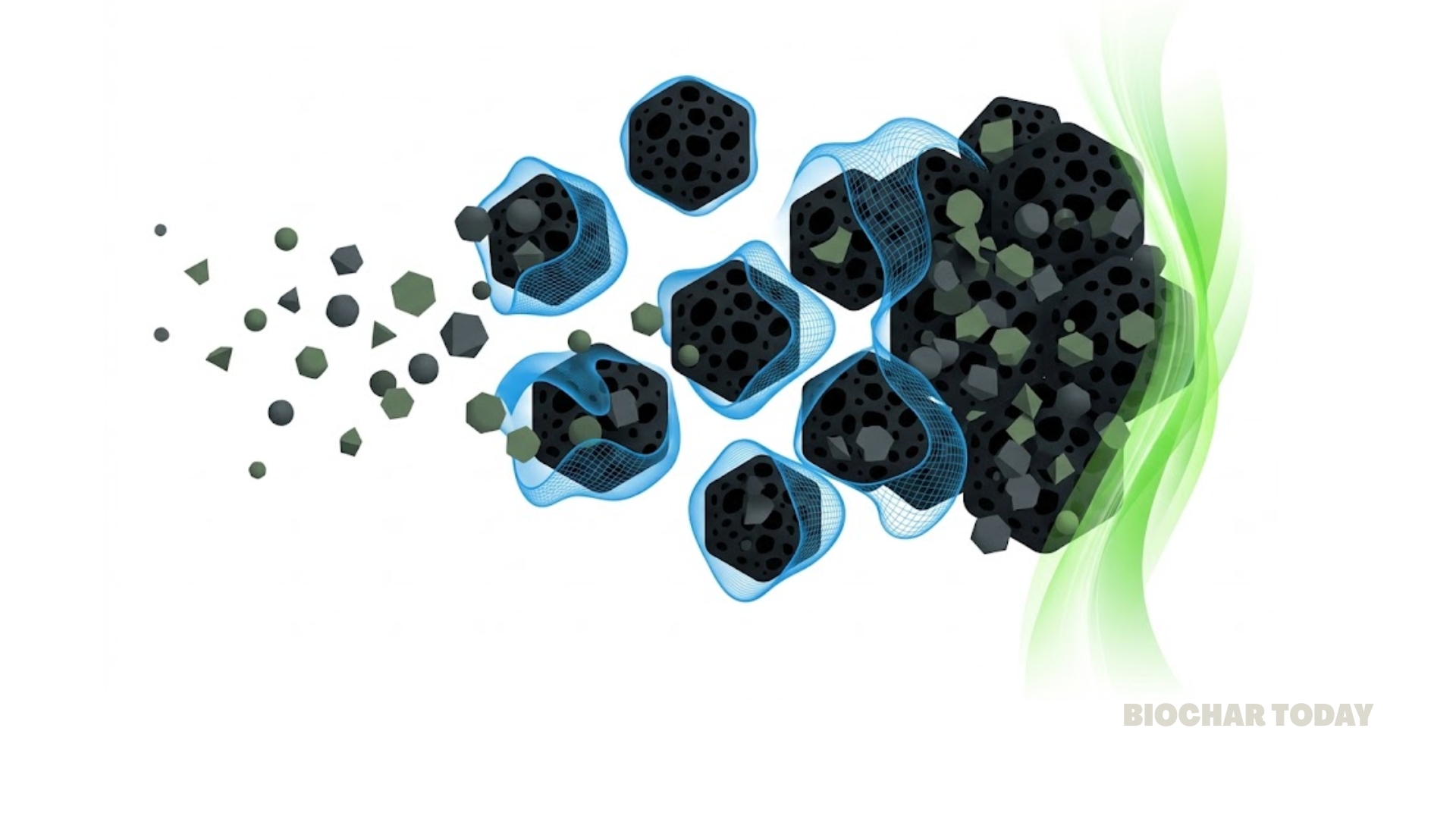
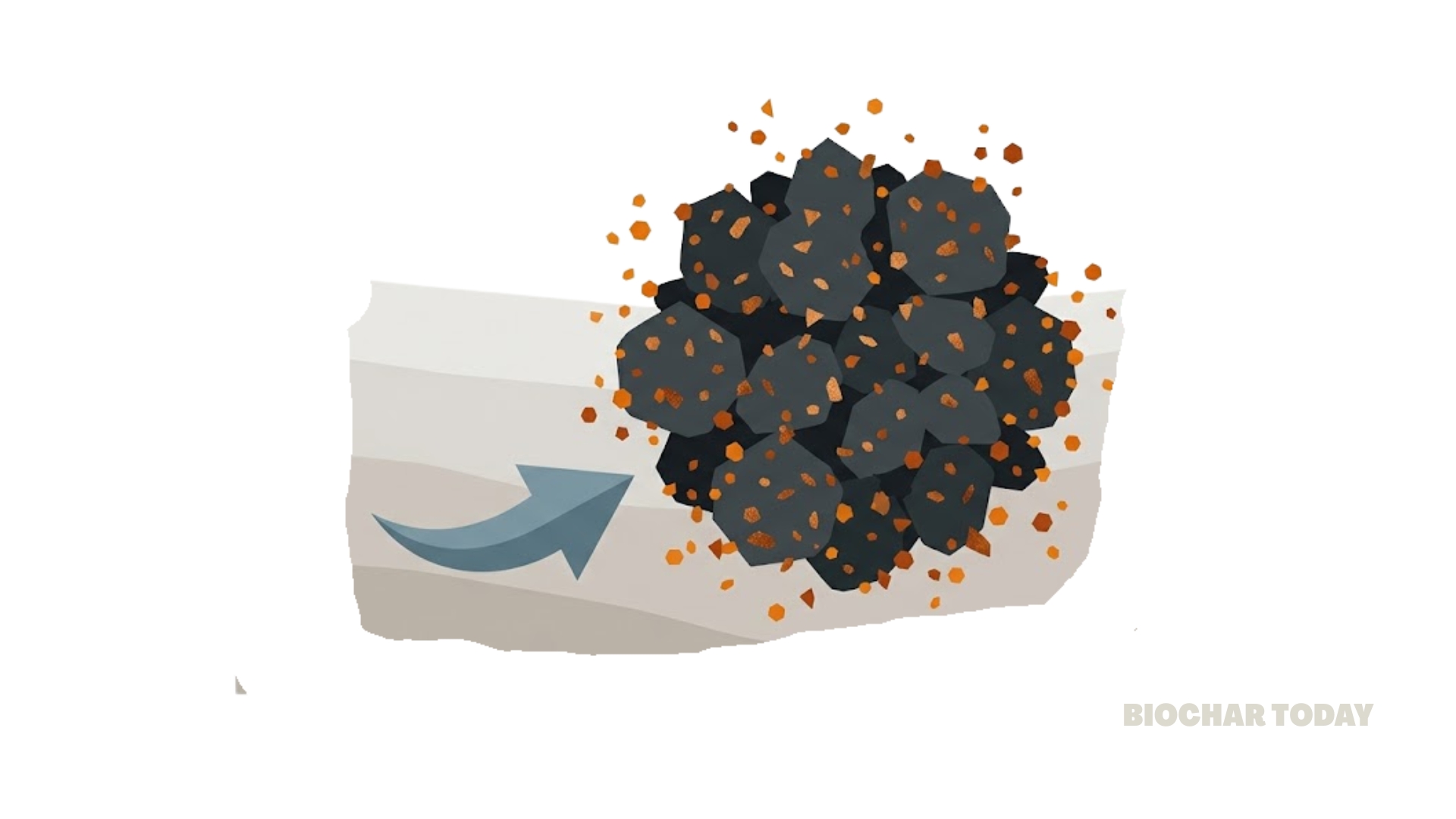
- Applying biocharBiochar is a carbon-rich material created from biomass decomposition in low-oxygen conditions. It has important applications in environmental remediation, soil improvement, agriculture, carbon sequestration, energy storage, and sustainable materials, promoting efficiency and reducing waste in various contexts while addressing climate change challenges. More enriched with organic materials significantly raises the pHpH is a measure of how acidic or alkaline a substance is. A pH of 7 is neutral, while lower pH values indicate acidity and higher values indicate alkalinity. Biochars are normally alkaline and can influence soil pH, often increasing it, which can be beneficial More of extremely acidic sulfate soils, creating a safer environment for crop roots.
- Rice straw-enriched biochar provides a massive boost to soil phosphorus and potassium, essential nutrients that are typically locked away in degraded lands.
- Using biochar enriched with Tithonia sp. compost produces the highest number of productive tillers and leaves, directly leading to more vigorous rice plants.
- Cattle manure-enriched biochar is the most effective treatment for increasing soil organic carbon, which helps the land hold more water and nutrients over time.
- This sustainable technology reduces the need for expensive chemical fertilizers and helps fight climate change by trapping carbon in the soil for years.
Acid sulfate soils are a major barrier to global food security due to their extreme acidity and high levels of toxic metals like aluminum and iron. In a study published in the Journal of Degraded and Mining Lands Management, Agusalim Masulili and his research team explored how a specialized soil amendment—biochar enriched with local organic waste—could rehabilitate these “poisoned” lands. By mixing rice husk biochar with materials like rice straw, chicken manure, and cattle manure, the researchers aimed to provide a long-lasting solution for farmers struggling with rice yields that currently average below two tons per hectare.
The findings demonstrate that this enriched biochar functions as a powerful soil neutralizer and nutrient reservoir. One of the most critical results was the shift in soil pH from a dangerously acidic level of roughly 3.8 to more favorable levels above 4.4. This change is vital because it reduces the solubility of toxic aluminum and iron, which otherwise damage root membranes and prevent rice plants from absorbing water and nutrients. By neutralizing the “proton toxicity” of the soil, the amendments allowed the rice seedlings to develop deeper, healthier root systems.
Among the various recipes tested, rice straw-enriched biochar emerged as a standout performer for nutrient availability. It achieved a remarkable 636% increase in available phosphorus compared to untreated soil. This is particularly significant because phosphorus is typically rendered useless in acid soils by binding to iron and aluminum oxides. The high silica content in the rice straw competes for these binding sites, effectively “pushing” the phosphorus back into the soil solution where the rice plants can use it for energy and cell division.
The study also highlighted the physical and biological benefits of this technology. Cattle manure-enriched biochar increased soil organic carbon by 54%, improving the soil’s structure and its ability to act as a sponge for water—a crucial trait for surviving periods of drought. Meanwhile, Tithonia sp. compost-enriched biochar excelled in stimulating plant growth, resulting in the highest leaf numbers and nearly 39 productive tillers per plant. The porous structure of the biochar provides a “micro-habitat” for beneficial soil bacteria, ensuring a steady, slow-release supply of nitrogen throughout the growing season.
From an environmental and economic perspective, enriched biochar offers a “negative emission” technology that is both eco-friendly and practical. While the initial cost of producing biochar is higher than simply applying fresh manure, the study notes that biochar remains in the soil for five to ten years, whereas fresh organic matter decomposes in just a few months. Furthermore, using these amendments can reduce harmful greenhouse gas emissions, such as nitrous oxide, by 18%. For resource-limited farmers in tropical regions, turning local agricultural waste into enriched biochar provides a sustainable path toward doubling rice yields and securing long-term land health.
Source: Masulili, A., Rahayu, S., Suci, I. A., & Kurniadi, E. (2026). Application of organic matter-enriched biochar for improving degraded acid sulfate soil properties in rice (Oryza sativa L.) cultivation. Journal of Degraded and Mining Lands Management, 13(1), 9177-9190. doi:10.15243/jdmlm.2026.131.9177.



Leave a Reply