
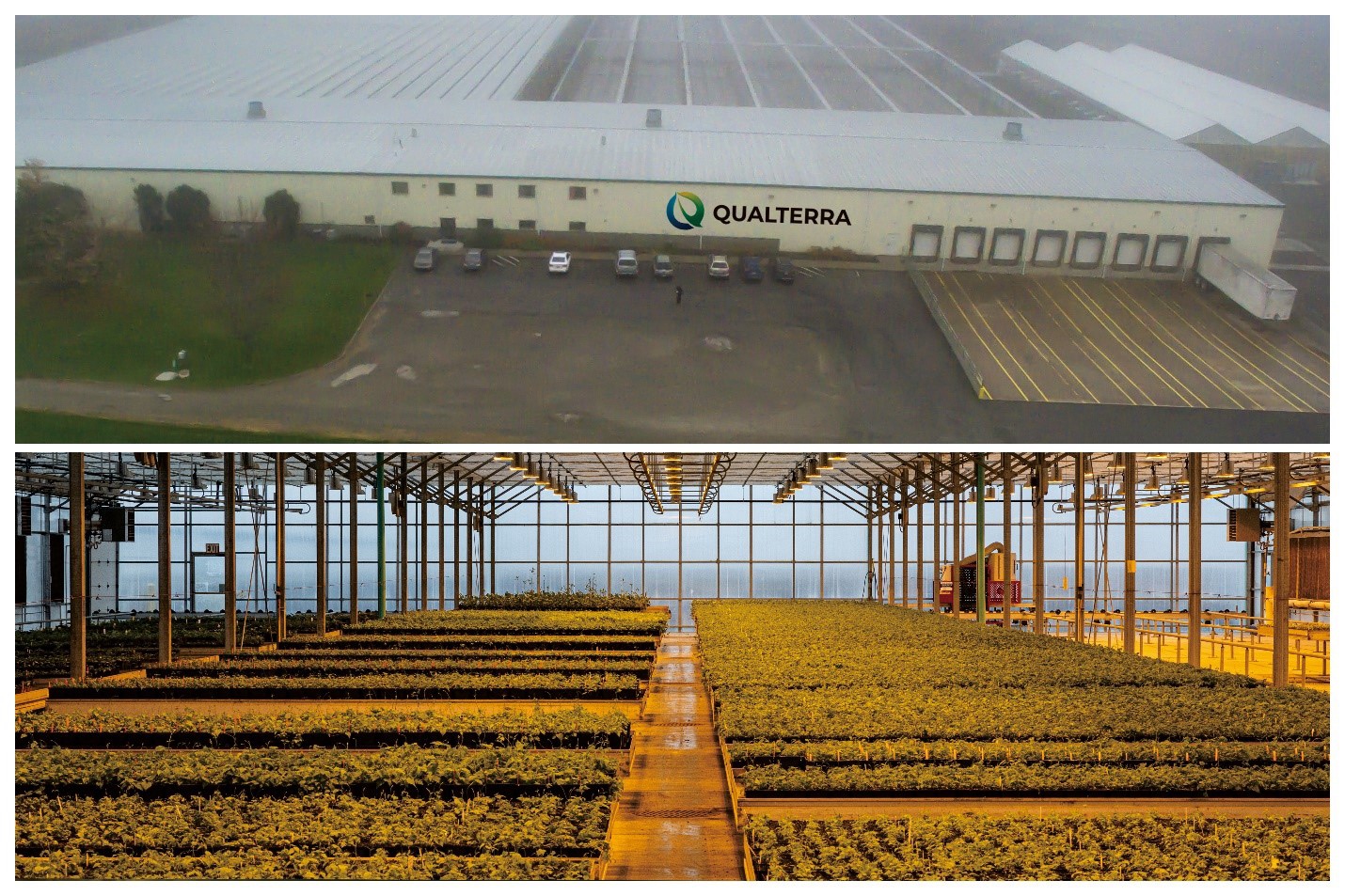
Qualterra, an Eastern Washington-based ag-tech company, has raised $4.5 million to expand its biocharBiochar is a carbon-rich material created from biomass decomposition in low-oxygen conditions. It has important applications in environmental remediation, soil improvement, agriculture, carbon sequestration, energy storage, and sustainable materials, promoting efficiency and reducing waste in various contexts while addressing climate change challenges. More production and launch the sale of carbon credits. The company transforms organic waste into biochar, a soil-enhancing material that boosts crop growth while sequestering carbon. Qualterra has moved into a new state-of-the-art greenhouse campus, increasing its plant production capacity tenfold.
Turning Waste into Agricultural Value
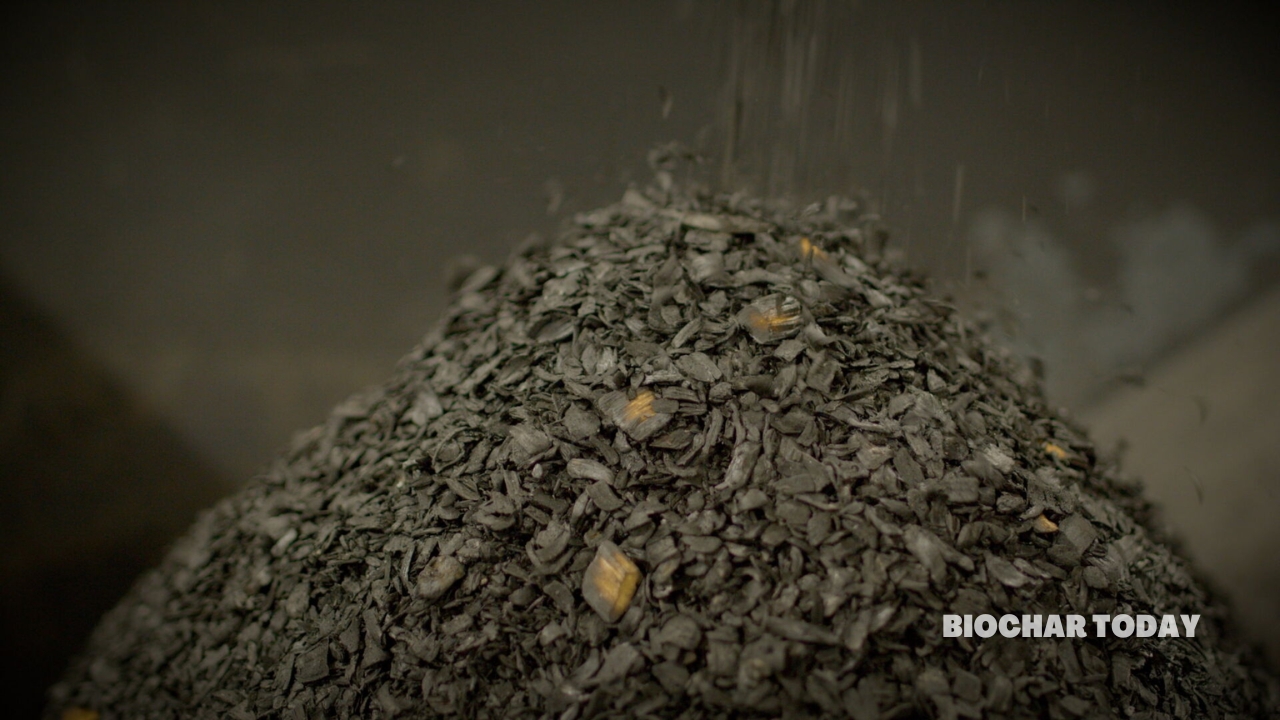
Biochar, a charcoal-like substance, is created through pyrolysis—a process that heats organic material in a low-oxygen environment, producing a stable form of carbon. Qualterra can convert 20 different types of agricultural and forestry waste into biochar, including wheat straw, orchard residue, and timber waste. The company is rigorously testing its biochar with 13 different crops across three U.S. states to validate its effectiveness.
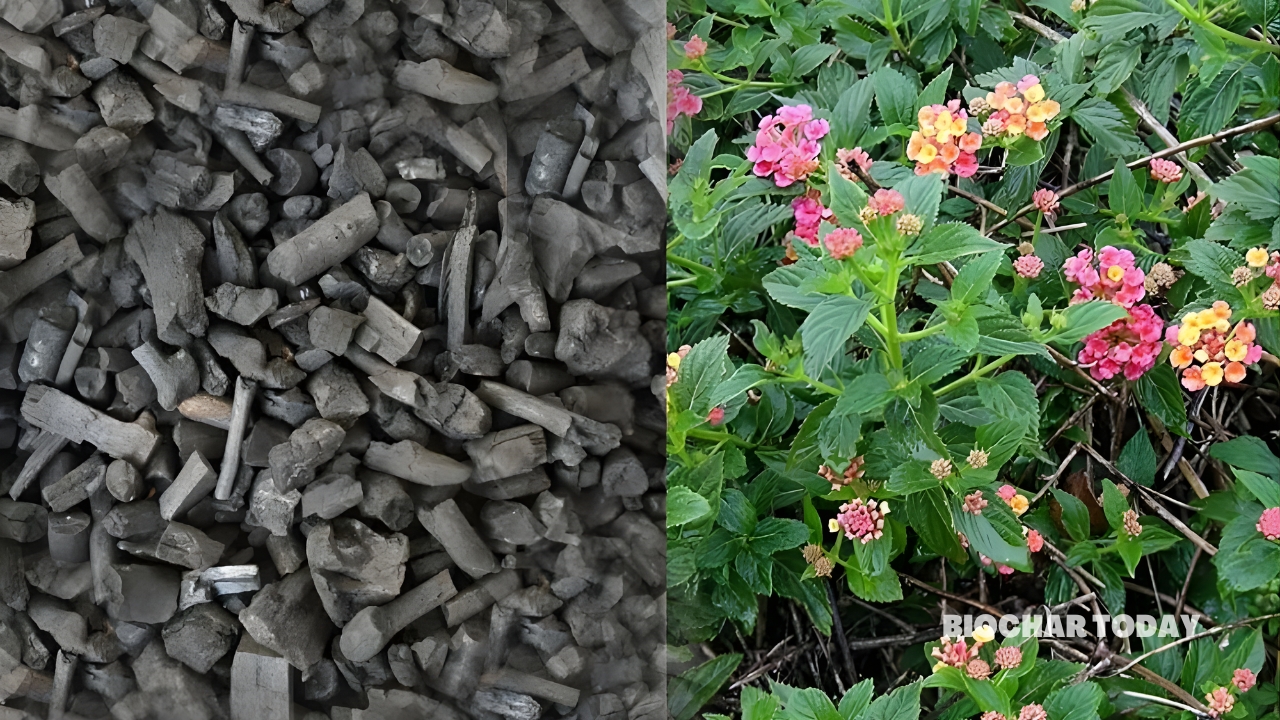
Unlike traditional fertilizers, biochar enhances soil health by fostering beneficial microorganisms and reducing irrigation needs. Properly applied, its soil benefits can last for centuries. CEO Mike Werner highlights its economic viability for farmers, saying, “It improves the efficiency and effectiveness of soils in a way that’s sustainable for growers.”
Expanding Facilities and Production
To scale its impact, Qualterra has relocated to a 297-acre horticulture greenhouse campus in Mabton, Washington. The site includes seven acres of controlled-environment greenhouses, a 63,000-square-foot warehouse, and a tissue culture micropropagation laboratory. The new facilities will enable the company to grow over 15 million plants annually, a tenfold increase from its previous capacity.
The expansion was made possible through a strategic investment by the Cowles Real Estate Company, which acquired the greenhouse campus. Qualterra is leasing the space and integrating biochar-enriched soil into its plant propagation operations.
Multi-Faceted Agricultural Solutions
In addition to biochar, Qualterra provides molecular plant testing and nursery plants for farmers. The company offers rapid genetic screening for crop diseases, including “little cherry virus,” which affects cherry trees. It also grows apple, cherry, grape, hops, and rose plants in biochar-enriched soil to improve plant health and resilience.
The company was formed in 2021 through the merger of NuPhY, a crop genetics and disease-testing business, and Ag Energy Solutions, which specialized in biochar and renewable energy systems. Qualterra currently employs 38 people, with plans to more than double its workforce this year.
Positioning for Growth in Ag-Tech
While venture capital investment in ag-tech has declined from a 2021 peak of $13.9 billion to $6 billion in 2024, Qualterra remains optimistic. The industry continues to attract funding, particularly in precision agriculture and biotechnology. Washington-based ag-tech companies like Carbon Robotics and TerraClear have also secured significant investments, highlighting the sector’s resilience.
By combining biochar production, molecular plant testing, and large-scale propagation, Qualterra is positioning itself as a leader in sustainable agriculture. “Making sure that the technologies align with the values and needs of farmers is critical,” Werner said. With its expanded facilities and new funding, the company aims to drive innovation in soil health, plant science, and carbon sequestration.
Read More
- Qualterra To Occupy Next-Generation Horticulture Greenhouse Campus in Mabton, WA, with Strategic Investment from Cowles Company
- Qualterra raises $4.5M to turn organic waste into carbon-trapping, crop-boosting biochar


Leave a Reply