
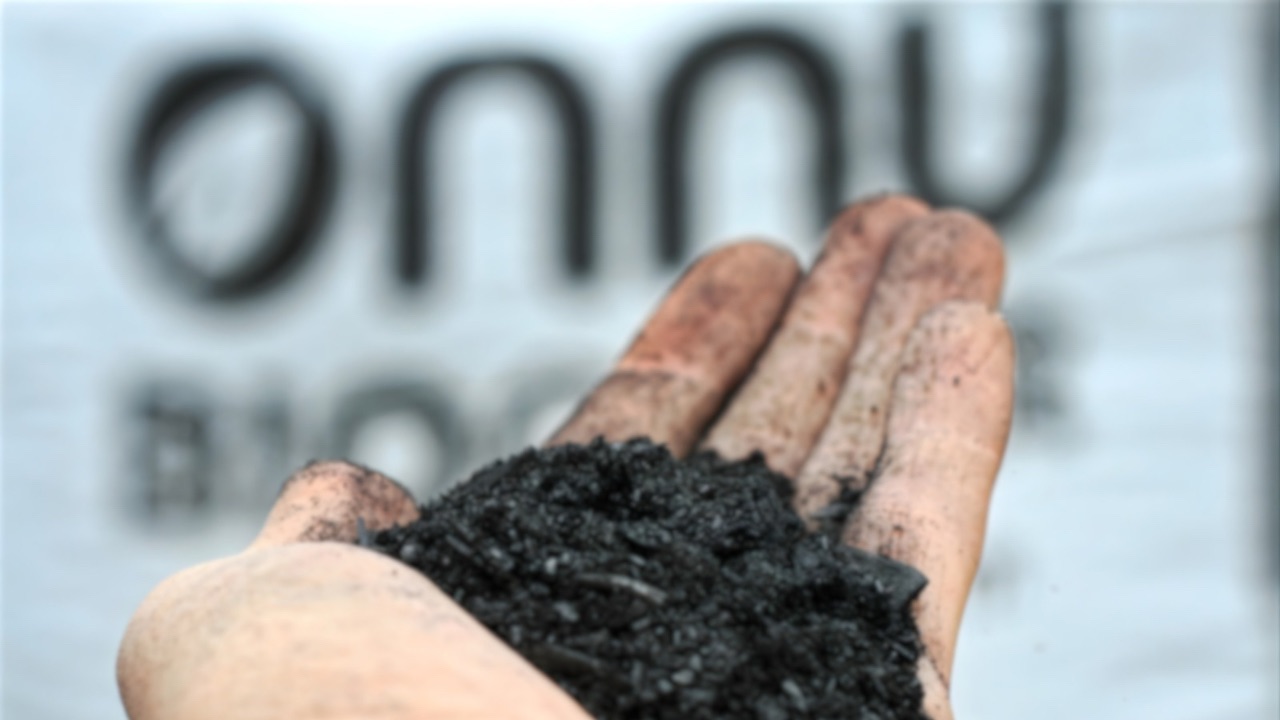
Onnu, a United Kingdom-based pyrolysisPyrolysis is a thermochemical process that converts waste biomass into bio-char, bio-oil, and pyro-gas. It offers significant advantages in waste valorization, turning low-value materials into economically valuable resources. Its versatility allows for tailored products based on operational conditions, presenting itself as a cost-effective and efficient More company, has transitioned from project development to technology provision through a significant partnership with Agrotech Bioenergy. This collaboration involves the deployment of Onnu’s proprietary CarboFlow technology in Sabah, East Malaysia. The project focuses on converting previously underutilized plantation residues, such as palm trunks and bamboo, into renewable energy, high-grade biocharBiochar is a carbon-rich material created from biomass decomposition in low-oxygen conditions. It has important applications in environmental remediation, soil improvement, agriculture, carbon sequestration, energy storage, and sustainable materials, promoting efficiency and reducing waste in various contexts while addressing climate change challenges. More, and verified carbon credits, marking a strategic step in managing tropical agricultural waste.
Historically, the sector has struggled with prohibitive capital costs, limited equipment options, and extensive lead times—often up to eighteen months—resulting in typical payback periods of seven years. Furthermore, conventional plantation management involves leaving biomassBiomass is a complex biological organic or non-organic solid product derived from living or recently living organism and available naturally. Various types of wastes such as animal manure, waste paper, sludge and many industrial wastes are also treated as biomass because like natural biomass these More to decompose in the field, which releases carbon dioxide and occupies arable land, rather than utilizing the material for carbon sequestration or energy generation.
To mitigate these constraints, Onnu engineered the CarboFlow system, designed specifically to improve process efficiency and throughput. The company claims the technology reduces capital expenditure by approximately one-third compared to traditional systems and shortens manufacturing timelines to four months. By increasing deployment speed and processing capacity, the solution aims to achieve a return on investment within three years, offering a scalable alternative to composting for large-scale agricultural operations.
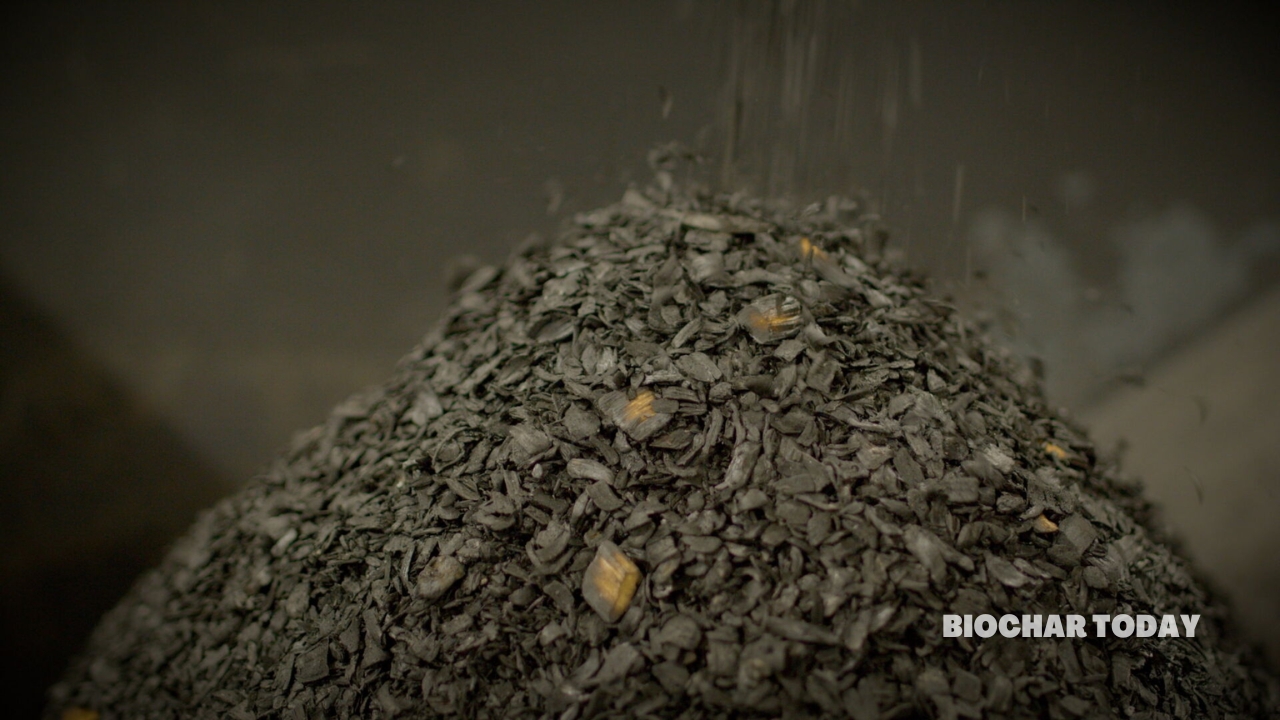
Operational as of mid-November, the Sabah project utilizes two CarboFlow units to process an estimated 41,820 tonnes of wet biomass annually. Projected outputs include 1,924 tonnes of biochar and 2,800 kW of renewable heat, which powers plantation operations. The initiative is expected to generate 3,937 carbon credits annually, verified under the Puro.earth standard and evaluated by BeZero. Future expansion plans across Southeast Asia target the sequestration of 360,000 tonnes of CO2e per year.


Leave a Reply