
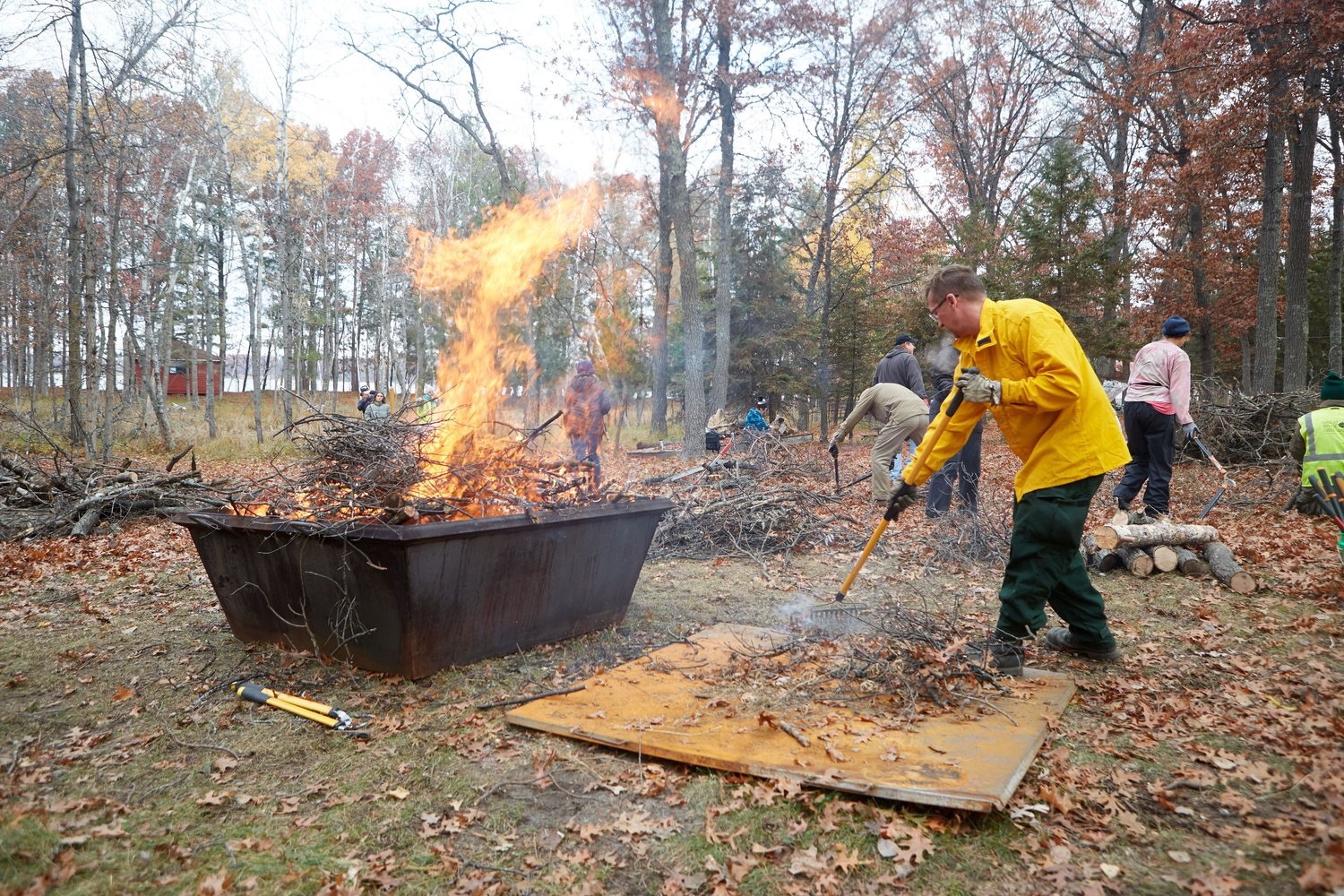
A St. Paul nonprofit, Great River Greening, is transforming how Minnesota tackles invasive plants like buckthorn, using a technology that reduces greenhouse gas emissions. Traditionally, brush piles are burned in open fires, releasing up to 1.8 pounds of CO2 for every pound of wood burned. Great River Greening offers an alternative: biocharBiochar is a carbon-rich material created from biomass decomposition in low-oxygen conditions. It has important applications in environmental remediation, soil improvement, agriculture, carbon sequestration, energy storage, and sustainable materials, promoting efficiency and reducing waste in various contexts while addressing climate change challenges. More kilns.
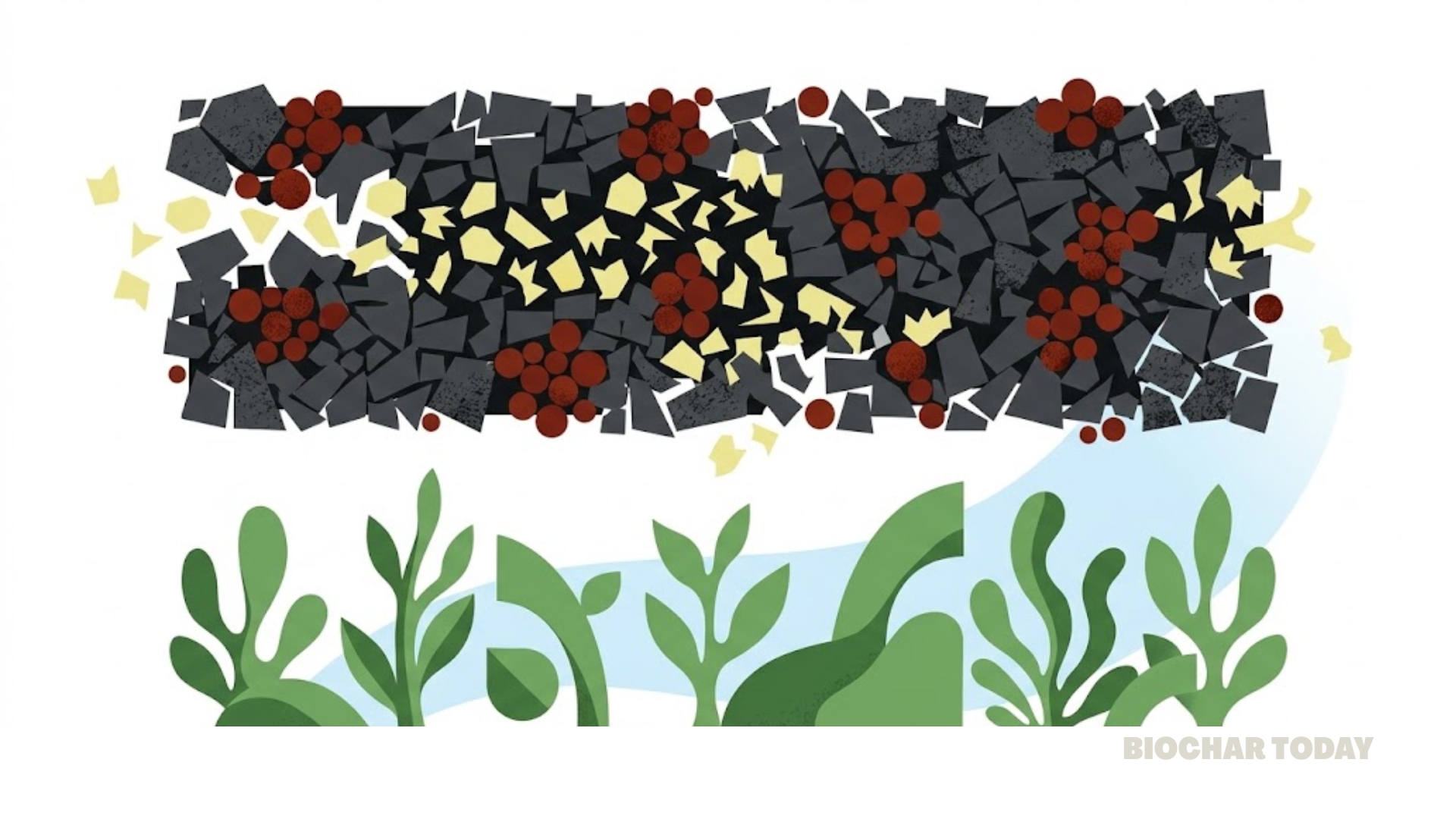
The organization recently debuted its “Big Box Kiln” at Lake Elmo Park Reserve. This kiln uses a process called pyrolysisPyrolysis is a thermochemical process that converts waste biomass into bio-char, bio-oil, and pyro-gas. It offers significant advantages in waste valorization, turning low-value materials into economically valuable resources. Its versatility allows for tailored products based on operational conditions, presenting itself as a cost-effective and efficient More, burning wood at high temperatures in a low-oxygen environment. Instead of releasing CO2 into the air, the process creates biochar, a charcoal-like substance that sequesters carbon in the soil. Biochar improves soil health by retaining nutrients and can be mixed with compost for gardening, farming, and land restoration.
Great River Greening’s kilns—ranging from small portable units to the 10-foot-long Big Box Kiln—can convert up to 45 cubic yards of wood waste into 9 cubic yards of biochar. The kilns are already being used by local governments and conservation groups, with plans to expand access to farmers and rural communities.
Funded by organizations like CenterPoint Energy and the Minnesota Environment and Natural Resources Trust Fund, this innovation addresses two critical issues: reducing emissions from brush pile burns and managing invasive plant waste.
As the nonprofit works to make the kilns more accessible, Executive Director Kateri Routh emphasizes the initiative’s potential: “Biochar is a climate-smart solution to a growing environmental challenge.”

Leave a Reply