
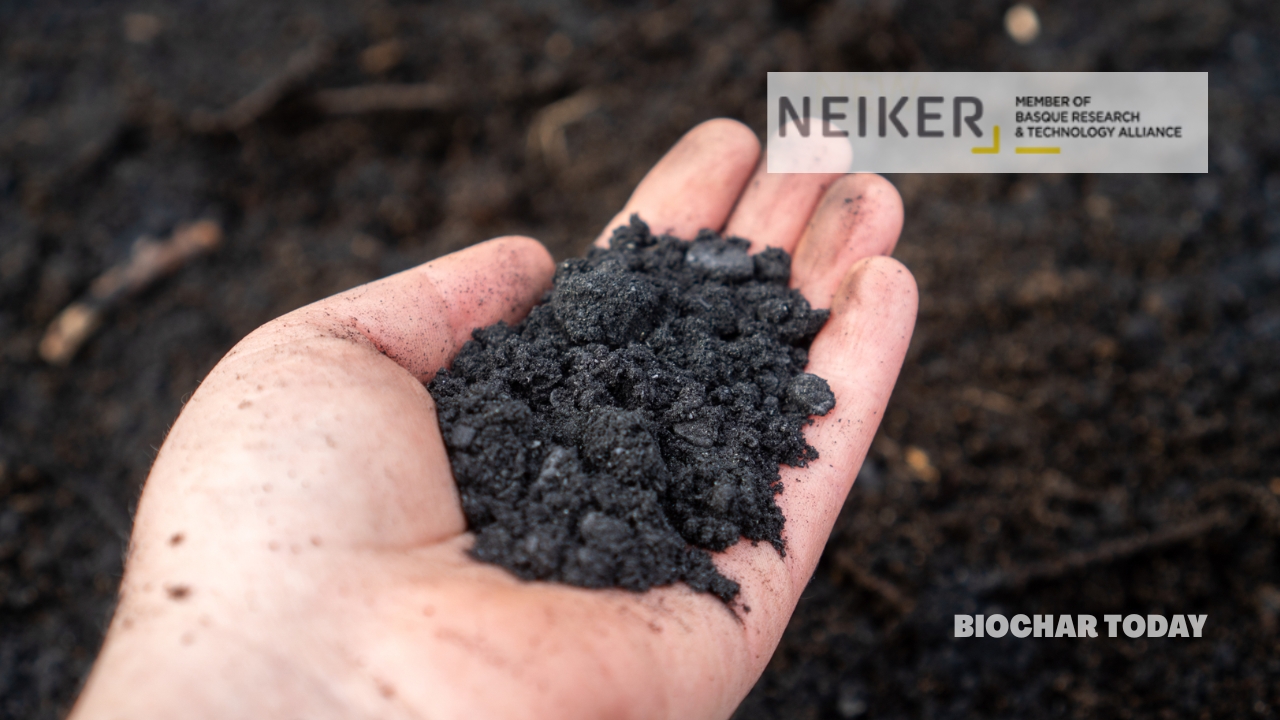
The NEIKER technology center in Spain recently published results from research aimed at providing the livestock sector with scientific tools to meet international requirements for a 30% reduction in methane emissions by 2030. Their study centers on the validation of “inoculated biochar”—vegetable charcoalCharcoal is a black, brittle, and porous material produced by heating wood or other organic substances in a low-oxygen environment. It is primarily used as a fuel source for cooking and heating. More combined with beneficial microorganisms—as a dietary supplement for ruminants. This approach is part of a broader effort to mitigate enteric gases from digestion, a natural but environmentally taxing process, while ensuring that farming operations remain economically viable.
The primary challenge addressed by NEIKER is the potent global warming impact of methane generated during ruminant fermentation. In the rumen, microorganisms ferment fiber and produce hydrogen, which methanogenic archaea then use to create methane; this process also represents a 5% to 7% loss of gross energy intake for the animal. Furthermore, the industry is shifting from measuring “emission intensity” (methane per liter of milk) to absolute daily emissions, placing pressure on both intensive and grazing systems to reduce the total net amount of methane released into the atmosphere.
To solve this, NEIKER tested the inclusion of biocharBiochar is a carbon-rich material created from biomass decomposition in low-oxygen conditions. It has important applications in environmental remediation, soil improvement, agriculture, carbon sequestration, energy storage, and sustainable materials, promoting efficiency and reducing waste in various contexts while addressing climate change challenges. More in livestock feed at a rate of 2% of the total diet. This strategy targets the chemical reactions within the rumen to limit hydrogen formation without harming animal health. By inoculating the biochar with microorganisms, the material serves as a delivery system that can more effectively intervene in the rumen’s fermentation tank. This nutritional additive works alongside other strategies the center is validating, such as lipid supplementation and genetic selection for low-emission cattle.
The outcomes of the NEIKER trials demonstrate that adding 2% inoculated biochar to ruminant diets reduces methane emissions by 30%. Crucially, this mitigation was achieved without compromising production performance or essential quality parameters, such as the fat and protein levels in milk. These findings suggest that inoculated biochar is a scalable solution that aligns with the UN’s sustainable development goals by helping the sector reconcile environmental targets with the profitability and viability of farms.




Leave a Reply