
Key Takeaways
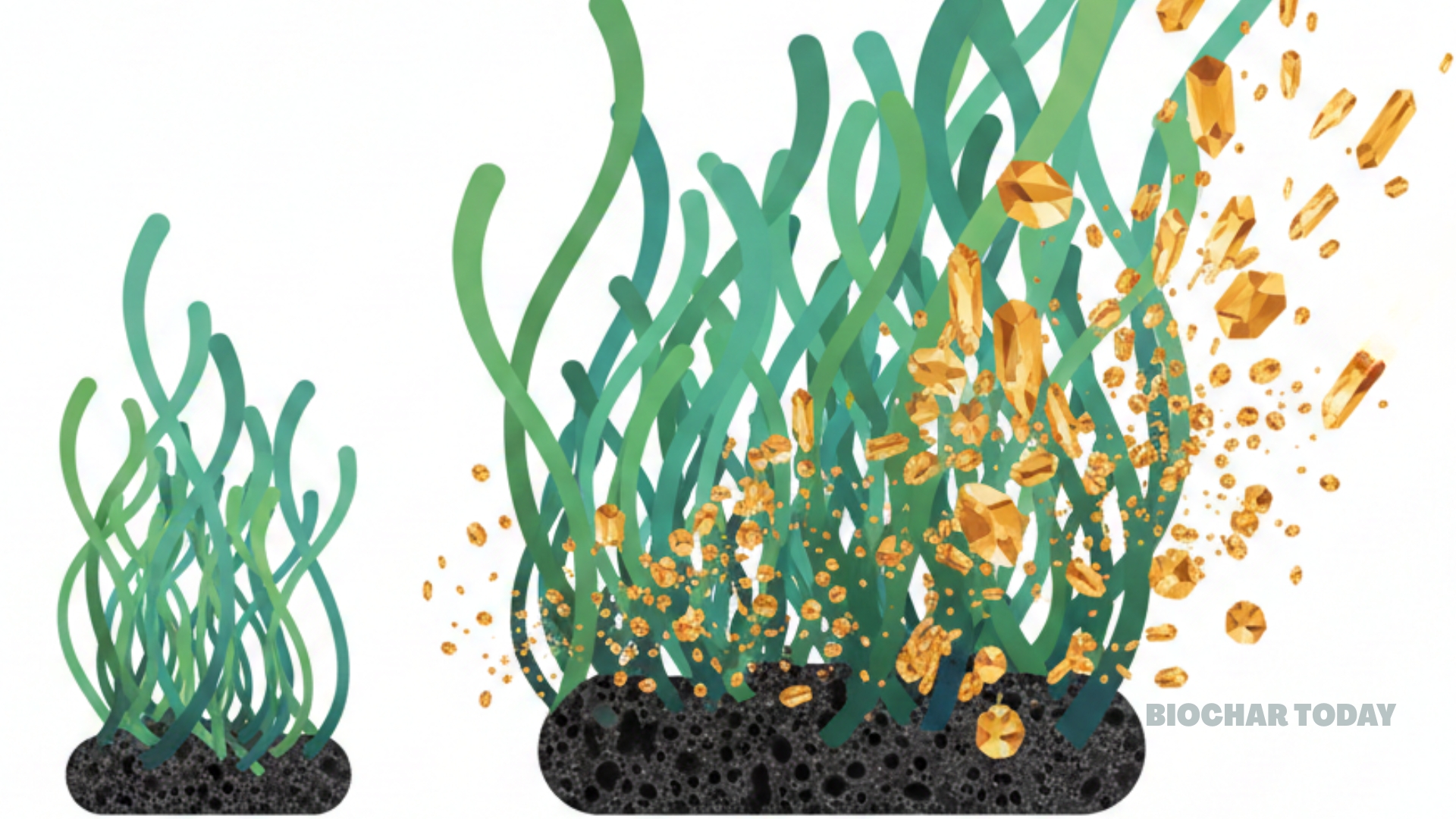
- Adding modified bamboo charcoalCharcoal is a black, brittle, and porous material produced by heating wood or other organic substances in a low-oxygen environment. It is primarily used as a fuel source for cooking and heating. More to soil helps willow plants grow larger and stronger even in areas contaminated with toxic heavy metals.
- The special phosphorus-treated charcoal makes it easier for plants to pull toxic cadmium out of the soil and store it in their stems and leaves.
- This treatment encourages a specific group of helpful soil bacteria to thrive, which further assists the plant roots in cleaning the soil.
- The method is more efficient than using regular charcoal because it improves the plant’s ability to move toxins from its roots to its upper parts.
- Using these eco-friendly materials offers a green way to restore polluted land using fast-growing trees.
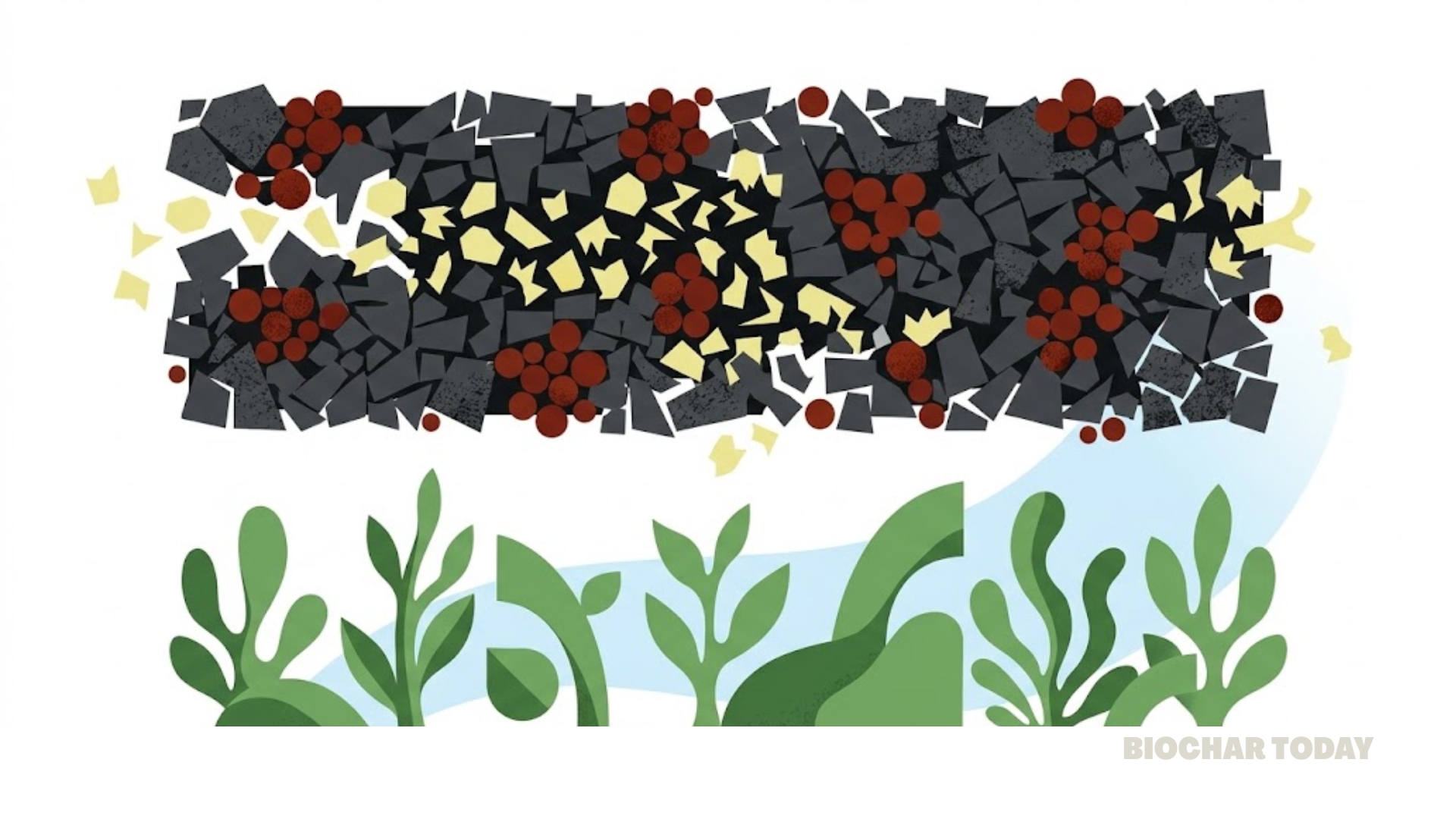
PhytoremediationThis is a technique that uses plants to clean up contaminated soil or water. Biochar can enhance phytoremediation by improving soil conditions and promoting plant growth, allowing plants to absorb and break down pollutants more effectively. More is an eco-friendly technology that uses the natural relationship between plant roots and soil microbes to clean contaminated environments. In this study published in the journal BiocharBiochar is a carbon-rich material created from biomass decomposition in low-oxygen conditions. It has important applications in environmental remediation, soil improvement, agriculture, carbon sequestration, energy storage, and sustainable materials, promoting efficiency and reducing waste in various contexts while addressing climate change challenges. More, researchers Dongliu Di, Shaokun Wang, Xu Gai, Jiang Xiao, Haoran Li, and Guangcai Chen investigated how different types of engineered bamboo charcoal could improve the ability of willow trees to remove cadmium from soil. While regular charcoal can help, it often has a limited capacity to hold onto toxins or help plants grow. To solve this, the team tested biochar modified with phosphorus-rich organic sources like phytic acid and sodium phytate. They found that these modifications created a more effective slow-release nutrient source that supported sustainable plant growth while specifically targeting the mobility of cadmium.
The results showed that the phytic acid-modified biochar was particularly effective at improving the physical traits of the willow plants. It led to significant increases in root length, surface area, and volume, which allowed the trees to explore more soil for nutrients and toxins. Specifically, the treatment resulted in the highest biomassBiomass is a complex biological organic or non-organic solid product derived from living or recently living organism and available naturally. Various types of wastes such as animal manure, waste paper, sludge and many industrial wastes are also treated as biomass because like natural biomass these More for roots, stems, and leaves, with root biomass increasing by over 144% compared to plants grown without any biochar. This increase in size is crucial because larger plants can physically hold more of the heavy metal. Additionally, the plants showed better health through higher rates of photosynthesis and transpiration, especially when the phosphorus-modified versions were applied to the soil.
The study also highlighted a major shift in how the plants handled the cadmium they absorbed. Instead of keeping the toxic metal in their roots, the trees treated with modified biochar moved much more of it into their above-ground parts like stems and leaves. This translocation is vital for cleaning soil because the metal-rich wood can eventually be harvested and safely removed from the site. The researchers discovered that this process was heavily influenced by changes in the soil’s bacterial community. The biochar acted as a habitat and food source for specific bacteria that prefer carbon and phosphorus. These bacteria helped make the cadmium more available for the roots to take up while simultaneously promoting even more root development.
Ultimately, the research proved that modified bamboo charcoal is a powerful tool for environmental cleanup. It does not just act as a filter but actively works with the plant and soil microbes to create a more efficient cleaning system. The team identified cadmium concentration, root biomass, and the activity of rhizosphere microbes as the most important factors for predicting how well a site can be cleaned. By using these engineered materials, scientists can optimize the natural strengths of trees like willows to restore healthy soil in areas that have been heavily polluted by industrial waste or mining activities.
Source: Di, D., Wang, S., Gai, X., Xiao, J., Li, H., & Chen, G. (2026). Biochar enhanced phytoremediation efficiency of Salix for soil cadmium: the differentiated responses of bacteria and fungi to biochar and rhizosphere effects. Biochar, 8(21).

Leave a Reply