
Key Takeaways
- Modified biocharBiochar is a carbon-rich material created from biomass decomposition in low-oxygen conditions. It has important applications in environmental remediation, soil improvement, agriculture, carbon sequestration, energy storage, and sustainable materials, promoting efficiency and reducing waste in various contexts while addressing climate change challenges. More acts as a powerful sponge that traps arsenic particles, preventing them from contaminating water or plants.
- The ability of the biochar to hold onto arsenic changes over time as it is exposed to different weather conditions and soil chemistry.
- In colder climates, the process of soil freezing and thawing actually helps the biochar work better by creating more surface area to catch toxins.
- Red soils and black soils react differently to treatment, meaning that land cleanup strategies must be customized based on the specific type of earth being treated.
- This research provides a more realistic understanding of how biochar performs in nature over several years rather than just in a short-term laboratory test.
The study published in the journal Chemosphere by authors Meitong Li and colleagues explores the long-term effectiveness of specialized biochar in treating contaminated soils. The research focuses specifically on how cerium-manganese modified biochar interacts with arsenic under different environmental aging conditions. By examining both red and black soils, the authors provide a comprehensive look at how geographic and climatic factors influence the ability of biochar to stabilize hazardous elements. The investigation highlights that the initial application of modified biochar is highly effective at reducing the amount of arsenic that can dissolve into the environment, but the permanence of this solution depends heavily on the specific aging processes the soil undergoes over time.
The researchers analyzed three distinct aging processes including natural aging, wet-dry cycles, and freeze-thaw cycles to see how they altered the chemical bond between the biochar and the arsenic. In red soils, which are typically more acidic and rich in iron, the modified biochar showed a remarkable capacity for arsenic immobilization. However, as the soil aged naturally or through repeated wetting and drying, some of the captured arsenic began to show signs of becoming mobile again. This transition is a critical point of concern for land managers, as it suggests that the benefits of biochar amendments might fluctuate as the seasons change. The study clarifies that the chemical composition of the soil itself dictates how the biochar surface evolves, with red soils behaving differently than the organic-rich black soils common in temperate regions.
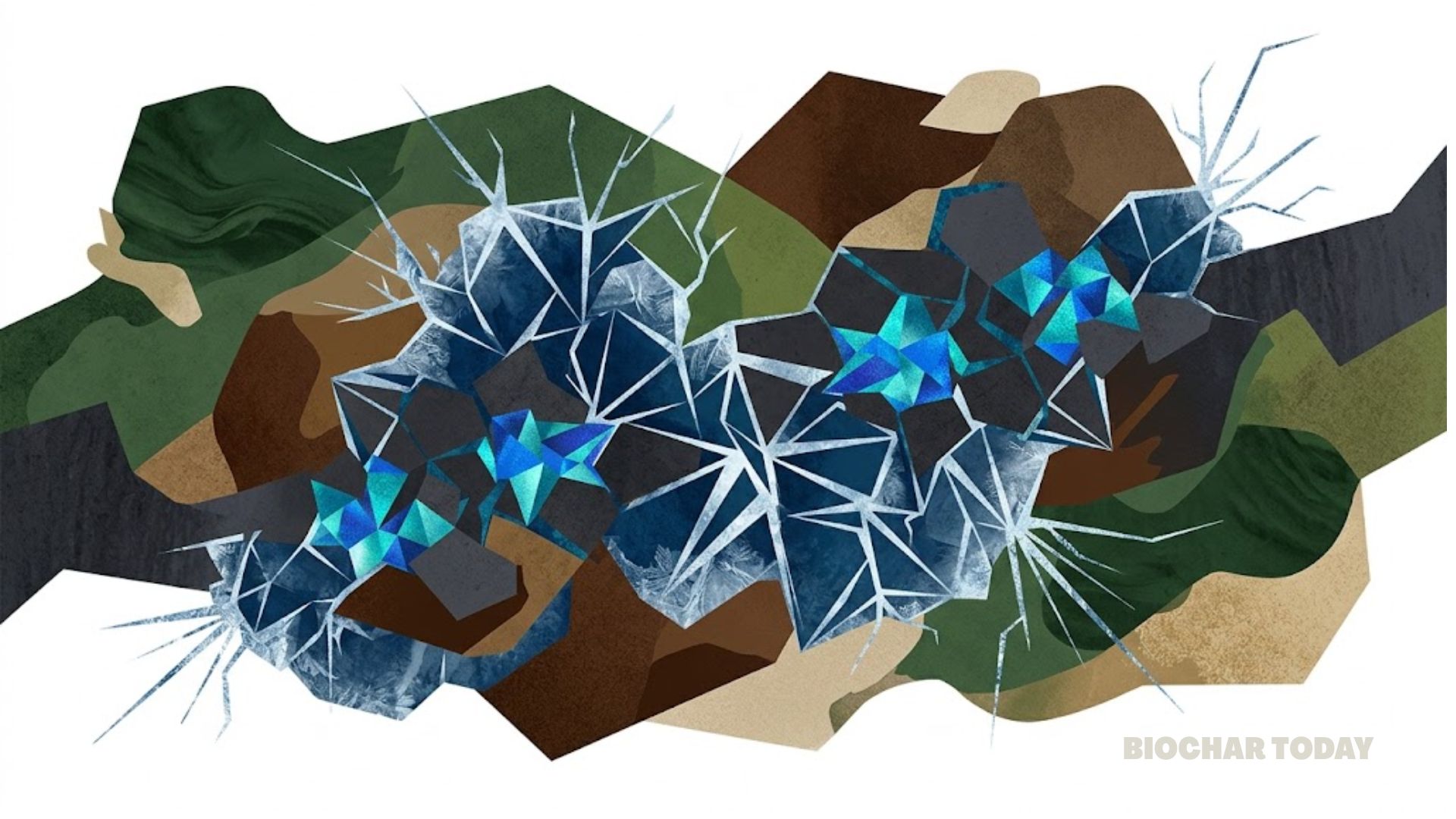
One of the most significant findings of this research is the unique role played by freeze-thaw cycling, a process common in many global regions. Contrary to expectations that extreme weather might break down the effectiveness of soil amendments, the researchers found that the repeated freezing and thawing of the soil actually enhanced the immobilization of arsenic in many cases. At the micro and nano interfaces, these temperature shifts caused physical and chemical changes that increased the contact between the arsenic and the cerium-manganese oxides on the biochar. This mechanical action appears to expose new binding sites or “pockets” within the biochar structure, allowing it to trap arsenic more securely than it did immediately after application.
In black soils, the high level of organic matter creates a different set of challenges and opportunities for arsenic remediation. The study found that the presence of humic substances can sometimes compete with arsenic for space on the biochar surface. Despite this competition, the modified biochar maintained a strong performance profile. The results indicate that the cerium and manganese modifications are essential because they transform the biochar from a simple carbon structure into an active chemical filter. These metals facilitate oxidation reactions that turn more toxic forms of arsenic into less mobile forms, effectively locking them into the soil matrix. This process is vital for protecting groundwater and ensuring that food crops grown in these areas do not absorb dangerous levels of the element.
The implications of this study are far-reaching for the biochar industry and environmental engineering. It demonstrates that the fate of arsenic is not static but is governed by a complex interplay of soil type and climatic cycles. The research underscores that modified biochar is not just a temporary fix but a dynamic material that can evolve to become more effective under certain environmental stresses like freezing. By focusing on the microscopic interfaces where these reactions occur, the study provides a roadmap for predicting how treated land will behave over decades. This allows for more precise applications of biochar, ensuring that the right modifications are used for the right soil types and climates.
Ultimately, the work of Li and the research team confirms that cerium-manganese modified biochar is a robust tool for environmental protection. The quantitative evidence showing improved arsenic capture during freeze-thaw cycles offers a new perspective on remediation in cold regions. This move away from simple laboratory snapshots toward a long-term understanding of aging ensures that soil restoration projects are both sustainable and reliable. As the industry moves toward more sophisticated soil amendments, understanding these nano-scale interactions becomes the key to managing global soil contamination effectively and safely.
Source: Li, M., et al. (2024). Contrasting effects of three aging processes on arsenic immobilization in red versus black soils amended by cerium-manganese modified biochar: the unique role of freeze–thaw cycling in governing arsenic fate at micro/nano interfaces. Chemosphere.




Leave a Reply