

The Manfred-Hermsen-Stiftung, in collaboration with partners Argonauta, Eco-Logic, and Giacche Verdi Bronte, has launched a multi-national initiative to integrate biocharBiochar is a carbon-rich material created from biomass decomposition in low-oxygen conditions. It has important applications in environmental remediation, soil improvement, agriculture, carbon sequestration, energy storage, and sustainable materials, promoting efficiency and reducing waste in various contexts while addressing climate change challenges. More into the climate strategies of Italy, Croatia, and North Macedonia. Funded by the European Climate Initiative (EUKI), the project titled “Cutting Carbon – Promoting Biochar for Climate Change Mitigation” aims to establish biochar as a recognized tool for carbon sequestration and soil restoration. The initiative spans from December 2025 to April 2028, targeting smallholder farms and urban ecosystems. By aligning with the EU Green Deal and the Farm-to-Fork strategy, the consortium seeks to institutionalize biochar production and application within national and regional policy frameworks.
The primary challenge addressed by this project is the systemic absence of biochar from the official climate and agricultural policies of the participating countries. Despite its proven capacity for long-term carbon storage and soil enhancement, Mediterranean smallholder farmers continue the widespread practice of open burning for pruning residues. This traditional disposal method results in significant greenhouse gas emissions and missed opportunities for land restoration in regions increasingly susceptible to soil degradation and desertification. Furthermore, urban environments in these countries face escalating heat and drought stress, yet biochar-based solutions for urban tree resilience and green infrastructure remain largely underutilized or unknown.
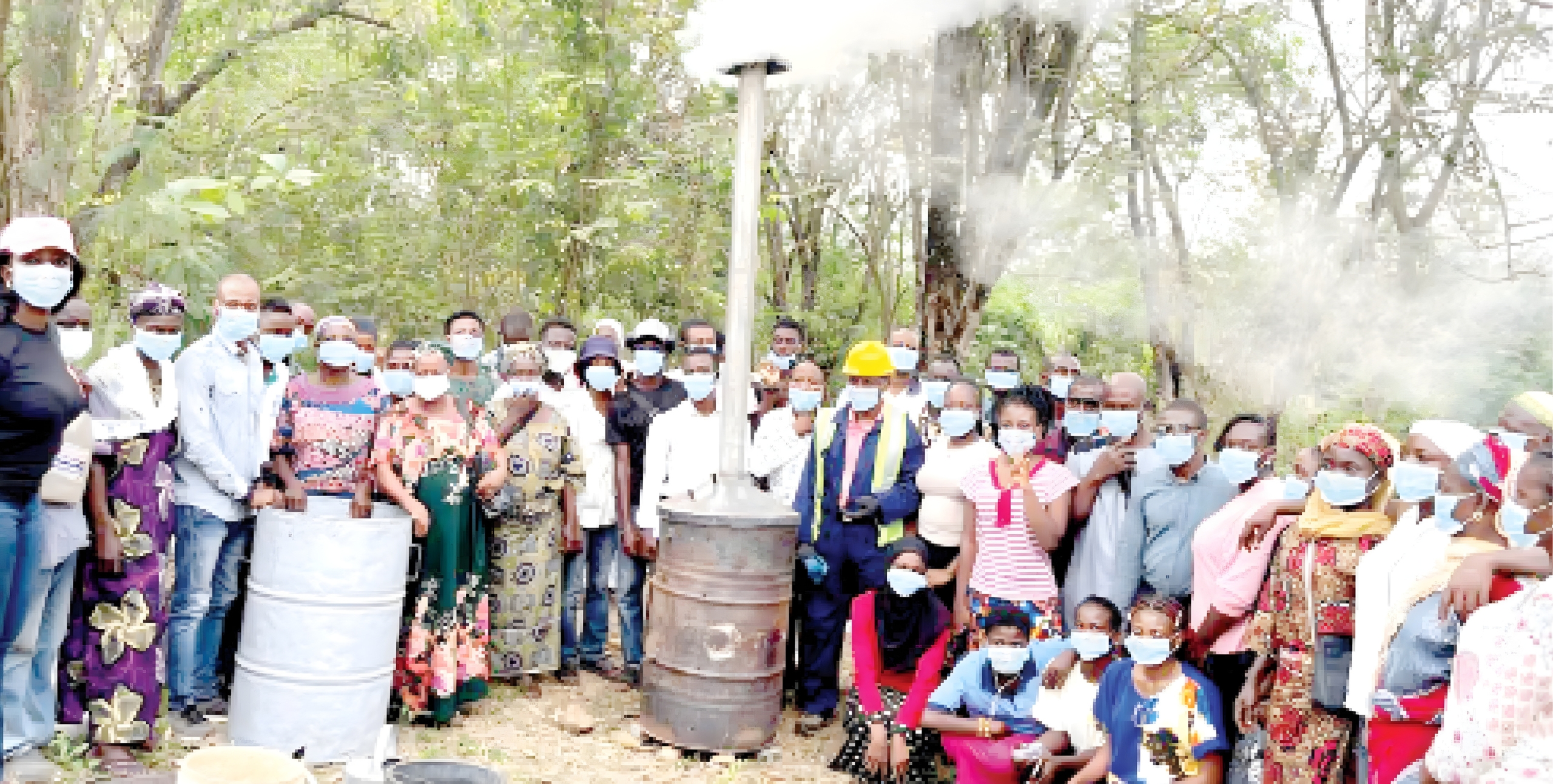
To overcome these barriers, the implementing organizations are conducting scientifically monitored field trials and workshops to demonstrate the efficacy of sustainable carbonization. The solution involves training farmers to replace open burning with mobile and static pyrolysisPyrolysis is a thermochemical process that converts waste biomass into bio-char, bio-oil, and pyro-gas. It offers significant advantages in waste valorization, turning low-value materials into economically valuable resources. Its versatility allows for tailored products based on operational conditions, presenting itself as a cost-effective and efficient More models, effectively converting agricultural waste into a nutrient and water buffer. In urban settings, the project works directly with municipalities to implement biochar in green roofs and tree maintenance to mitigate drought effects. Educational outreach is also a core component, engaging schoolchildren as citizen scientists and young volunteers as climate ambassadors to foster broad public awareness and build the technical skills necessary for widespread adoption.
The expected outcomes of the Manfred-Hermsen-Stiftung initiative include the acceleration of carbon sequestration across Southeast Europe and the Western Balkans through the formal adoption of biochar in agriculture and urban greening. By showcasing viable business models for pyrolysis, the project intends to strengthen rural economies and provide a pathway for North Macedonia to align its energy policies with EU regulations. These efforts are designed to result in measurable improvements in soil health, enhanced urban climate resilience, and the establishment of a robust framework for carbon removals. Ultimately, the project aims to bridge the gap between scientific potential and practical policy implementation.


Leave a Reply