
Key Takeaways
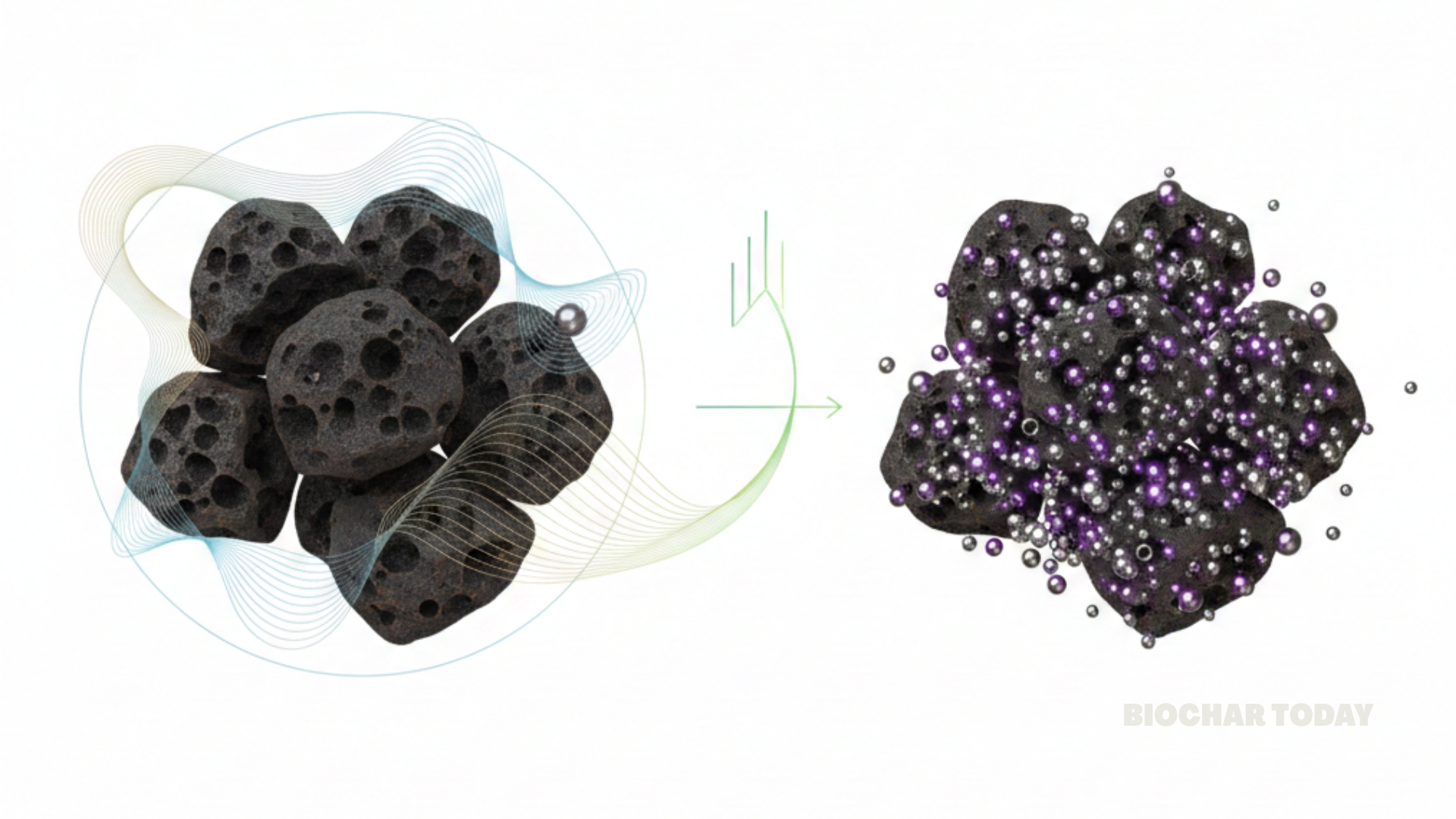
- Heating wood-chip biocharBiochar is a carbon-rich material created from biomass decomposition in low-oxygen conditions. It has important applications in environmental remediation, soil improvement, agriculture, carbon sequestration, energy storage, and sustainable materials, promoting efficiency and reducing waste in various contexts while addressing climate change challenges. More at 300 degrees Celsius for three hours increases its ability to capture lead in water compared to untreated biochar.
- This specific heat treatment changes the surface of the biochar, creating more acidic sites and increasing the available surface area by over 30 percent.
- While the modified biochar is better at grabbing lead in simple water tests, it does not consistently lower the amount of lead that humans can absorb from contaminated soil.
- A faster and cheaper testing method using X-ray technology proved to be just as accurate as expensive laboratory equipment for measuring lead in water samples.
- The effectiveness of biochar for soil cleanup depends heavily on the specific soil type and conditions rather than just the properties of the biochar itself.
In a recent thesis submitted to The Pennsylvania State University, Cara Melissa Bintrim investigated how low-temperature thermal modification affects the ability of biochar to immobilize lead in urban soils. The research sought to address the persistent challenge of legacy lead contamination in urban gardens, which poses significant health risks to communities. While many remediation strategies exist, biochar has gained attention as a sustainable option. This study specifically focused on whether heating commercial wood-chip biochar in the presence of oxygen could create a more reactive surface capable of binding lead more tightly than standard biochar.
The primary results from the laboratory characterization showed that heating biochar at 300 degrees Celsius for three hours induced significant physical and chemical changes. The heat treatment decreased the biochar pHpH is a measure of how acidic or alkaline a substance is. A pH of 7 is neutral, while lower pH values indicate acidity and higher values indicate alkalinity. Biochars are normally alkaline and can influence soil pH, often increasing it, which can be beneficial More from 10.26 to 8.79, suggesting an increase in acidic surface functional groups such as carboxyl and carbonyl groups. Additionally, the specific surface area of the material increased by approximately 31 percent, rising from 502 to 659 square meters per gram. These changes were expected to make the biochar far more attractive to lead ions in the environment.
When tested in simple water-based solutions, the heat-modified biochar performed exceptionally well. The study found that the maximum adsorption capacity for lead increased from 55 to 73 milligrams per gram after the three-hour heating process. This confirmed the initial theory that air oxidation could functionalize the biochar surface and improve its affinity for heavy metals without the need for expensive or hazardous chemical treatments. The findings suggested a promising and accessible way for smaller operations to produce a high-performance material for environmental cleanup.
However, the results shifted when the biochar was applied to actual contaminated soils. Across three separate experiments involving different lead levels and soil moisture conditions, the biochar did not consistently reduce lead bioaccessibility. In some instances, the addition of biochar even led to a temporary increase in the fraction of lead that is considered dangerous to humans. This outcome highlights the complexity of soil chemistry, where native components like clay and organic matter compete with biochar for lead binding.
The study also successfully validated a new analytical approach for measuring lead in liquid samples. By using benchtop energy-dispersive X-ray fluorescence spectroscopy, the researchers achieved results that were nearly identical to those produced by traditional, more expensive laboratory methods. This discovery is particularly important for community laboratories and field researchers who need rapid and cost-effective ways to monitor lead levels in urban environments. While the biochar itself showed limitations in soil, the advancement in testing methods provides a valuable tool for future environmental monitoring efforts.
Ultimately, the research concludes that while thermal modification clearly improves the raw lead-binding capacity of biochar, this does not always translate to better performance in the field. The behavior of lead in soil is influenced by a wide variety of factors, including soil texture and moisture content, which can overshadow the benefits of biochar modification. For urban gardeners, the findings emphasize that soil amendments should be tested under specific local conditions before being relied upon for safety.
Source: Bintrim, C. M. (2025). Heat-modified biochar for Pb immobilization in soil (Master’s thesis). The Pennsylvania State University.




Leave a Reply