
Key Takeaways
- BiocharBiochar is a carbon-rich material created from biomass decomposition in low-oxygen conditions. It has important applications in environmental remediation, soil improvement, agriculture, carbon sequestration, energy storage, and sustainable materials, promoting efficiency and reducing waste in various contexts while addressing climate change challenges. More made from longan shells helps energy storage materials move heat twice as fast as normal.
- This eco-friendly material significantly increases the ability of energy systems to soak up sunlight.
- Using recycled fruit shells makes advanced energy storage much cheaper and more sustainable than using expensive chemicals.
- The new mixture remains stable and reliable even after being used and reused hundreds of times.
- These enhanced materials can help keep buildings naturally cool or improve the efficiency of solar heaters.
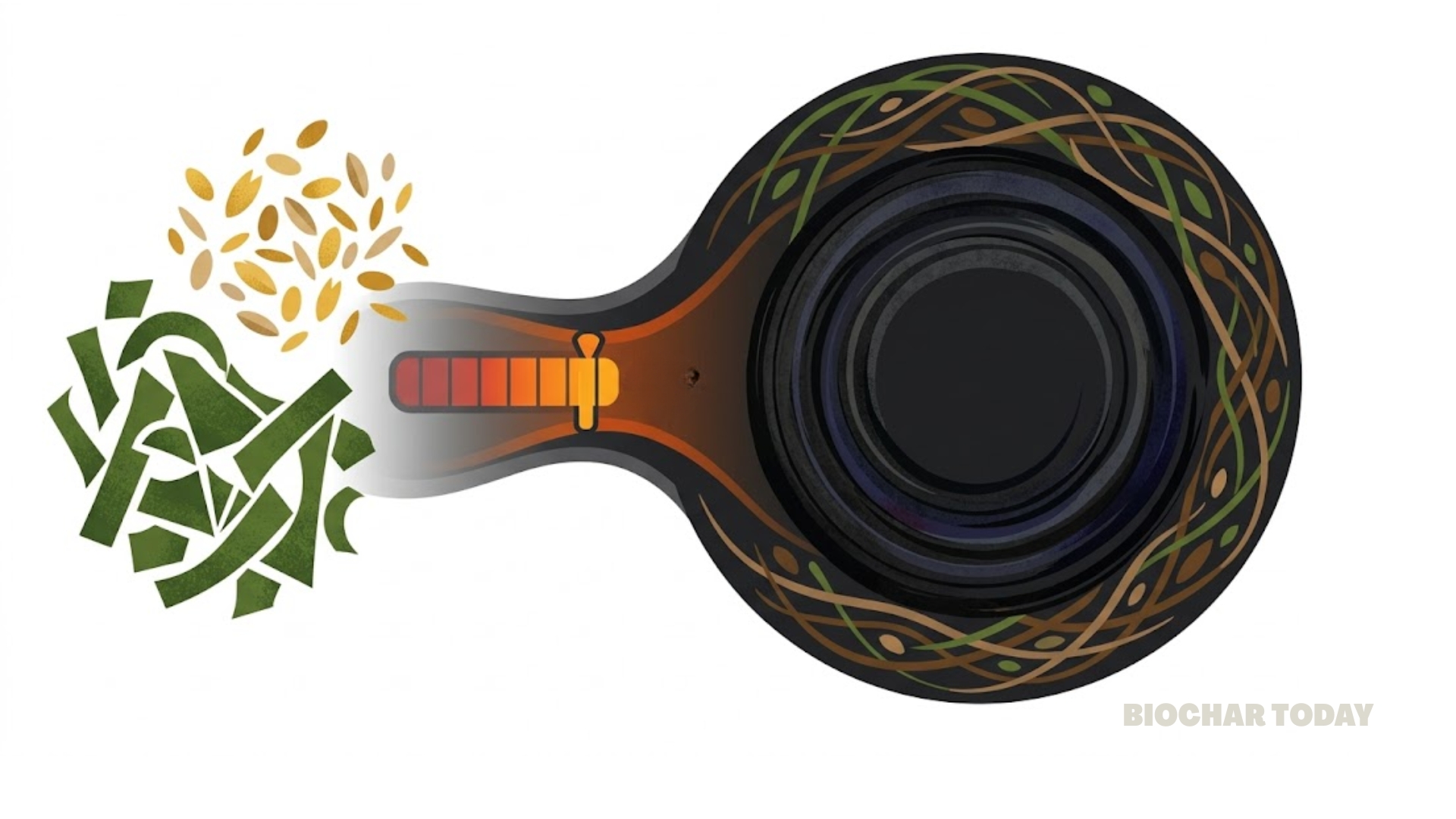
In a recent publication in Thermal Science and Engineering Progress, researchers B. Kalidasan, A.K. Pandey, Imansyah Ibnu Hakim, Nandy Setiadi Djaya Putra, Muhammad Naufal Faris Herviadi, Tan Kim Han, and R. Saidur explored a sustainable way to improve thermal energy storage. They focused on octadecane, a common phase change material used for regulating temperatures, which typically suffers from poor heat conduction and low sunlight absorption. By introducing biochar synthesized from longan fruit shells—an agricultural waste product common in Southeast Asia—the team successfully engineered a composite material that addresses these fundamental limitations. This advancement is particularly relevant for low-temperature thermal regulation in solar energy harvesting and green building design.
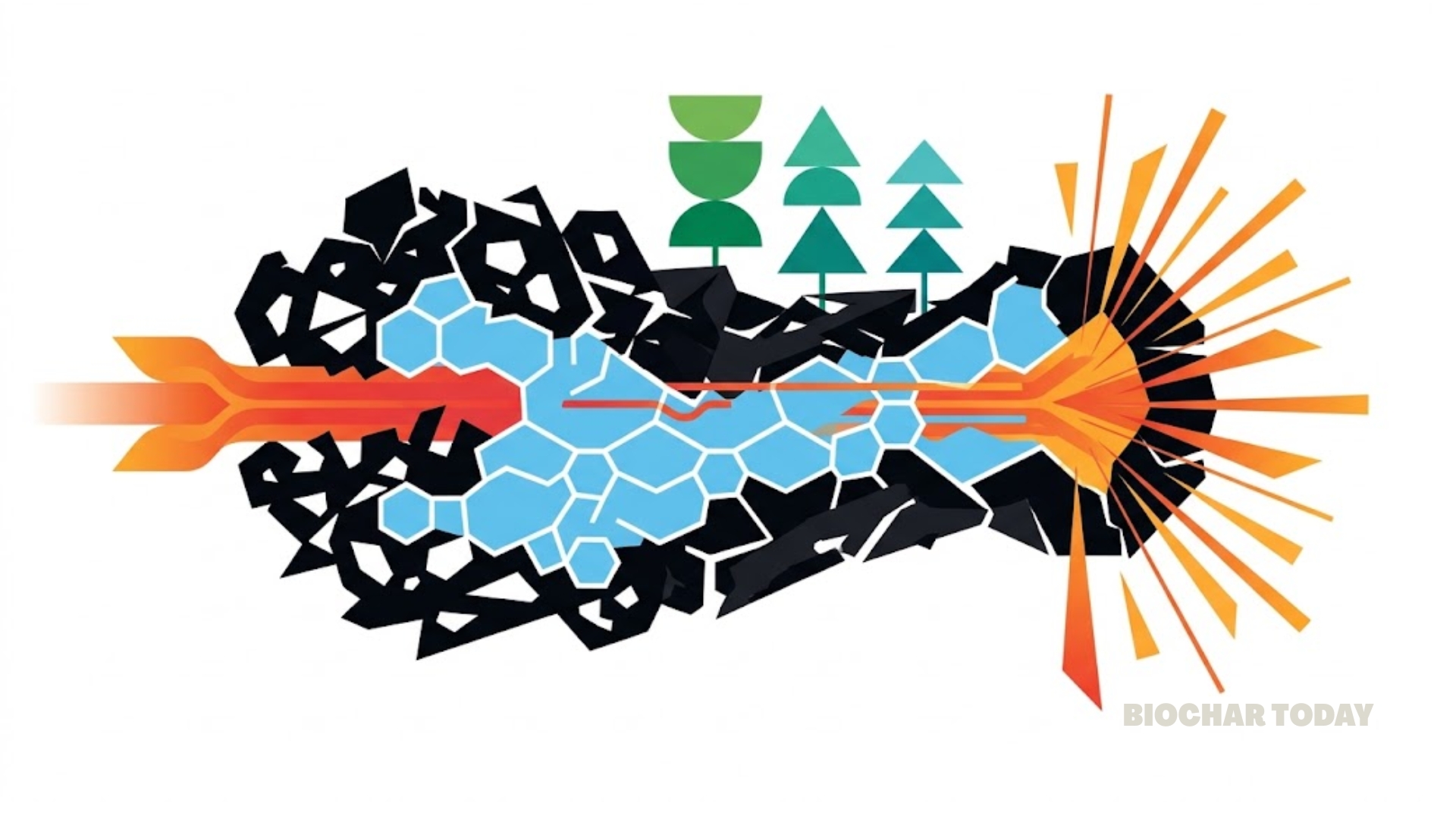
The research findings demonstrate that longan shell biochar acts as an exceptional thermal “energizer” due to its unique physical structure. Microscopic analysis revealed that the biochar consists of layered, 2D sheet-like flakes with a sponge-like texture full of tiny pores. This high porosityPorosity of biochar is a key factor in its effectiveness as a soil amendment and its ability to retain water and nutrients. Biochar’s porosity is influenced by feedstock type and pyrolysis temperature, and it plays a crucial role in microbial activity and overall soil health. Biochar More, with a surface area exceeding 121 square meters per gram, allows the liquid octadecane to penetrate deep into the material. The result is a more robust internal network that facilitates faster heat movement throughout the mixture. Quantitative tests showed that the most effective version of the composite, containing just 1.2 percent biochar by weight, nearly doubled the material’s thermal conductivity compared to pure octadecane. Specifically, conductivity rose from 0.142 to 0.281 Watts per meter-Kelvin.
Beyond just moving heat faster, the biochar-infused composite showed a dramatic improvement in its ability to interact with light. Pure octadecane is naturally transparent and waxy, meaning it allows most solar radiation to pass through rather than absorbing it. The addition of the carbon-rich biochar changed the material’s optical absorbance from a low value of 0.212 to a much higher 0.735, representing a surge of 246.7 percent. This change is caused by the way the dark, irregular biochar particles scatter and trap light rays within the material. For solar thermal applications, this means the composite can harness the sun’s energy far more efficiently than standard organic phase change materials.
Crucially, the study found that these performance gains did not come at the expense of energy storage capacity. In many advanced materials, adding fillers reduces the amount of energy the main material can store as it melts. However, the longan shell biochar was so efficient that even with the addition of the filler, the composite maintained a melting enthalpy of 239 Joules per gram, which is nearly identical to the original octadecane. The porous structure of the biochar actually helped stabilize the material, preventing leakage during the melting phase and ensuring that the energy capture and release process remained highly efficient.
The long-term reliability of the new composite was also a major highlight of the findings. The researchers subjected the material to 200 repeated cycles of heating and cooling to see if its properties would degrade over time. The results confirmed that the biochar and octadecane are chemically compatible and do not react with each other in a way that breaks down the material. The composite retained its thermal stability and energy storage potential through extended use, making it a viable candidate for practical, real-world systems like temperature-regulating walls in buildings.
Ultimately, this study highlights the potential of turning agricultural waste into high-tech energy solutions. By replacing expensive and often toxic commercial nanomaterials with sustainable biochar, the researchers have created a cost-effective path toward better thermal management. The use of longan shells provides a scalable, eco-friendly way to boost the performance of energy storage systems, supporting a shift toward more efficient and responsible energy use in everyday life.
Source: Kalidasan, B., Pandey, A. K., Hakim, I. I., Putra, N. S. D., Herviadi, M. N. F., Han, T. K., & Saidur, R. (2026). Evaluation of sustainable longan shell biochar energized commercial organic phase change material for low temperature thermal regulation. Thermal Science and Engineering Progress.

Leave a Reply