
The Integrity Council for the Voluntary Carbon Market (ICVCM) recently expanded its framework of scientifically robust carbon crediting rules by approving methodologies from Isometric, Gold Standard, and ACR under the Core Carbon Principles (CCPs). This move signals a significant global shift toward higher quality and transparency in carbon accounting. Among the newly endorsed protocols are Isometric’s Reforestation Protocol, Gold Standard’s rice cultivation methane-avoidance methodology, and ACR’s Improved Forest Management (IFM) for non-federal U.S. forestlands. These approvals aim to bolster the credibility of voluntary carbon markets by ensuring that credits carry demonstrable and verifiable environmental value.
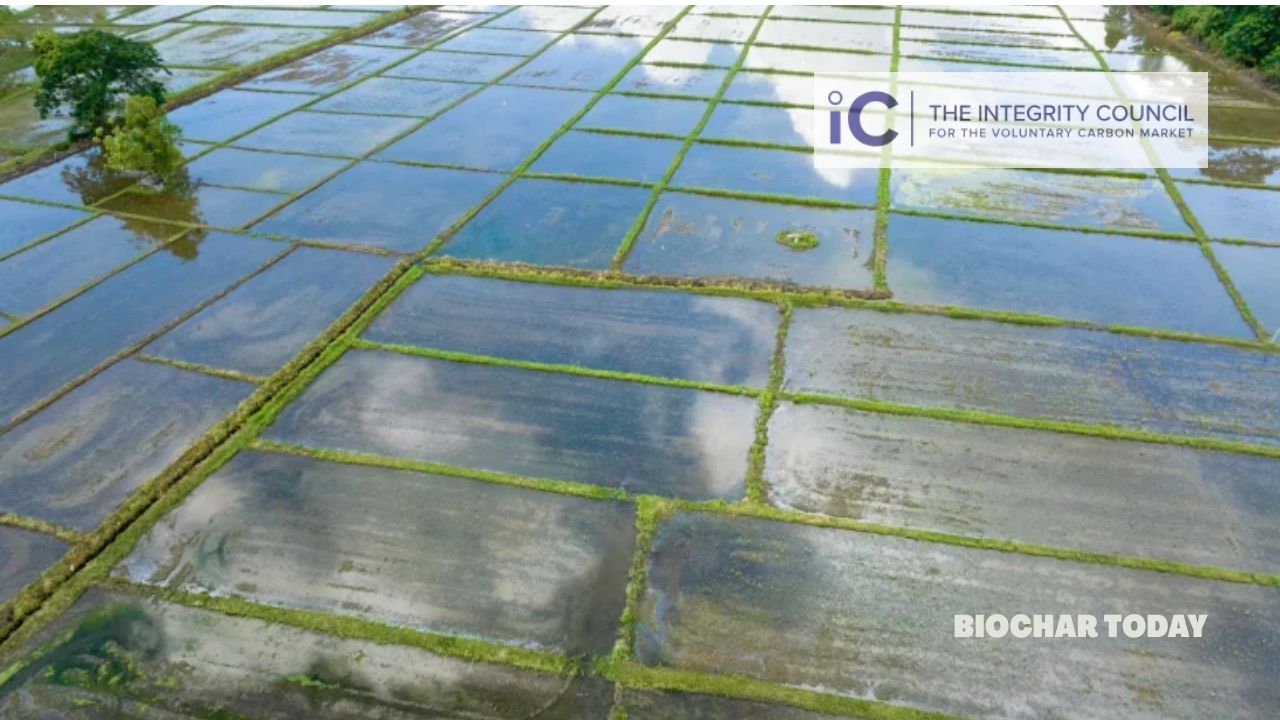
A major challenge addressed by these new approvals is the historical lack of standardized, high-integrity criteria for quantifying carbon removals and avoidance. This inconsistency has led to skepticism regarding the actual climate impact of various carbon offset projects. For instance, rice cultivation remains a significant source of global methane emissions, yet scientifically rigorous methods for verifying reductions in this sector have been scarce. Similarly, forestry projects have often struggled to provide transparent baseline assessments or adequately account for leakage—situations where carbon storage in one area leads to increased emissions elsewhere—undermining the overall effectiveness of the market.
To resolve these issues, the ICVCM implemented a rigorous evaluation process that requires protocols to meet strict Core Carbon Principles. Gold Standard’s rice cultivation methodology was granted conditional approval, requiring project developers to use specific project-level activity penetration to demonstrate additionality. For forest management in the United States, ACR must now ensure that projects apply appropriate leakage deductions even when reducing total wood product output by small margins. Isometric’s Reforestation Protocol version 1.1 received full approval, providing a standardized framework to quantify removals from restoring previously forested lands with high scientific accuracy.
The primary outcome of these actions is the projected issuance of millions of high-integrity carbon credits by 2030, attracting buyers who seek verifiable climate impact. Isometric already anticipates millions of credits annually, while Gold Standard expects to issue up to 3.2 million credits over the next five years, primarily from projects in India and Southeast Asia. These CCP-labeled credits provide a clear signal of quality to the global market. By establishing these rigorous governance and scientific safeguards, the ICVCM has created a pathway for scaling meaningful carbon removal and avoidance activities across the agricultural and forestry sectors.




Leave a Reply