
In a recent update, biocharBiochar is a carbon-rich material created from biomass decomposition in low-oxygen conditions. It has important applications in environmental remediation, soil improvement, agriculture, carbon sequestration, energy storage, and sustainable materials, promoting efficiency and reducing waste in various contexts while addressing climate change challenges. More expert Kelpie Wilson shared insights from her “Practical Biochar” course, highlighting how biochar can be leveraged not only for ecological benefit but also for long-term financial gain—particularly in farmland investment.
Wilson notes that while small-scale biochar businesses are emerging through services like on-site waste-to-biochar conversion for landowners, larger investments are increasingly flowing into farmland. Investment firms have significantly expanded their farmland holdings—up 231% since 2008—attracted by its resilience to inflation and projected food demand growth.
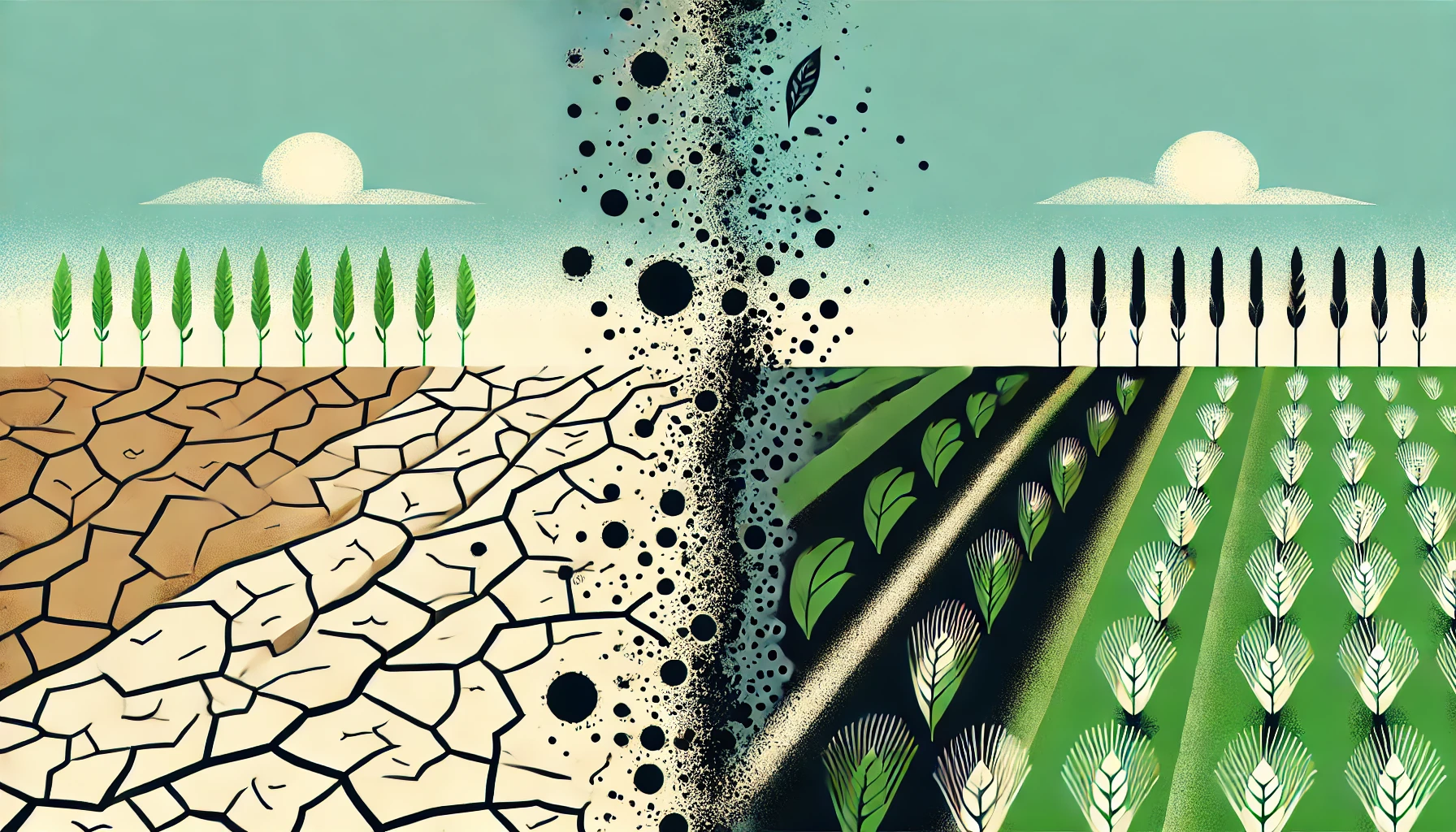
However, Wilson cautions that much of this land is in decline. In the U.S. Corn Belt, erosion has stripped over a third of farmland of carbon-rich topsoil, resulting in crop losses and reduced land value. In California’s San Joaquin Valley, salt accumulation, water scarcity, and rising electricity costs are further degrading land quality.
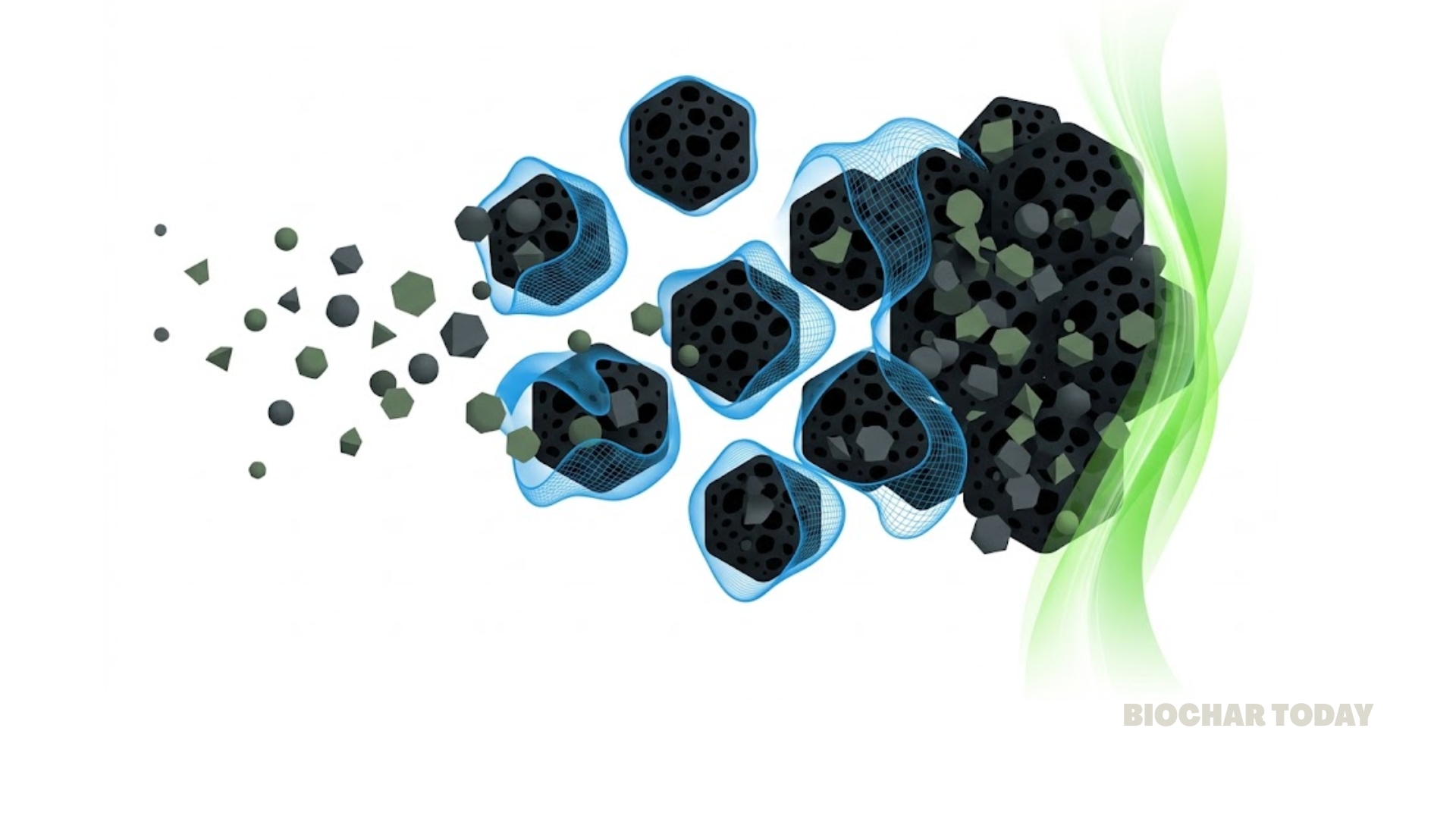
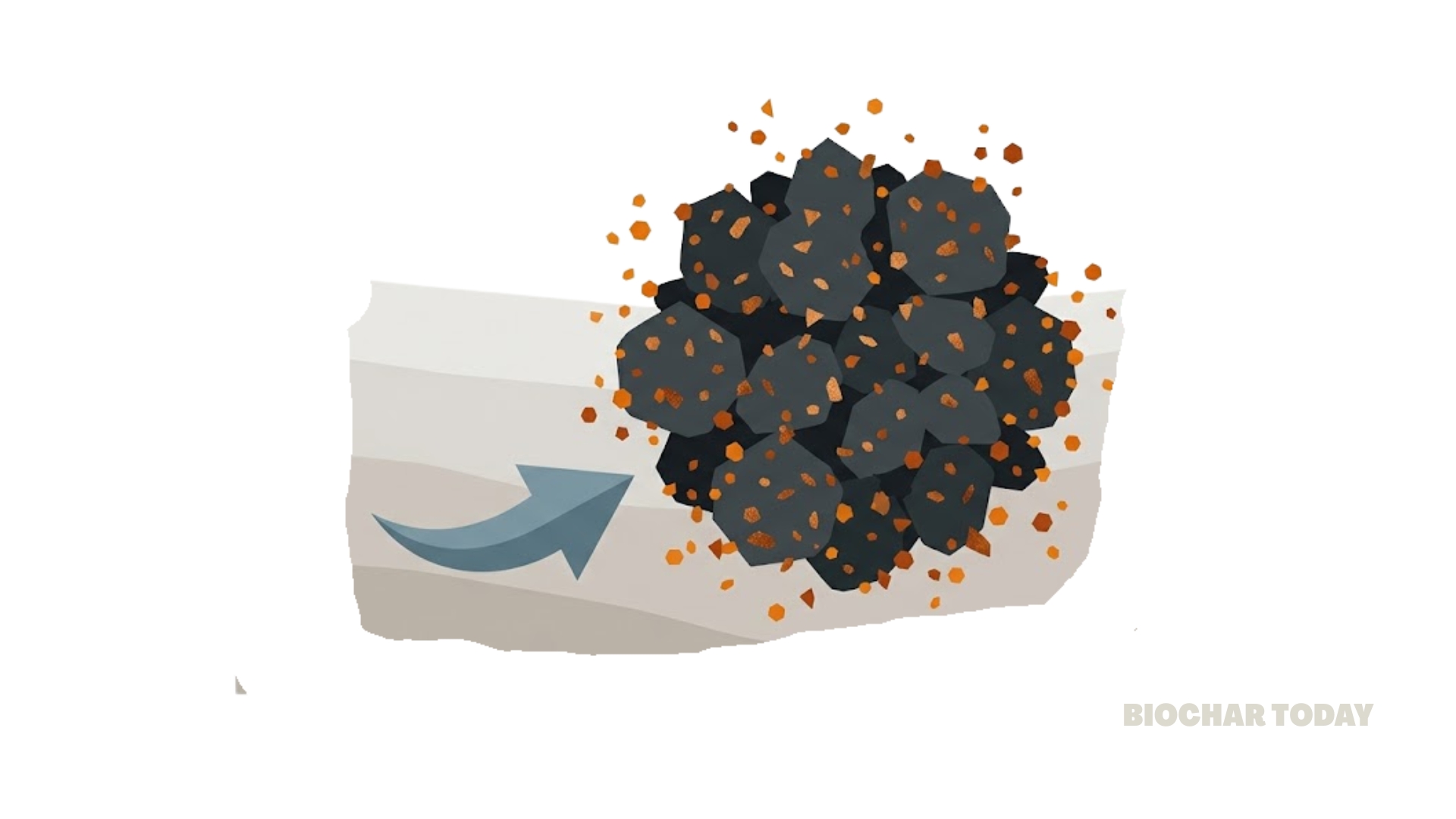
Despite these challenges, Wilson argues that biochar offers a practical solution. In case studies, biochar has been shown to improve soil structure, enhance salt leachingLeaching is the process where nutrients are dissolved and carried away from the soil by water. This can lead to nutrient depletion and environmental pollution. Biochar can help reduce leaching by improving nutrient retention in the soil. More, reduce water needs, and increase yields—factors that can enhance land value. She positions biochar as a long-term infrastructure investment rather than a recurring input.
Some California vineyards are already adopting this model, converting pruning waste into biochar for in-field use. With biochar production on the rise in the state, Wilson suggests that restoring degraded land with biochar presents a viable and potentially profitable strategy for investors and land stewards alike.
Read the full article and subscribe to Kelpie’s Biochar Prepper substack HERE.


Leave a Reply