
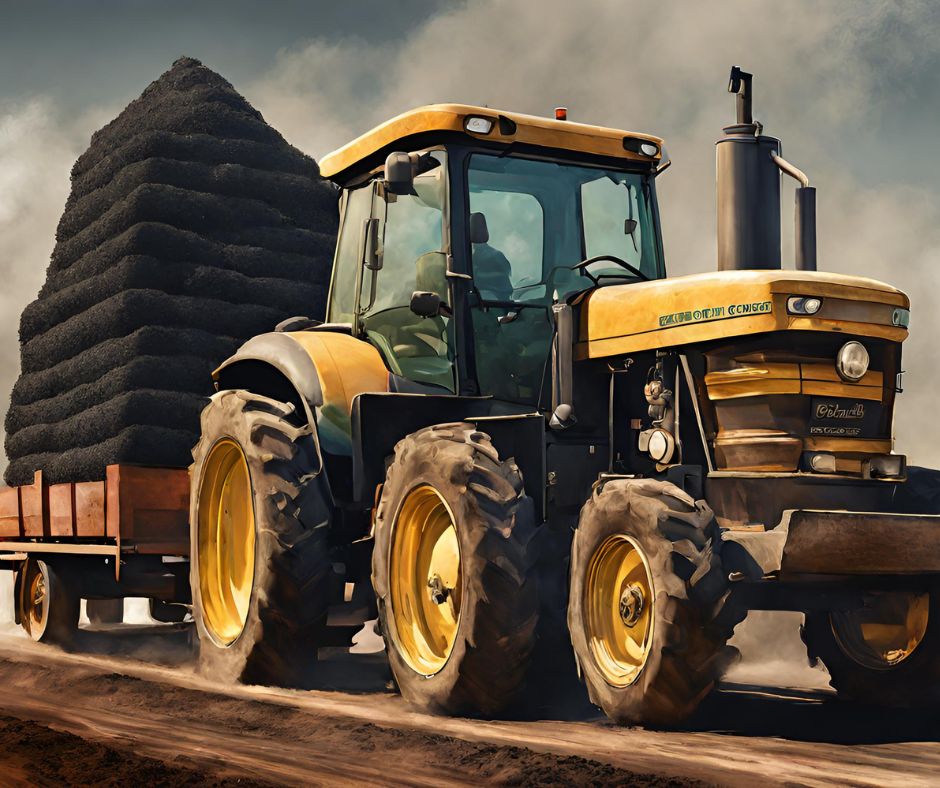
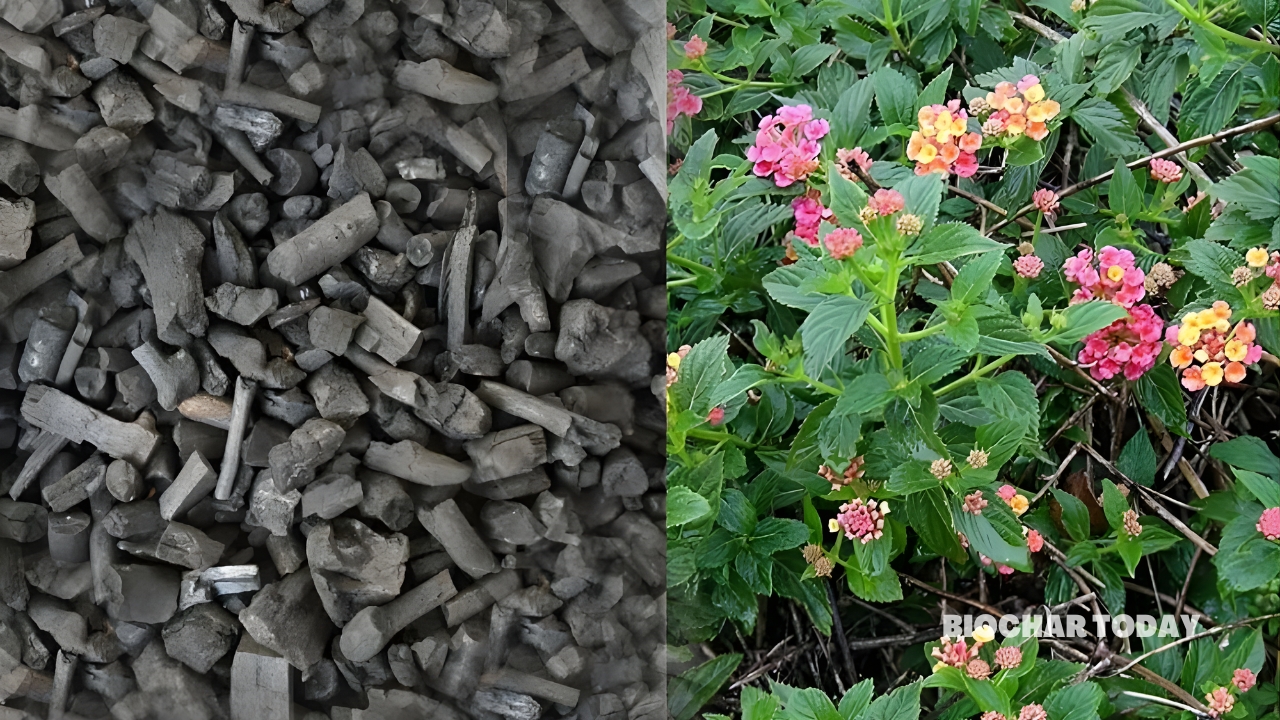
Nestled in the heart of Eastham, Massachusetts, lies a testament to the transformative power of soil. Bob Wells, a local farmer, has revitalized his land and boosted his yields, drawing inspiration from an unlikely source: the Amazon rainforest. His secret weapon? BiocharBiochar is a carbon-rich material created from biomass decomposition in low-oxygen conditions. It has important applications in environmental remediation, soil improvement, agriculture, carbon sequestration, energy storage, and sustainable materials, promoting efficiency and reducing waste in various contexts while addressing climate change challenges. More, a charcoal-like substance with the remarkable ability to enrich soil and sequester carbon.
Wells’ journey began with a chance encounter with terra pretaTerra preta, meaning “black earth” in Portuguese, is a type of highly fertile soil found in the Amazon Basin. It is characterized by its high biochar content, which contributes to its long-term fertility and ability to support productive agriculture More, a fertile Amazonian soil formed over millennia from charcoalCharcoal is a black, brittle, and porous material produced by heating wood or other organic substances in a low-oxygen environment. It is primarily used as a fuel source for cooking and heating. More, manure, and other organic matter. Intrigued by its potential, Wells embarked on a mission to replicate this natural wonder on his own land. He experimented with creating biochar from locally sourced wood and began incorporating it into his soil.
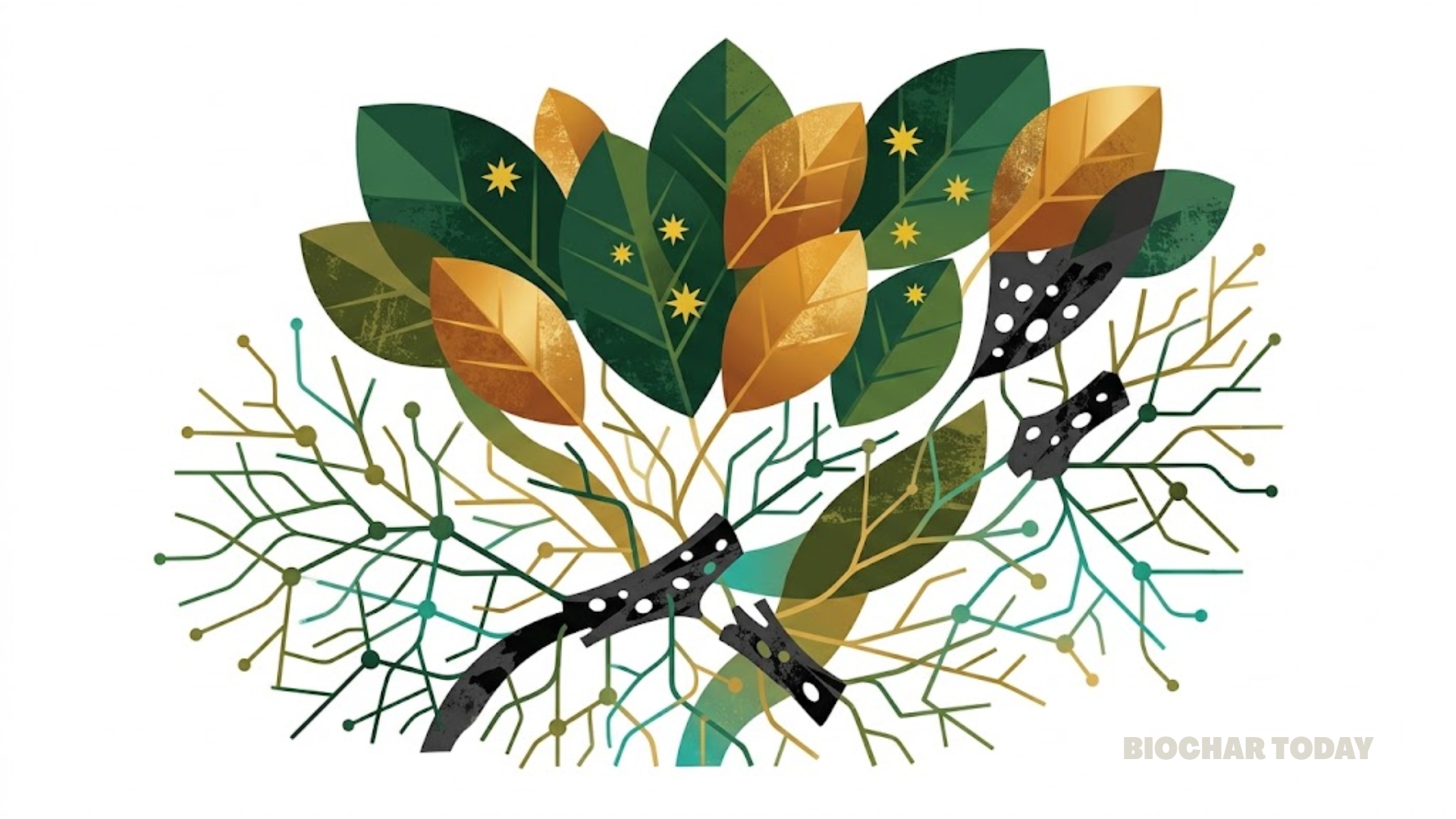
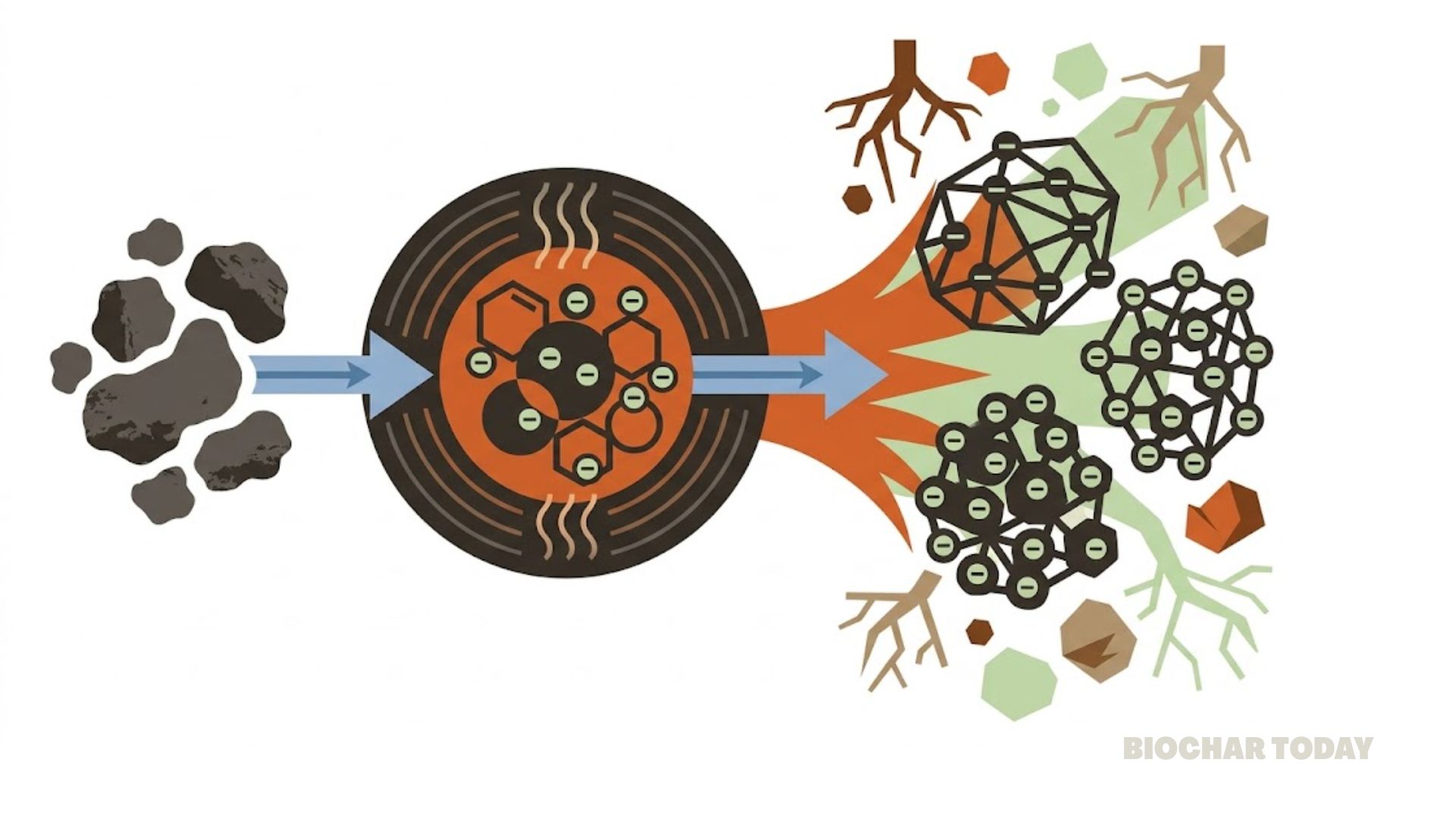
The results were nothing short of astonishing. Wells’ turnips, once struggling to reach meager sizes, doubled in diameter. His soil, previously barren and lifeless, teemed with newfound vitality. Biochar’s magic lies in its unique properties. Its porous structure provides a haven for beneficial microbes, while its ability to retain moisture and nutrients nourishes plants and reduces the need for chemical fertilizers.
But biochar’s benefits extend far beyond the farm. Its production process captures carbon dioxide from the atmosphere, locking it away in the soil for centuries. This makes biochar a powerful tool in the fight against climate change, offering a sustainable alternative to traditional charcoal production, which releases significant amounts of carbon.
Recognizing the potential of biochar to revolutionize agriculture and combat climate change, Wells founded New England Biochar. His company educates farmers on the benefits of biochar and provides them with the tools and resources needed to create their own. Through workshops and demonstrations, Wells is empowering a new generation of soil stewards, one biochar-infused patch at a time.
The story of Bob Wells and his biochar revolution is a testament to the power of innovation and environmental stewardship. It’s a story that whispers of hope, reminding us that even the smallest actions can have a profound impact on the health of our planet. As Wells himself says, “Biochar is not just about growing food; it’s about growing a better future.”
SOURCE: https://www.capeandislands.org/in-this-place/2024-01-04/soil-building-inspiration-from-the-amazon


Leave a Reply