
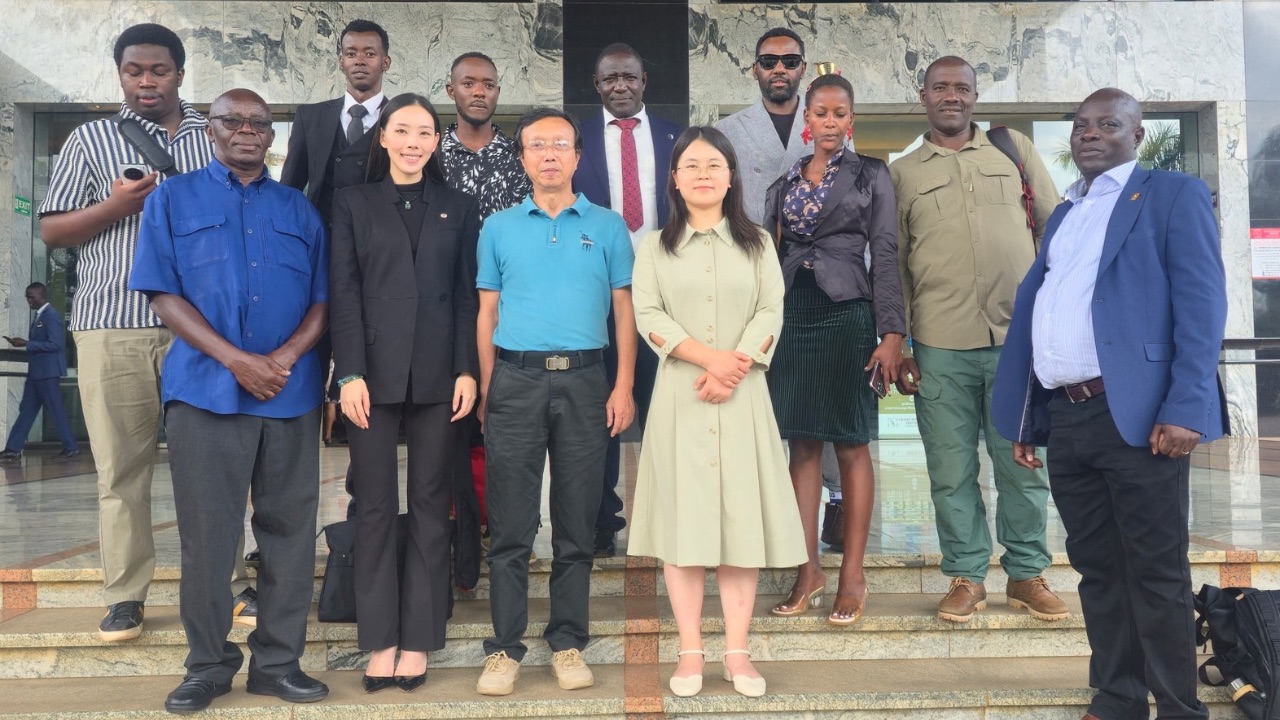
Global BiocharBiochar is a carbon-rich material created from biomass decomposition in low-oxygen conditions. It has important applications in environmental remediation, soil improvement, agriculture, carbon sequestration, energy storage, and sustainable materials, promoting efficiency and reducing waste in various contexts while addressing climate change challenges. More Services (GBS) and African Biochar Solutions (ABS) have announced the launch of Uganda’s first industrial-scale biochar carbon removal (BCR) and biochar-based fertilizer production project. Located in Jinja, this initiative marks a transition for the Ugandan agricultural sector, moving from traditional waste disposal toward a circular economy model. The facility processes agricultural residues into stable carbon and high-value soil amendments, integrating carbon sequestration with commercial fertilizer manufacturing to serve regional needs.
Uganda faces significant challenges regarding soil exhaustion and the environmental impact of agricultural waste. Traditional farming practices have depleted soil nutrients, leading to stagnant crop yields and increased vulnerability to climate variability. Furthermore, the massive volume of agricultural byproducts—such as coffee husks and maize cobs—often remains underutilized or is burned openly. These disposal methods contribute to localized pollution and greenhouse gas emissions. Addressing these issues requires a scalable method to restore soil fertility while simultaneously mitigating carbon emissions.
The solution employs GBS’s industrial pyrolysisPyrolysis is a thermochemical process that converts waste biomass into bio-char, bio-oil, and pyro-gas. It offers significant advantages in waste valorization, turning low-value materials into economically valuable resources. Its versatility allows for tailored products based on operational conditions, presenting itself as a cost-effective and efficient More technology to convert organic waste into high-quality biochar. This biochar is then processed into specialized fertilizers designed for the East African market. By situating the project in Jinja, ABS utilizes existing agricultural supply chains to source feedstockFeedstock refers to the raw organic material used to produce biochar. This can include a wide range of materials, such as wood chips, agricultural residues, and animal manure. More efficiently. The technical framework emphasizes precision pyrolysis, ensuring the resulting biochar meets international standards for carbon stability. This allows the project to monetize carbon removal through BCR certificates, providing a secondary revenue stream that supports the operation’s financial viability.
This facility produces several measurable outcomes, including the generation of carbon removal certificates and the manufacture of biochar-enriched fertilizers for local farmers. Economic benefits include direct job creation and the development of a localized biochar value chain. From an environmental perspective, the project sequesters thousands of tons of carbon dioxide equivalent annually. These results demonstrate a pathway for integrating industrial technology into the Ugandan agricultural landscape to enhance food security and promote sustainable land management.





Leave a Reply