
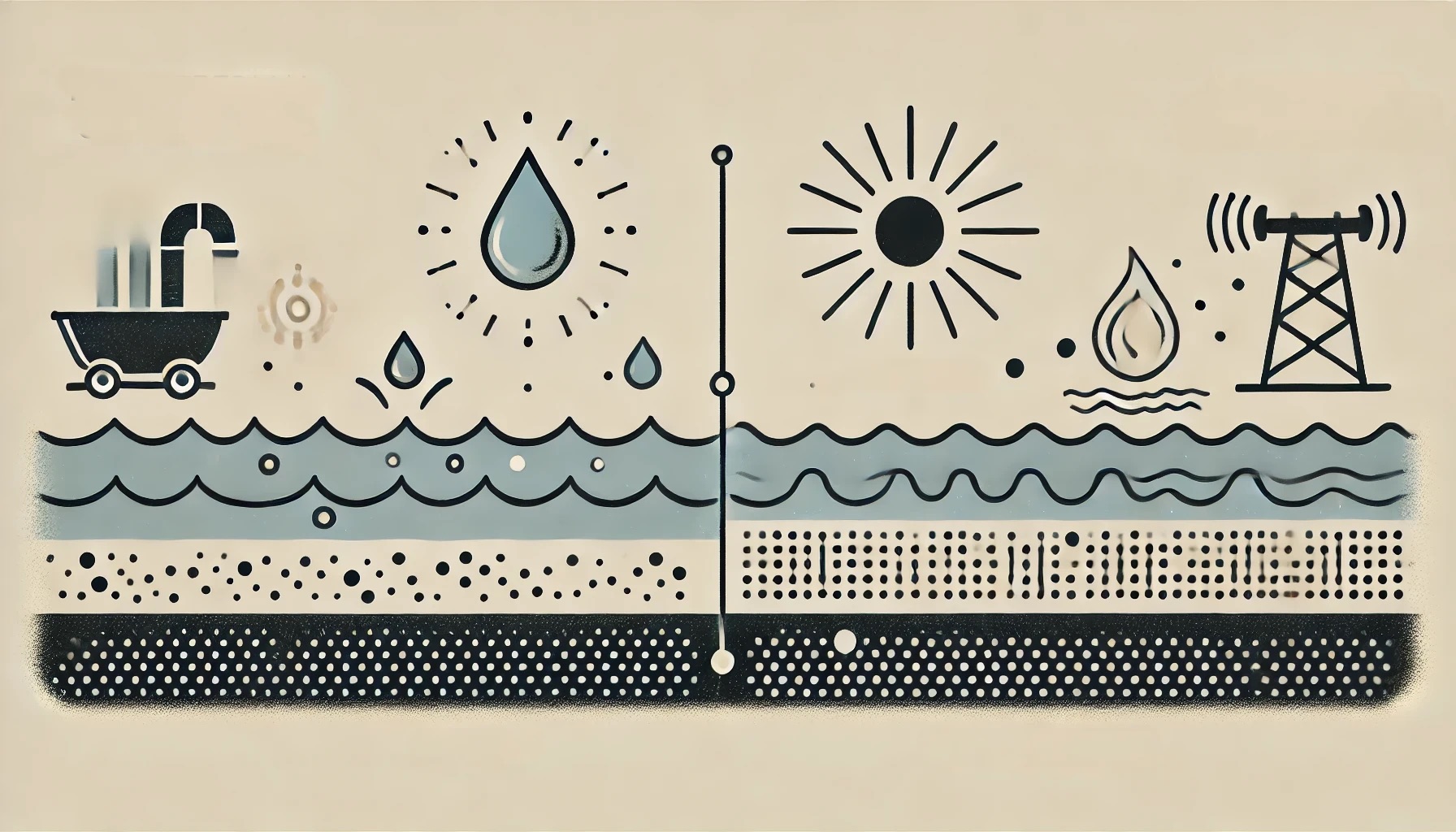
A recent life cycle assessment (LCA) published in Cleaner Environmental Systems compared pyrolysisPyrolysis is a thermochemical process that converts waste biomass into bio-char, bio-oil, and pyro-gas. It offers significant advantages in waste valorization, turning low-value materials into economically valuable resources. Its versatility allows for tailored products based on operational conditions, presenting itself as a cost-effective and efficient More and hydrothermal carbonization (HTC) for converting sewage sludge into biocharBiochar is a carbon-rich material created from biomass decomposition in low-oxygen conditions. It has important applications in environmental remediation, soil improvement, agriculture, carbon sequestration, energy storage, and sustainable materials, promoting efficiency and reducing waste in various contexts while addressing climate change challenges. More and hydrochar, focusing on environmental impacts. The study from Gievers, et al highlights key benefits and trade-offs of these technologies versus conventional sludge incineration.
Key Findings:
- Energy Efficiency: HTC consumes less energy than pyrolysis due to its ability to process wet sludge directly, avoiding the need for energy-intensive drying.
- Global Warming Potential (GWP): Hydrochar application for energy purposes achieves the most significant GWP reduction, particularly when substituting fossil fuels. Pyrolysis biochar also contributes positively but has a slightly higher environmental impact.
- Toxicity Concerns: Hydrochar used in agriculture showed higher toxicity potential due to retained organic pollutants. Pyrolysis, with its higher processing temperatures, effectively eliminates such contaminants, making its biochar safer for soil use.
- Nutrient Recycling: Both methods enable nutrient recovery, particularly phosphorus, reducing reliance on chemical fertilizers.
HTC shows advantages in lower emissions and higher char yields, making it a viable alternative for sludge management. However, agricultural use of hydrochar raises toxicity risks that need mitigation, such as combined HTC and pyrolysis processes.
The study concludes that tailored applications of biochar and hydrochar can support circular economy goals by reducing waste, recycling nutrients, and mitigating emissions. Adoption requires addressing legislative barriers and ensuring consistent pollutant monitoring.
SOURCE: Gievers, et al (2024) Life cycle assessment of biochar and hydrochar derived from sewage sludge: Material or energy utilization? Cleaner Environmental Systems. https://doi.org/10.1016/j.cesys.2024.100254


Leave a Reply