

Key Takeaways
- Turning agricultural leftovers like maize stalks and olive stones into biocharBiochar is a carbon-rich material created from biomass decomposition in low-oxygen conditions. It has important applications in environmental remediation, soil improvement, agriculture, carbon sequestration, energy storage, and sustainable materials, promoting efficiency and reducing waste in various contexts while addressing climate change challenges. More significantly improves the fertility of different Egyptian soil types.
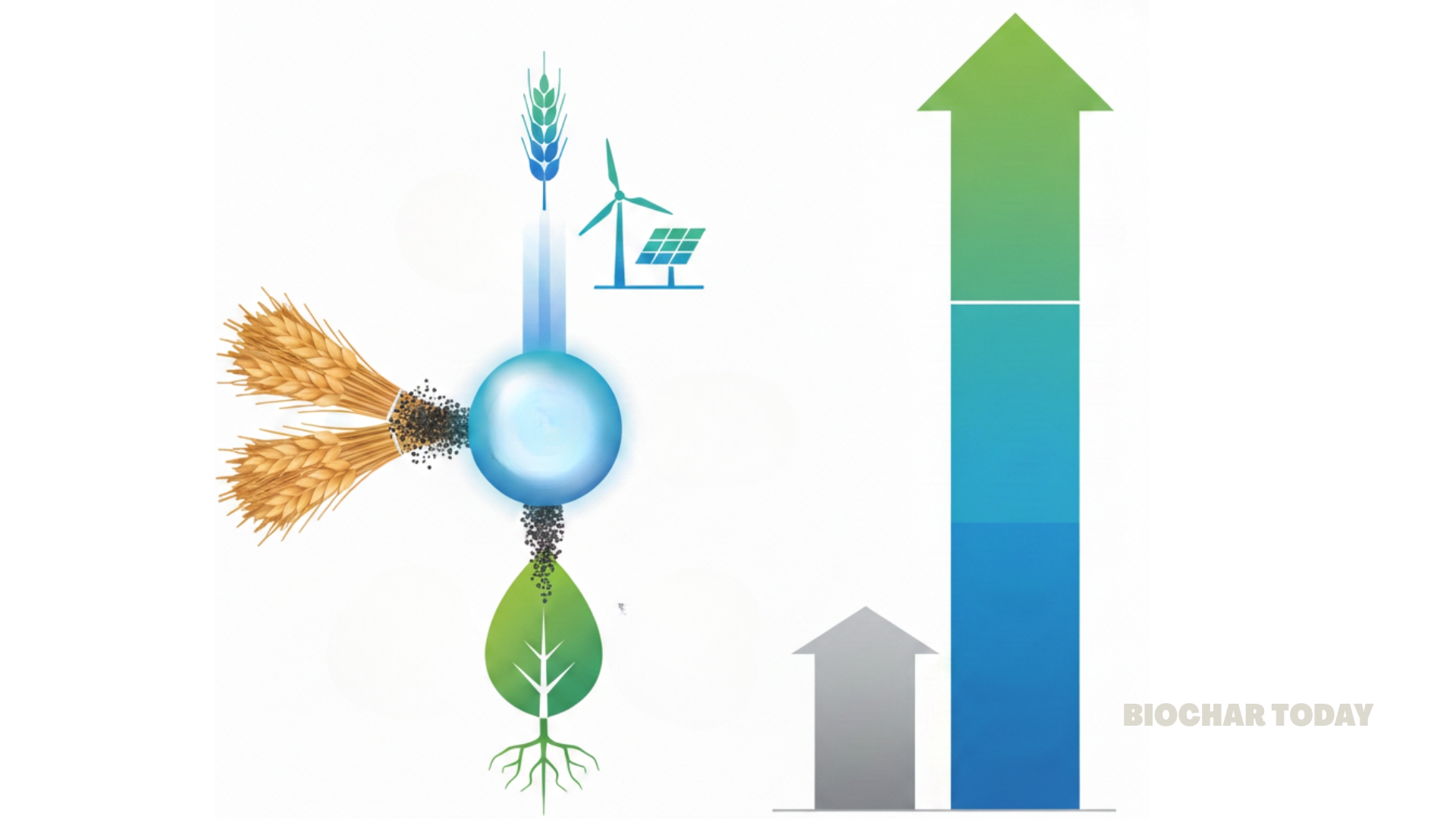
- Adding these biochars to the soil helps plants grow much better, increasing the total weight of wheat crops by more than half in some cases.
- Biochar acts like a nutrient sponge, holding onto essential minerals like potassium and releasing them slowly so plants can use them more effectively.
- This natural approach can help farmers use less expensive chemical fertilizers while also safely recycling farm waste that might otherwise be burned.
In a detailed investigation published in the journal Scientific Reports, researcher Muhammad Ayman explored how biochar produced from common Egyptian agricultural residues can transform soil productivity. The research focused on four distinct types of waste: sugarcane bagasse, olive stone pomace, orange fruit pomace, and maize stover. By converting these materials into carbon-rich biochar, the study demonstrated a powerful method for addressing nutrient deficiencies, particularly potassium, which is often lacking in the arid and semi-arid conditions of Egypt. The findings reveal that biochar does not just add nutrients to the soil but fundamentally changes how the soil behaves, making it a more hospitable environment for vital food crops like wheat.
One of the most striking results of the study was the dramatic improvement in the physical and chemical health of the soil. When biochar was added, the soil’s ability to hold onto water increased by as much as 35.5 percent, a crucial benefit for farming in dry regions. Even more impressive was the impact on the soil’s cation exchange capacity, which measures how well the soil can store and swap nutrients with plant roots. In some calcareous soils, this capacity improved by a staggering 163 percent. These changes mean that instead of nutrients washing away or becoming trapped in the soil where plants cannot reach them, they remain available for the crop throughout the growing season.
The research delved deep into the complex dynamics of potassium, a key nutrient for plant strength and stress resistance. The study found that biochar application made the exchange of potassium between the soil and plant roots significantly more efficient. The potential buffering capacity, which represents the soil’s ability to maintain a steady supply of potassium as plants consume it, saw massive gains. For instance, using olive stone biochar in calcareous soils increased this buffering power by more than 421 percent. Essentially, the biochar creates a reservoir of nutrients that replenishes the soil solution automatically, ensuring that wheat plants never face a sudden shortage of the minerals they need to thrive.
The ultimate proof of these soil improvements was seen in the wheat plants themselves. Across all soil types, from sandy to clayey, the wheat grown with biochar was significantly larger and healthier than wheat grown in untreated soil. In sandy conditions, which are typically very poor in nutrients, the fresh weight of the wheat increased by 84.6 percent when treated with olive stone biochar. Dry weight also saw substantial gains, rising by nearly 64 percent. This growth was fueled by a massive increase in nutrient uptake, with plants absorbing much higher levels of nitrogen, phosphorus, and potassium. In some clay soils, the amount of potassium taken up by the wheat tissues increased by more than 137 percent compared to the control group.
Beyond just growing bigger plants, the study highlighted that different biochars work better in different environments. Maize stover biochar emerged as a versatile powerhouse, showing the most consistent performance across various soil textures due to its high surface area and rich nutrient content. Meanwhile, olive stone biochar proved to be exceptionally effective in sandy soils. This suggests that farmers can tailor their choice of biochar to their specific field conditions to get the best possible results. By matching the right agricultural waste product to the right soil type, agriculturalists can optimize nutrient use and maximize their harvests.
The environmental implications of this research are just as significant as the agricultural gains. Egypt generates vast quantities of agricultural residues that are often burned in open fields, causing air pollution and releasing greenhouse gases. Converting this waste into biochar provides a safe and productive way to recycle these materials back into the earth. Furthermore, because biochar makes the soil’s natural and added nutrients more available to plants, it could significantly reduce the need for costly mineral fertilizers. This move toward more sustainable soil management supports long-term food security while protecting the fragile desert environment from the negative impacts of excessive chemical use.
Source: Ayman, M. (2026). Enhancing potassium availability and dynamics in some Egyptian soils through biochar application. Scientific Reports, 16, 6338.


Leave a Reply