
The East Bay Regional Park District (EBRPD) recently announced the completion of its three-year Climate Change Impacts Wildland Hazardous Fuels Reduction Project at Anthony Chabot Regional Park. This project, which tackled 667 acres of land, is a significant effort to reduce fire intensity and prevent catastrophic wildfires in the region.
The initiative was spurred by an emergency declaration following a sudden and extensive tree die-off observed in the fall of 2020. Attributed to extreme drought and climate change, in some areas, up to half the trees were dead or dying, creating a severe fire hazard. Dead standing trees—especially notoriously flammable species like eucalyptus—burn hotter, faster, and can significantly increase the distance embers are cast, escalating the risk of out-of-control blazes.
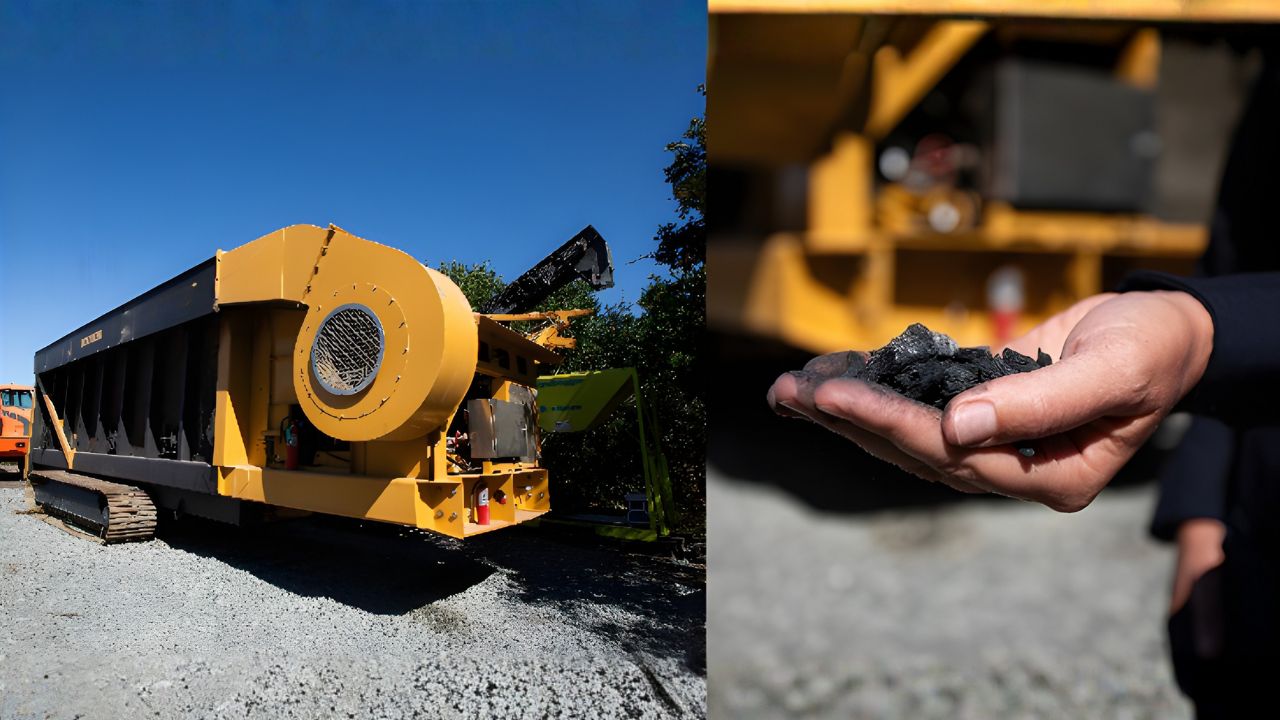
This groundbreaking project, the first of its kind in California, was unique for its large-scale eucalyptus removal combined with a climate-friendly method for debris disposal. The Park District utilized a carbonizer for biomassBiomass is a complex biological organic or non-organic solid product derived from living or recently living organism and available naturally. Various types of wastes such as animal manure, waste paper, sludge and many industrial wastes are also treated as biomass because like natural biomass these More removal, which produces low emissions and yields biocharBiochar is a carbon-rich material created from biomass decomposition in low-oxygen conditions. It has important applications in environmental remediation, soil improvement, agriculture, carbon sequestration, energy storage, and sustainable materials, promoting efficiency and reducing waste in various contexts while addressing climate change challenges. More. This carbonizer was first tested in an 80-acre pilot project in 2022 before the initiative expanded to its current scope.
The resulting biochar has been actively used across the Park District to enhance soil health and water retention, demonstrating a cyclical approach to land management where hazardous fuel removal results in a valuable soil amendmentA soil amendment is any material added to the soil to enhance its physical or chemical properties, improving its suitability for plant growth. Biochar is considered a soil amendment as it can improve soil structure, water retention, nutrient availability, and microbial activity. More.
The project was funded through a substantial investment of $12.5 million, combining $7.5 million in state funding, $1.5 million in federal funding, a $1 million grant from the California Coastal Conservancy, and $2.5 million from the Park District itself. This diverse funding underscores the regional and national recognition of the critical need for wildfire mitigation and the protection of natural resources.
The EBRPD, which manages the largest regional park system in the nation, continues its hazardous fuels reduction efforts districtwide, maintaining year-round vegetation management through a dedicated crew, as well as extensive grazing programs.


Leave a Reply