

Key Takeaways
- Returning a combination of maize stover and biocharBiochar is a carbon-rich material created from biomass decomposition in low-oxygen conditions. It has important applications in environmental remediation, soil improvement, agriculture, carbon sequestration, energy storage, and sustainable materials, promoting efficiency and reducing waste in various contexts while addressing climate change challenges. More to the field is the most effective strategy for boosting soil fertility and bacterial diversity.
- Stover biochar significantly increases long-term soil carbon sequestration and retention of vital nutrients like phosphorus and potassium.
- Direct stover return provides an immediate burst of energy for soil microbes, rapidly stimulating the enzymes that break down organic matter.
- While these organic additions promote beneficial bacteria, they generally suppress the richness and diversity of soil fungi.
- Integrated stover management helps prevent soil organic matter loss in Northeast China, supporting national goals for sustainable “Grain Storage in Land”.
The journal Agronomy published a seven-year field study by lead author Tong Wu and a team of researchers examining how different crop residue management strategies impact the meadow brown soil of Northeast China. This region is a critical agricultural zone, yet long-term monoculture farming has led to a significant loss of soil organic carbon. To address this, the researchers compared four methods: removing stover (CK), direct stover return (SD), converting stover to biochar before return (BC), and a combined approach of half-stover and half-biochar (SB). Their goal was to find an optimal balance between the rapid nutrient release of raw plant material and the long-term stabilizing effects of biochar.
The findings revealed that biochar-based strategies are exceptionally effective at improving the chemical “savings account” of the soil. Returning stover as biochar (BC) increased soil organic carbon by 18.32% compared to removing it. Furthermore, the researchers found that biochar significantly enhanced the levels of available potassium and phosphorus. Because biochar is produced through high-temperature pyrolysisPyrolysis is a thermochemical process that converts waste biomass into bio-char, bio-oil, and pyro-gas. It offers significant advantages in waste valorization, turning low-value materials into economically valuable resources. Its versatility allows for tailored products based on operational conditions, presenting itself as a cost-effective and efficient More, it possesses a highly stable aromatic structure that resists decomposition, allowing it to stay in the soil and hold onto nutrients for much longer than raw stover.
In contrast, direct stover return (SD) acted as a powerful short-term stimulant for soil life. This method rapidly increased the activity of key soil enzymes, such as N-acetyl-β-D-glucosaminidase (NAG), which increased by 50.5%. These enzymes are vital indicators of biochemical reaction intensity and microbial vitality. The input of fresh stover provides a large amount of “labile” or easily accessible organic carbon, which triggers the proliferation of copiotrophic bacteria that specialize in rapidly breaking down plant matter and releasing nutrients.
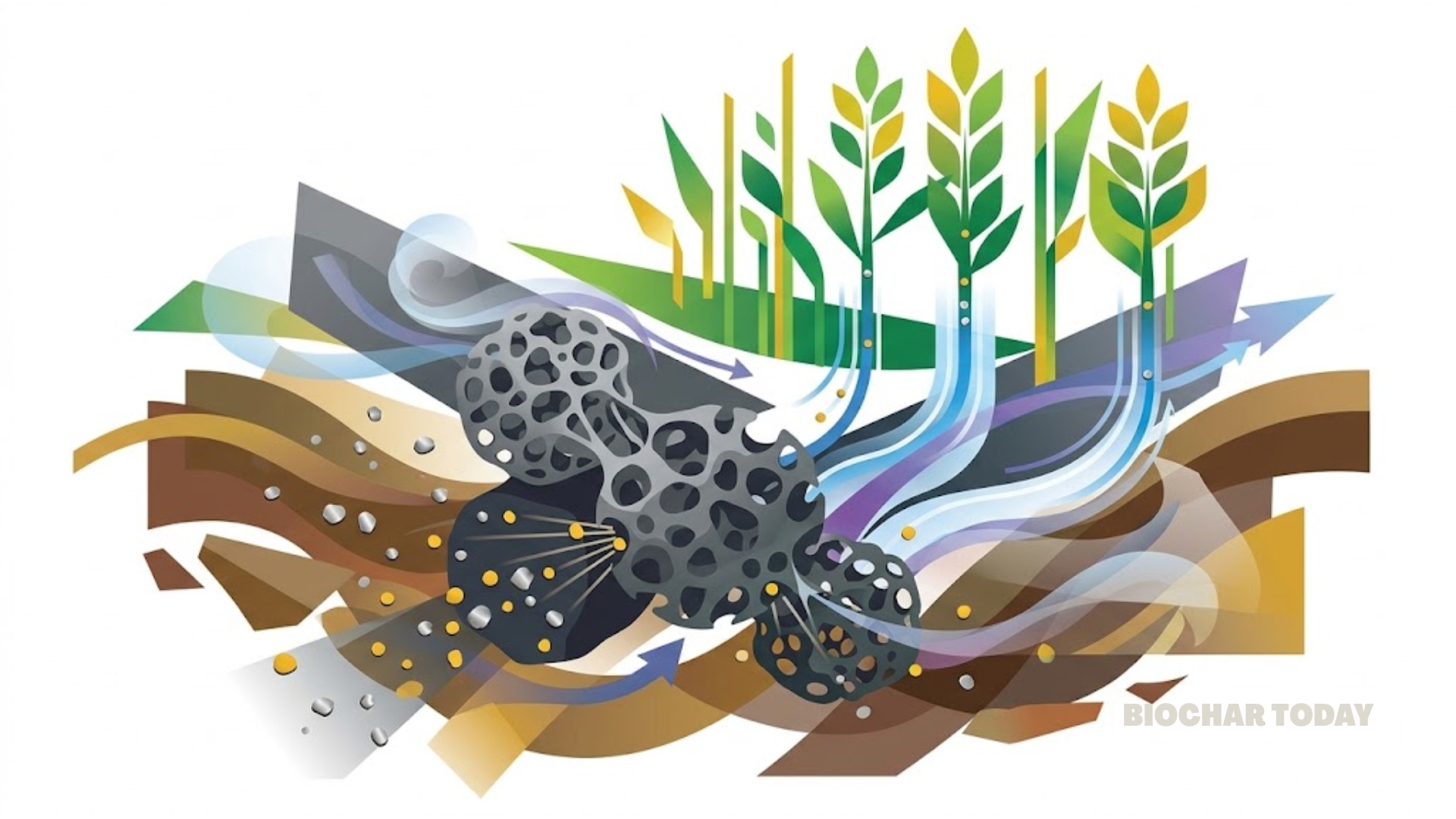
The study highlighted that the “half-and-half” strategy (SB) offered the most balanced benefits across multiple health indicators. This combined approach resulted in the greatest improvements in bacterial richness and diversity. It appears that raw stover serves as the immediate fuel for microbial activity, while the porous structure of biochar provides physical habitats and shelters for these beneficial microbes. This synergy allows for efficient nutrient cycling in the short term while building a stable foundation for long-term soil fertility.
Despite the boost in bacterial diversity, the researchers observed a consistent trend where stover amendments suppressed fungal diversity. Specifically, there was a significant reduction in Glomeromycota, a group that includes fungi that live in symbiosis with plant roots. The scientists suggested that the high availability of carbon from the added stover might make plants less dependent on these fungal partners. This shift in the microbial balance underscores the complexity of soil ecosystems and the need for precision in how organic amendments are applied.
Ultimately, this research provides a scientifically grounded roadmap for managing agricultural waste in a way that protects the atmosphere and restores the land. By recycling stover back into the field—especially as a mixture of raw material and biochar—farmers can effectively sequester carbon and sustain the productivity of the meadow brown soil ecosystem. These results demonstrate that moving away from open burning toward integrated soil management is a vital step for the long-term health of China’s “Grain Storage in Land” initiative.
Source: Wu, T., Wang, S., Zhang, X., Zhang, Y., Li, Y., Wang, Z., Chen, X., Chen, Z., Chen, Z., & Jiang, N. (2025). Effects of Combined Stover and Biochar Return on Soil Organic Matter and Microbial Characteristics. Agronomy, 16(1), 61.


Leave a Reply